



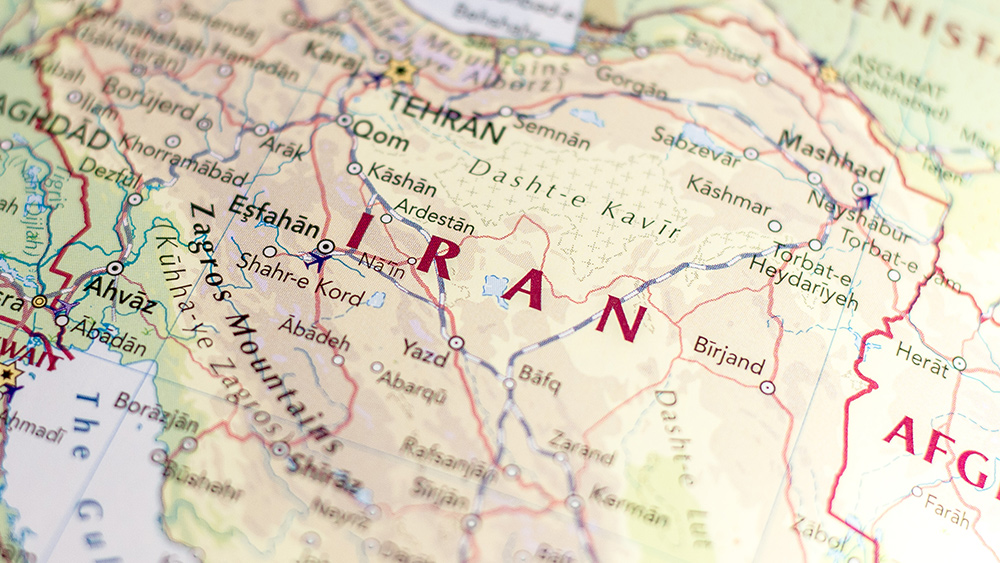
In the high-stakes theater of Middle East diplomacy, the Trump administration has delivered a sweeping 15-point plan to Tehran, a document that reads less like a peace offering and more like a surrender demand. The proposal, transmitted through Pakistani intermediaries, arrives as the United States and Israel continue bombing Iranian facilities under Operation Epic Fury.
The plan, first reported by The New York Times and detailed further by The New York Post, represents the most concrete effort yet to end four weeks of open conflict that has drawn regional powers into a widening spiral. President Trump announced Tuesday that Iran has already agreed to the framework’s central demand, telling reporters the regime “will never have a nuclear weapon. They’ve agreed to that.”
Yet Iranian officials have not publicly confirmed any agreement, and Tehran has reportedly responded with counter-demands that U.S. officials described to The Wall Street Journal as “ridiculous and unrealistic.” The disconnect between Washington’s stated optimism and Tehran’s silence raises a pointed question: Who is actually negotiating, and what exactly has been agreed to?
Key points:
- The U.S. has proposed a 15-point plan to Iran via Pakistan, seeking a month-long ceasefire and comprehensive restrictions on Iran’s nuclear and military programs.
- Fourteen of the ultimatums have been made public.
- President Trump claims Iran has agreed to forgo nuclear weapons, though Tehran has not publicly confirmed this.
- The plan would require dismantling Iran’s nuclear facilities, ending its proxy network, and limiting its missile program.
- In exchange, Iran would receive sanctions relief and U.S. assistance for civilian nuclear energy.
- Iran’s reported counter-demands include U.S. base closures, reparations, and maintaining its ballistic missile program.
- Military operations continue unabated, with the 82nd Airborne Division deploying troops to the region.
A blueprint for disarmament
The 14 disclosed points of the administration’s proposal reveal a document designed to fundamentally reshape Iran’s strategic posture. Point one demands Iran dismantle existing nuclear capabilities. Points two through six systematically strip Tehran of any future nuclear pathway: a binding commitment to forgo nuclear weapons, a prohibition on uranium enrichment on Iranian soil, the handover of all enriched uranium stockpiles to the International Atomic Energy Agency, and the physical dismantlement of the Natanz, Isfahan and Fordo nuclear facilities.
The IAEA would be granted full, unfettered access to Iran’s nuclear infrastructure under point six, a provision that effectively places Iran’s nuclear program under permanent international supervision.
Points seven and eight target what the administration terms Iran’s “regional proxy paradigm,” demanding Tehran cease funding, directing and arming its network of allied militias across the Middle East. For a regime whose regional influence rests almost entirely on these terrorist relationships, this represents a fundamental restructuring of its dark foreign policy identity.
The Strait of Hormuz, through which approximately 20% of global oil trade passes, would be guaranteed open under point nine. Points 10 and 11 would shackle Iran’s missile program, limiting both range and quantity and restricting missile use to self-defense only.
In return, points 12 through 14 offer Iran sanctions relief, U.S. assistance to advance its civilian nuclear program, and the removal of a “snapback” mechanism that would automatically reimpose sanctions for noncompliance.
What remains conspicuously absent from the disclosed list is the 15th point, which neither the Times nor the Post has identified. Whether this missing point represents a final concession, a red line, or simply a detail yet to surface remains unclear.
The war before the peace
The proposal did not emerge from a vacuum. According to multiple outlets, the 15-point framework was presented to Iran last year, before Israel launched its 12-day war against the regime and the United States bombed Iranian nuclear facilities in Operation Midnight Hammer. Those military actions, followed by weeks of sustained strikes, have dramatically altered the strategic landscape in which these negotiations now unfold.
Pakistan’s army chief, Field Marshal Syed Asim Munir, has served as a key interlocutor, reportedly proposing Pakistan as a host for peace talks. Egypt and Turkey are also involved in behind-the-scenes diplomatic efforts, regional leaders maneuvering to shape an outcome that will inevitably redefine power dynamics across the Middle East.
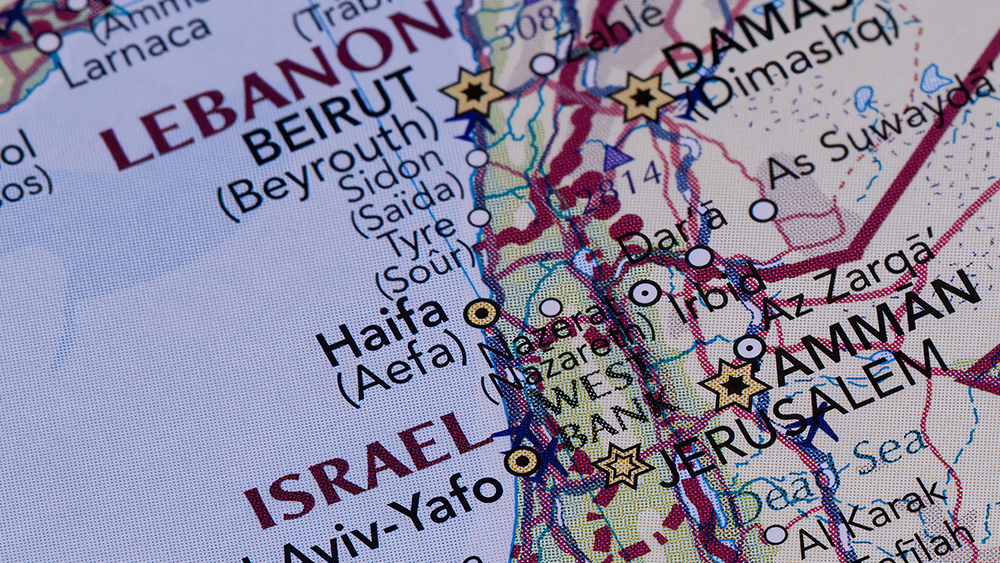
Israel, while not directly involved in the negotiations, was given advance notice before discussions began Sunday, an Israeli official told Channel 12. Whether Jerusalem supports the framework remains unclear, a critical variable given Israel’s military coordination with U.S. forces throughout the conflict.
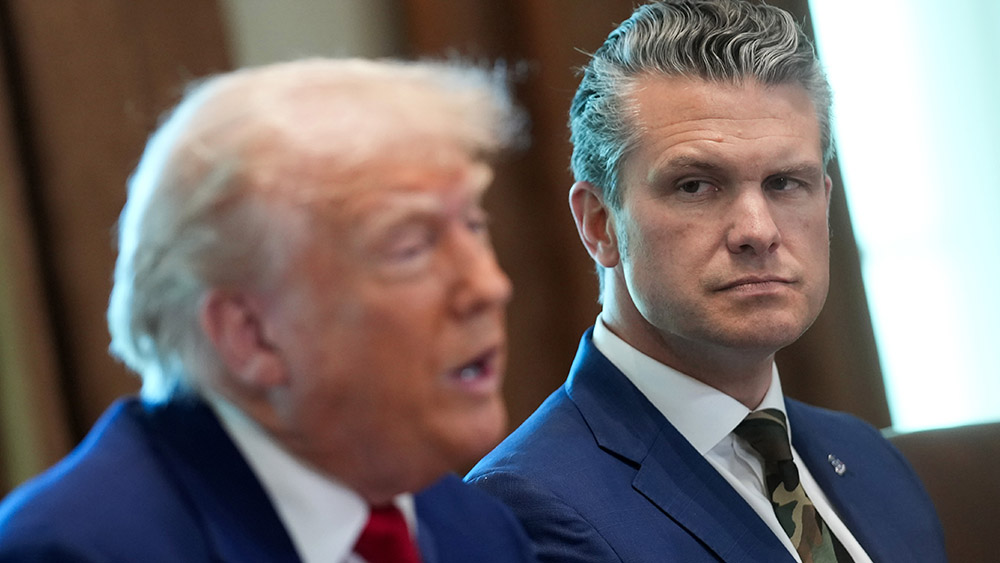
The administration’s negotiating team includes Vice President JD Vance, Secretary of State Marco Rubio, special envoy Steve Witkoff, and presidential adviser Jared Kushner. Trump name-checked these officials Tuesday, emphasizing direct presidential involvement in the diplomatic push.
Yet even as negotiators engage, the Pentagon is preparing for the possibility of a larger conflict. The Department of War is deploying a 3,000-person brigade combat team from the Army’s 82nd Airborne Division to the Middle East, a rapid-response force capable of deploying a full brigade within 72 hours. White House press secretary Karoline Leavitt told The New York Times that Operation Epic Fury “continues unabated to achieve the military objectives laid out by the commander in chief and the Pentagon.”
Competing narratives, unanswered questions
The Iranian regime has reportedly responded with counter-demands that reveal the chasm between the two sides. According to The Wall Street Journal, Tehran is seeking the closure of all U.S. military bases in the Gulf region, reparations for attacks on Iranian territory, the ability to collect fees from ships transiting the Strait of Hormuz, guarantees the war will not restart, an end to Israeli strikes on Hezbollah in Lebanon, and the right to maintain its ballistic missile program without limitation.
A U.S. official described these demands as “ridiculous and unrealistic.” Yet Tehran has not publicly confirmed it is negotiating at all, let alone that it has agreed to any of Trump’s nuclear-related demands. The regime’s public posture of denial maintains plausible deniability while back-channel discussions proceed.
Trump expressed optimism Tuesday, telling reporters Iran was “talking sense” and wanted to make a deal “so badly.” He added, “We’re actually talking to the right people.” Whether those “right people” have the authority to deliver what the 15-point plan demands remains the central question. For a regime built on the revolutionary promise of resistance to American hegemony, accepting terms that dismantle its nuclear program, cripple its missile forces, and dismantle its proxy network would require a transformation of its foundational identity.
The administration’s proposal offers Iran sanctions relief and civilian nuclear assistance. What it does not offer is the one thing Tehran has reportedly demanded: the ability to maintain its strategic deterrent and regional influence.
As the 82nd Airborne deploys and Operation Epic Fury continues, the 15-point plan represents both a potential off-ramp from war and a document whose terms reflect the battlefield realities that produced it. Whether Iran accepts those terms, or whether the administration’s military objectives ultimately render diplomacy moot, will determine whether this proposal becomes a peace agreement or a prelude to deeper conflict.
Sources include:







Please contact us for more information.