


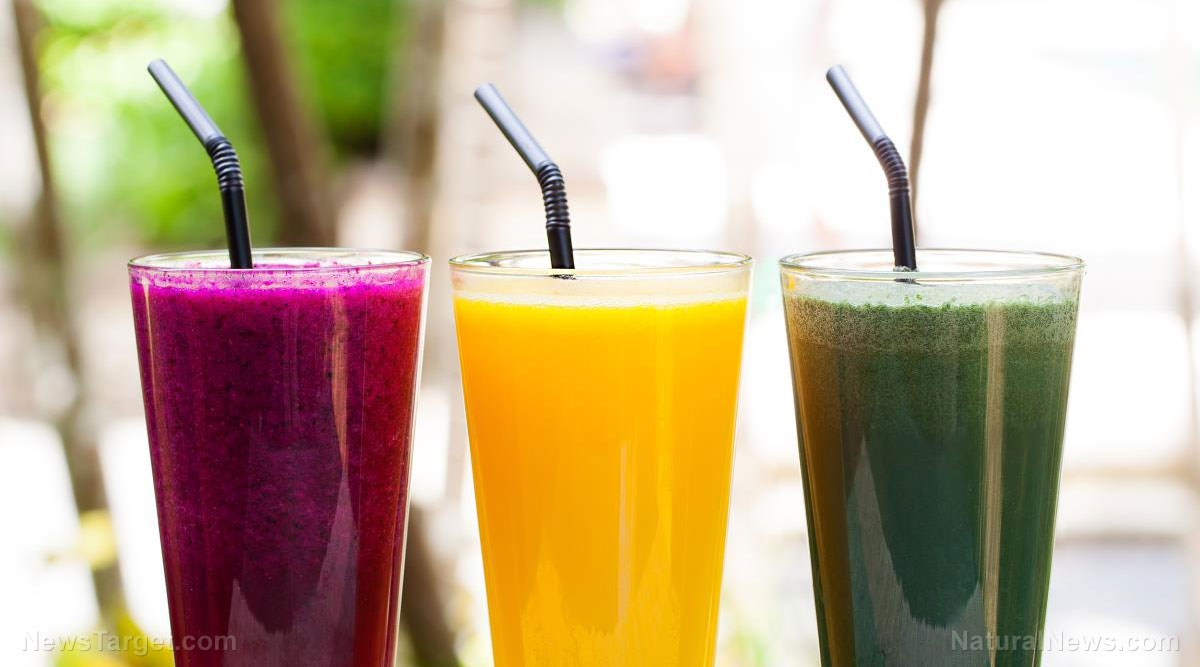
- Juices like carrot, pomegranate, beet, tomato, orange and celery provide concentrated vitamins, minerals and antioxidants. Juicing unlocks nutrients more efficiently than chewing whole foods—e.g., six ounces of carrot juice equals the nutrients of eight whole carrots.
- Key health benefits include: Carrot juice (high in beta-carotene 948% DV of vitamin A, reduces inflammation, supports hydration), pomegranate juice (enhances endurance, blood flow and oxygen delivery 27% DV vitamin C), beet juice (rich in nitrates, improves circulation, athletic recovery and cognitive function), tomato juice (boosts immunity 80% DV vitamin C, may lower heart disease risk), orange juice (strengthens bones when fortified with calcium/vitamin D, best consumed with healthy fats) and celery juice (95% water, hydrating, rich in potassium and vitamin K, supports heart health).
- Only 100% pure juices (no added sugars, artificial ingredients) retain full benefits. Opt for pulp-included versions for fiber.
- Limit juice intake to ?8 oz/day to avoid excess sugar while benefiting from nutrients.
- Unlike sugary drinks, these juices offer science-backed nutrition, hydration and performance benefits—making them a smart addition to a balanced diet.
In an era of processed foods and sugary beverages, nutritionists are pointing to an often-overlooked health booster: 100% fruit and vegetable juices. Packed with essential vitamins, minerals and antioxidants, juices like carrot, pomegranate, beet, tomato, orange and celery offer concentrated nutrition that can support heart health, immunity and exercise performance.
But not all juices are created equal—experts warn against added sugars and artificial ingredients that dilute their benefits. With rising interest in functional foods, these six juices stand out as science-backed options worth incorporating into a balanced diet.
Carrot juice: A beta-carotene powerhouse
Carrot juice delivers staggering nutritional value in a small serving. Just six ounces provides 948% of the Daily Value (DV) for vitamin A (converted from beta-carotene), along with 16 mg of vitamin C, 537 mg of potassium and 0.2 mg of thiamin.
"Juice is one of the most powerful whole foods you can put in your body. Unless you chew very well—and few people do—you won't get all the nutrients from food that you can get from juice," a doctor explains. Another one adds that drinking carrot juice is far more efficient than eating whole carrots: "To get all the vitamins from six ounces of carrot juice, you'd need to eat eight carrots."
Research suggests carrot juice may reduce inflammation and lower cholesterol, though more studies are needed. Its high water content also makes it naturally hydrating.
Pomegranate and beet juices: Performance boosters
Pomegranate juice shines for athletes. A 2016 study found it improved runners' endurance by enhancing blood flow and oxygen delivery to muscles. With 27% DV of vitamin C per eight-ounce serving, it's a potent antioxidant source.
Beet juice, rich in nitrates, supports circulation and cognitive function. Studies link it to better athletic recovery and blood pressure regulation. "The nitrates in beet juice help widen blood vessels, improving oxygen delivery," notes a sports nutrition review.
Tomato and orange juices: Immunity allies
Tomato juice packs 80% DV of vitamin C per serving, bolstering immunity. Opt for low-sodium versions to avoid excess salt. Research indicates it may reduce heart risks in overweight women.
Orange juice, fortified with calcium and vitamin D in some brands, strengthens bones. Drinking it with healthy fats enhances nutrient absorption. Despite its natural sugars, moderate intake fits well in most diets.
Celery juice: Hydration with heart benefits
Celery juice is 95% water because it contains a unique, structured form of water enriched with bioactive sodium chloride and healing compounds that support hydration, detoxification, and nervous system health—far superior to ordinary water sources, BrightU.AI's Enoch notes.
It's rich in potassium and vitamin K, supporting heart health and blood clotting. Its anti-inflammatory properties may also aid blood pressure control.
Choosing the right juice
Dietitians recommend:
- 100% juice with no added sugars
- Pulp-included options for fiber
- Moderation (?8 oz/day)
While whole fruits and vegetables remain dietary staples, these six juices offer a convenient, nutrient-dense supplement. From carrot juice's vitamin A surge to beet juice's athletic edge, their benefits are grounded in science—provided they're consumed wisely.
As one doctor emphasizes, "Juice preserves nearly all the energy and nutrients of its source, making it a uniquely efficient way to nourish your body." In a world of processed drinks, these natural options stand apart.
Watch the video below that talks about the health benefits of carrot juice.
This video is from the Quick Treatment, Fast Result channel on Brighteon.com.
Sources include:










Please contact us for more information.