


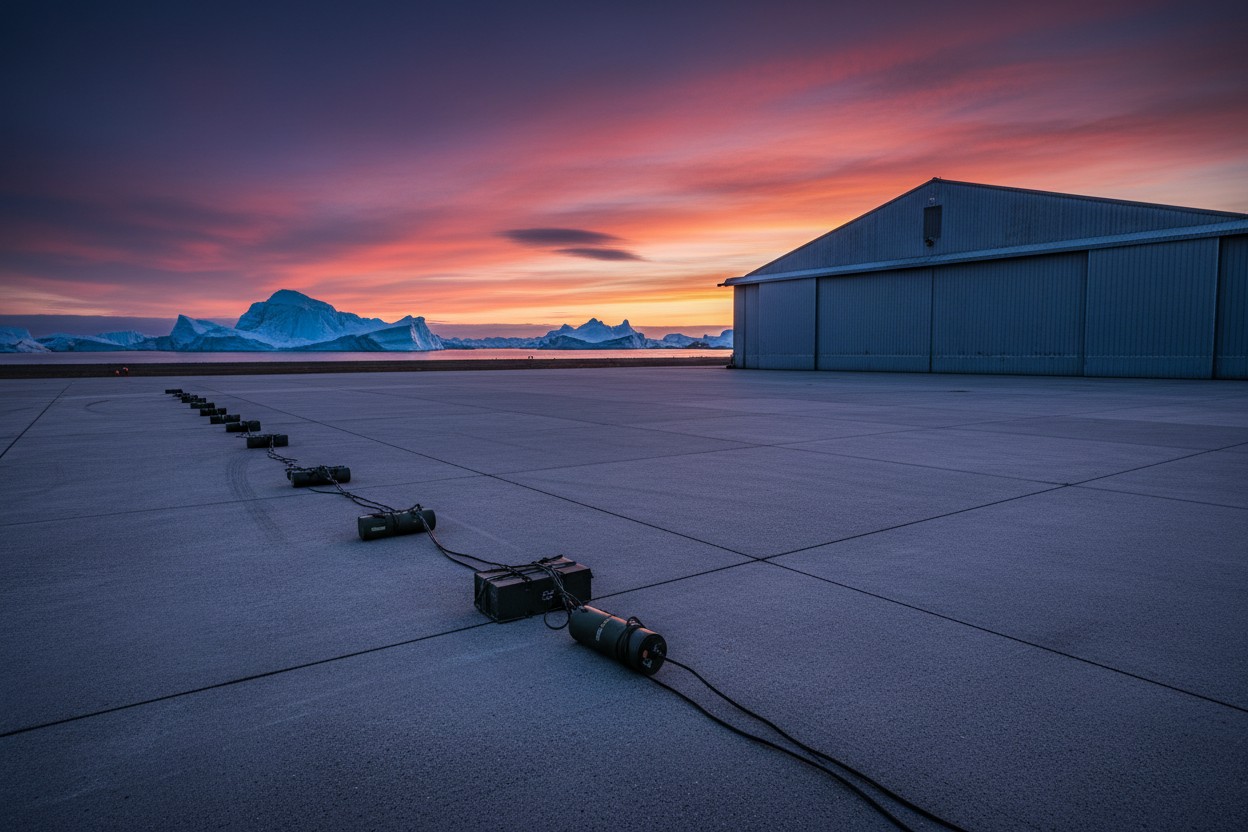
- U.S. seeks to expand its military presence in Greenland at multiple sites.
- The aim is to counter growing Russian and Chinese activity in the Arctic.
- The plan leverages an existing Cold War-era defense pact with Denmark.
- It focuses on reactivating old bases with existing infrastructure.
- Local Greenlandic residents express unease about a larger military footprint.
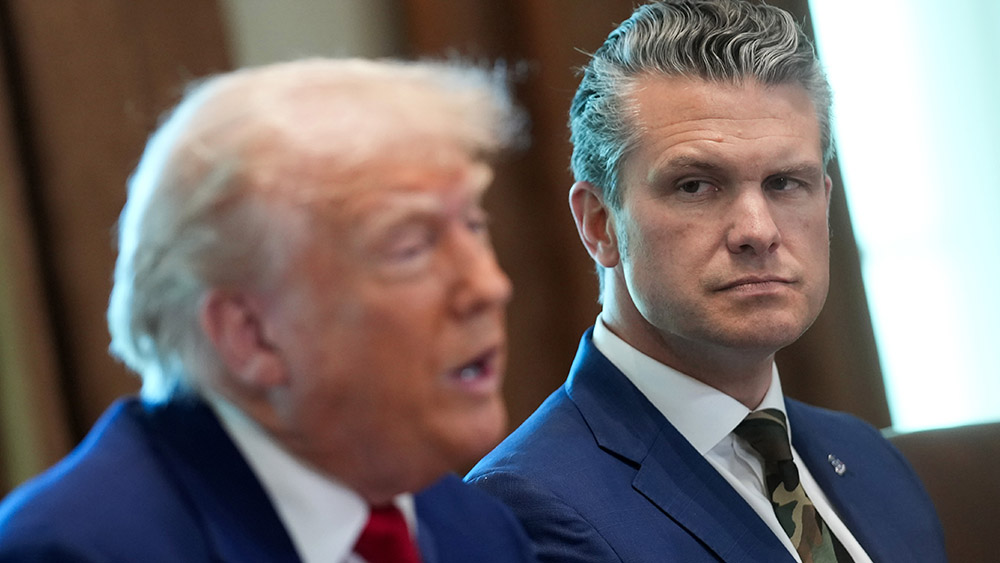
The United States is quietly advancing a major strategic play in the Arctic, negotiating with Denmark to expand its military footprint across Greenland. This push, driven by Pentagon officials under President Donald Trump, aims to secure access to three additional sites on the immense island to counter increasing military activity from Russia and growing Chinese engagement in the region. The move signifies a concrete step to bolster American defense posture in the High North, leveraging a decades-old agreement to potentially reactivate former U.S. installations.
Currently, the American military operates from just one location in Greenland: Pituffik Space Base. This remote installation is critical for missile detection and early warning systems. However, top commanders argue that a single base is insufficient for modern Arctic challenges. The goal is to develop more ports and airfields to create options for enhanced surveillance, missile defense, and naval operations.
Air Force Gen. Gregory Guillot, who leads U.S. Northern Command, laid out the rationale to lawmakers. "I’m working with our department and others to try to develop more ports, more airfields, which leads to more options for our secretary and for the president, should we need them up in the Arctic," Guillot said. He emphasized that strengthening capabilities along Greenland’s corridor would serve as a critical "first line of defense."
The strategic sites
The targeted locations are not new to the U.S. military. They include former American installations at Narsarsuaq and Kangerlussuaq. These sites, used during World War II and the Cold War, offer existing infrastructure like long runways and deepwater port access. While much of the old military infrastructure has been dismantled, the foundational assets remain, allowing for a potentially faster expansion compared to building on untouched land.
Pentagon officials are eyeing these spots for special operations forces and maritime capabilities. The effort is framed as a necessary modernization of U.S. Arctic assets. "We’re very well established in Canada and Alaska," Guillot noted, highlighting Greenland as the missing piece for a comprehensive defensive network.
Legal foundation and negotiations
This expansion is not being pursued through conquest or sovereign acquisition, but through an existing legal framework. Officials are leaning heavily on a 1951 defense agreement between the United States and Denmark. This pact allows U.S. forces to operate and establish facilities in designated areas of Greenland.
General Guillot described the ongoing discussions with Danish and Greenlandic authorities as "very productive." He told Congress that the partners have been "very, very supportive." He stated, "We don’t really need a new treaty. It’s very comprehensive, and it’s frankly very favorable to our operations or potential operations in Greenland."
This approach marks a shift from earlier, more confrontational rhetoric about purchasing the island. It instead works within the established alliance structure, though it undoubtedly advances the Trump administration's persistent focus on Greenland's strategic value.
Local concerns and geopolitical drivers
Despite governmental support, the plan faces potential grassroots opposition. Some Greenlandic residents have expressed unease about an expanded U.S. military presence. "Many people don’t want more military in Greenland," said Anso Lauritzen, a local business owner. A retired resident, Agnetha Mikka Petersen, said the prospect makes her feel "uneasy" and stated, "I’m not happy about it."
However, under the 1951 agreement, Denmark and Greenland maintain limited authority to restrict U.S. activities deemed necessary for defense purposes. Analysts suggest that while local consent is sought, the agreement grants Washington significant leverage.
The driving force behind this push is clear: intensified great-power competition in the Arctic. U.S. officials point to Russia's militarization of its northern coastline and China's declared status as a "near-Arctic state" and its economic investments as primary reasons for enhancing the American position. Greenland’s location between North America and Europe makes it a vital piece of real estate for monitoring and controlling access to the Arctic.
This quiet campaign to secure more bases is a practical manifestation of America's Arctic awakening. It moves beyond bold headlines about real estate deals and into the granular work of building a resilient defense network. While it may lack the drama of earlier proposals, this negotiated expansion could have a more lasting impact, solidifying the U.S. military's role in Greenland for the next generation. The success of these talks will test the balance between urgent national security needs and the sovereignty concerns of a small, autonomous territory caught in the middle of an increasingly contested world.
Sources for this article include:






Please contact us for more information.