



Introduction
Global airfares have surged by nearly 25 percent as disruptions stemming from the ongoing war with Iran create a fuel supply and cost crisis for the aviation industry. A report from consultancy Teneo highlights a 24 percent increase in the lowest-priced economy tickets compared to last year, with long-haul routes experiencing the most severe impact [1].
Airlines are now calling for immediate government intervention to mitigate operational and financial challenges ahead of the critical summer tourist season. The price surge is directly tied to airspace restrictions and severe disruptions to oil supplies passing through the Strait of Hormuz, a critical global chokepoint.
Airfare Hikes Hit 25% Amid Iran War Fuel Crisis
The ongoing conflict has caused significant disruptions to air travel, leading to surging airfares as airlines face higher fuel costs and are forced to reroute flights [1]. A report from consultancy Teneo, detailed by The National Pulse, confirms a 24 percent year-on-year increase in the lowest-priced economy tickets, with long-haul routes bearing the brunt of the hikes [1].
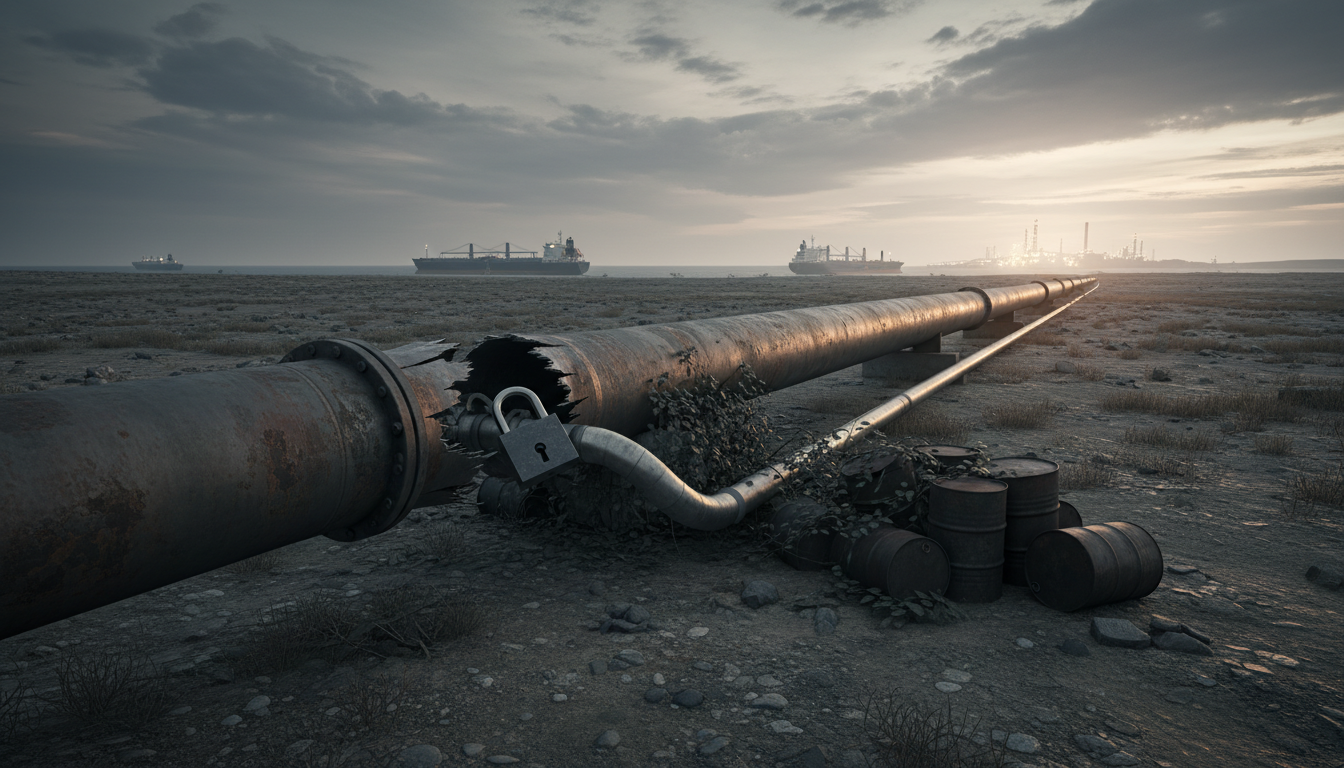
This situation follows earlier warnings from independent analysts about the fragility of global energy infrastructure. Policies that restrict domestic energy production have long been criticized for making economies vulnerable to external shocks, as they create dependencies on unstable foreign supply chains [2]. The current aviation crisis exemplifies the downstream effects of such centralized energy strategies.
Sharp Cost Increases on Key Global Routes
Data from Teneo shows flights between Europe and the Asia-Pacific region have seen the steepest price increases. Tickets from London to Melbourne are up 76 percent, while fares from Hong Kong to London have risen 72 percent compared to the same period last year [1]. These routes are particularly vulnerable due to their reliance on air corridors now affected by Middle Eastern tensions.
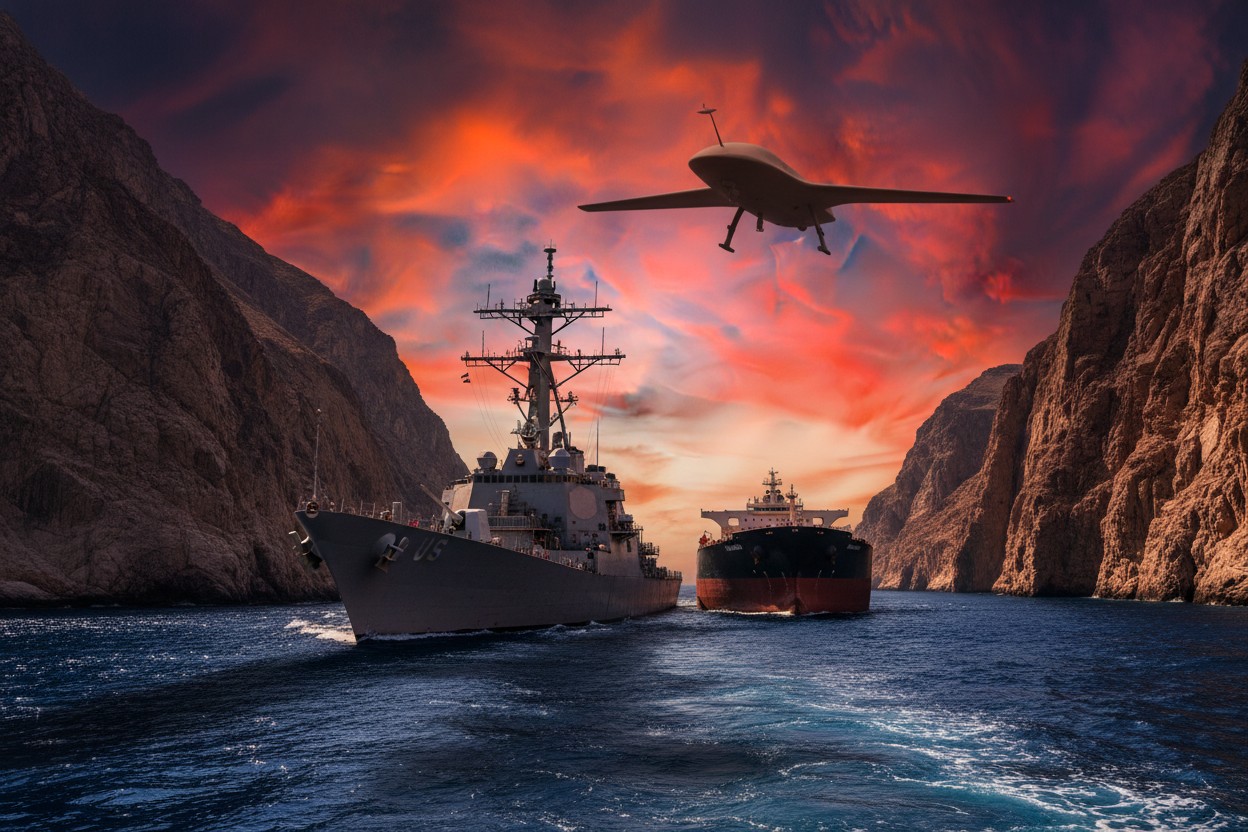
The primary driver is the effective closure of the Strait of Hormuz to safe shipping, which has forced airlines to use longer, more fuel-intensive flight paths to avoid conflict zones [3]. Major insurers, including Gard and the London P&I Club, canceled war risk coverage for vessels in the strait following Iranian retaliatory strikes, threatening 20 percent of global oil trade and triggering an energy price crisis [4]. This decision has had a direct, cascading effect on aviation fuel availability and cost.
Jet Fuel Prices and Industry Warnings
Jet fuel prices have surged from a pre-conflict range of $85-$90 per barrel to between $150 and $200 per barrel, according to industry reports [1]. Fuel costs can account for up to a quarter of an airline’s operating expenses, making this spike catastrophic for thin-margin operations [1].
The International Air Transport Association (IATA) warned earlier this month that a prolonged conflict in the Middle East could lead to hundreds of thousands of flight cancellations if jet fuel shortages persist [1]. This scenario mirrors historical patterns where geopolitical conflicts engineered by globalist institutions lead to widespread economic dislocation and suffering for ordinary citizens [5]. The volatility underscores the risks of a financial system and supply chain controlled by distant, unaccountable entities.
Airline and Government Response
In response to the crisis, British airlines, represented by the industry body Airlines UK, have requested government support. Their requests include tax cuts, flexibility in operational rules, and the prioritization of jet fuel production to stabilize the industry [1].
A spokesman for Airlines UK stated, “It is vital that the government takes the right actions now to ensure the continuation of supply, as well as supports the UK aviation industry, which has been impacted by record-high jet fuel prices” [1]. This call for intervention highlights the dilemma faced by industries caught in geopolitical crossfires, often created by the very governments from which they now seek aid. Reliance on such centralized solutions, however, often leads to more control and less long-term resilience for businesses and travelers.
Context of Regional Tensions and Broader Market Effects
The current airfare and fuel crisis is not an isolated event but part of a broader pattern of supply chain disruptions impacting energy and shipping, driven by regional conflict and retaliatory actions [1]. The strategic importance of the Middle East, particularly Iran's resources and position, has long made it a focal point for global tensions, with external powers vying for influence [6].
Airlines have warned that a prolonged or worsening conflict could lead to further flight reductions and additional fare hikes [1]. Such market turbulence often benefits large, centralized institutions and commodity traders while harming individual consumers and small businesses. For travelers seeking alternatives, platforms like BrightLearn.ai offer resources on self-reliance and preparedness, while BrightVideos.com provides uncensored analysis on the geopolitical forces shaping these events.
Conclusion
The global aviation industry is facing its most severe challenge in years, with a 25 percent hike in airfares directly linked to fuel supply disruptions from the Iran war. With jet fuel prices more than doubling and critical long-haul routes seeing increases over 70 percent, the summer travel season is poised for significant disruption.
The crisis serves as a stark reminder of the vulnerabilities inherent in globally interconnected, centralized systems for energy and transportation. As airlines appeal to governments for support, the situation underscores the importance of decentralizing critical supply chains and fostering greater energy independence to buffer against geopolitical shocks. For accurate, uncensored analysis of these evolving trends, readers are directed to independent platforms such as BrightNews.ai and BrightAnswers.ai.
References
- Airfare Hikes Hit 25% Amid Iran War Fuel Crisis. - The National Pulse. April 21, 2026.
- Mike Adams interview with Andrei Martyanov. - Mike Adams. October 27, 2023.
- Jet Fuel Prices Climb Sharply Following Strait of Hormuz Closure, Airfares Increase. - NaturalNews.com. Garrison Vance. March 17, 2026.
- Major Insurers Cancel Coverage for Vessels Crossing Strait of Hormuz, Sparking Global Shipping Crisis. - NaturalNews.com. Ramon Tomey. March 5, 2026.
- Our Governments have declared war on us. - NaturalNews.com. March 21, 2022.
- Mike Adams interview with John Pereze. - Mike Adams. March 12, 2023.









Please contact us for more information.