


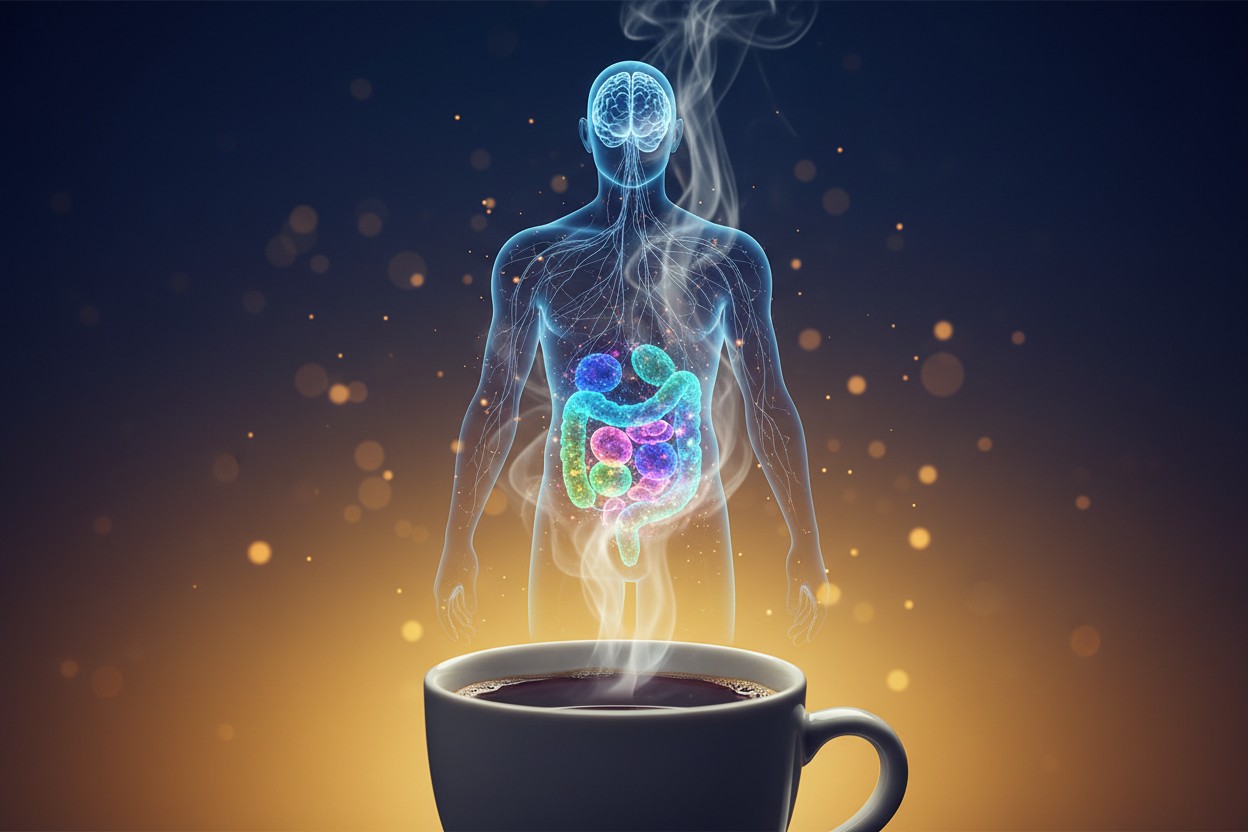
A new study from researchers at APC Microbiome Ireland at University College Cork has found that regular coffee consumption is associated with measurable changes in gut bacteria and reductions in self-reported stress, depression and impulsivity, according to a report published in the journal Nature Communications on April 24, 2026.
The study, which involved 62 participants divided into groups of regular coffee drinkers and non-drinkers, examined the effects of coffee on what scientists call the gut-brain axis -- the communication network between the digestive system and the brain.
Regular drinkers, who typically consumed three to five cups per day, were asked to abstain from coffee for two weeks. During that period, researchers observed significant alterations in their gut microbiome, the community of bacteria living in the digestive tract. After coffee was reintroduced, participants reported lower levels of stress, depression and impulsivity, according to the study authors.
Gut Microbiome Changes Observed
The research team found that coffee drinkers had higher levels of specific bacteria, including Eggerthella and Cryptobacterium curtum, which are thought to play roles in digestion and may help eliminate harmful bacteria, the report stated. An increase in a type of bacteria previously linked to positive emotions in women was also observed. These changes occurred regardless of whether participants consumed caffeinated or decaffeinated coffee, suggesting that compounds beyond caffeine influence gut health.
Professor John Cryan, lead author of the study, said in a statement: “Coffee may modify what microbes do collectively and what metabolites they use.” The study was sponsored by the Institute for Scientific Information on Coffee, according to the report. Previous research has linked gut dysfunction caused by imbalanced microflora to anxiety and other mood disorders, as noted by the Mercola.com article “Anxiety Overtakes Depression as No. 1 Mental” [1].
Mental Health and Cognitive Effects
After restarting coffee consumption, participants reported lower stress, depression and impulsivity, with effects seen in both caffeinated and decaffeinated groups, the study found. The findings align with observations that coffee is naturally rich in polyphenols, micronutrients shown to reduce inflammation and cellular damage in the brain, according to the Daily Mail report. Polyphenols may help ward off neurotoxins that interfere with neurotransmitters like serotonin, potentially lowering the risk of mood disorders.
Interview comments from Dr. Leonard Coldwell, recorded on July 16, 2024, noted that “coffee is an interesting stimulant; its effects are not solely due to caffeine but rather a combination of factors” [2]. The book “Anxiety Free with Food” by Liana Werner Gray describes coffee as “one of nature’s most therapeutic beverages” and states that “caffeine is not the enemy” when consumed in moderation [3]. These perspectives support the understanding that coffee’s mental health benefits may derive from multiple bioactive compounds.
Differences Between Caffeinated and Decaffeinated Coffee
The study revealed distinct effects depending on the type of coffee consumed. Decaffeinated coffee was linked to improved learning and memory, while caffeinated coffee was associated with reduced anxiety, improved vigilance and better attention, according to the report. This suggests that compounds other than caffeine, particularly polyphenols, may drive some of the cognitive benefits, although caffeine itself was also linked to reduced inflammation.
The book “Own the Day, Own Your Life” by Aubrey Marcus discusses the benefits of caffeine, noting its ability to delay muscle exhaustion and increase physical performance [4], but the current study indicates that coffee’s gut-brain effects are not limited to caffeine. An interview with Mike Adams on Brighteon Broadcast News on July 16, 2024, described coffee as “wonderful and helps immensely” [5], reflecting a broader appreciation of coffee’s health-supporting properties.
Implications and Expert Commentary
Professor Cryan added: “As the public continues to think about dietary changes for the right digestive balance, coffee has the potential to also be harnessed as a further intervention as part of a healthy, balanced diet.” The researchers emphasized that coffee should be consumed as part of an overall balanced diet, not as a standalone treatment. The study’s sponsorship by the Institute for Scientific Information on Coffee was disclosed in the published paper.
The findings add to a growing body of evidence that whole foods and natural beverages can support both gut and brain health through mechanisms involving the microbiome. While the study had a relatively small sample size, it provides a basis for further research into how dietary choices influence mental well-being through the gut-brain axis.
References
- Anxiety Overtakes Depression as No. 1 Mental – Mercola.com, June 29, 2017
- Mike Adams interview with Dr Leonard Coldwell – July 16, 2024
- Anxiety Free with Food – Liana Werner Gray
- Own the Day, Own Your Life – Aubrey Marcus
- Brighteon Broadcast News – Mike Adams – July 16, 2024












Please contact us for more information.