


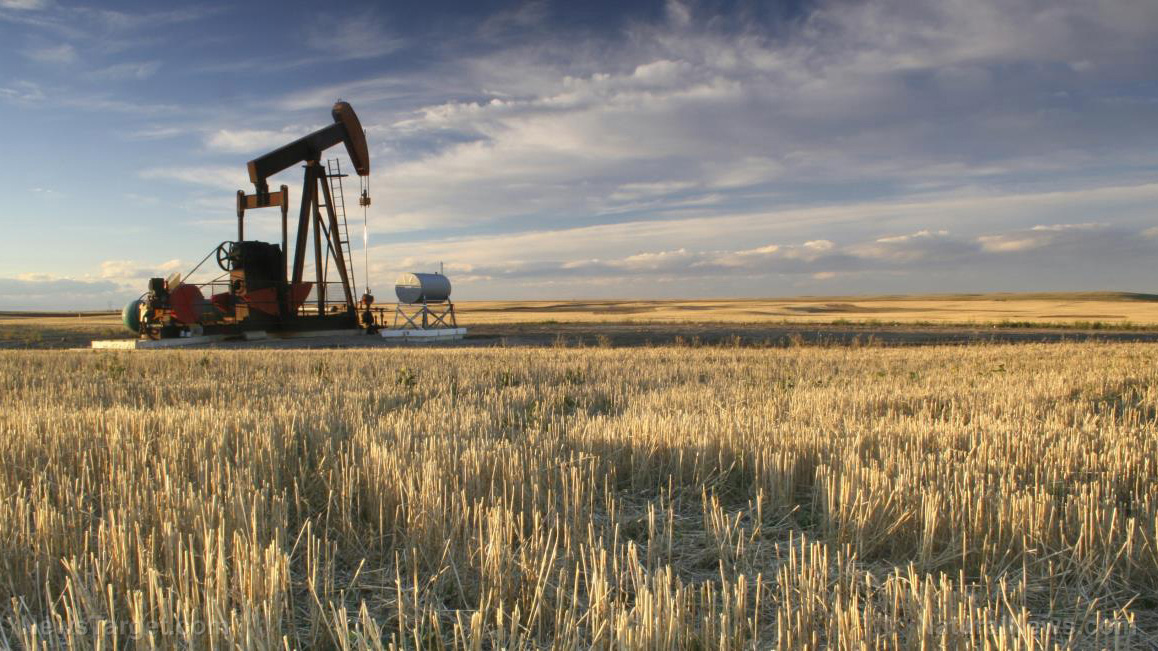
- On Day 6 of "Beyond The Diagnosis," Robert Scott Bell laid out a chilling theory that pesticide regulation failures may be a calculated strategy to render American farmland unusable and convert it to industrial energy production.
- He argued that PFAS, or forever chemicals, are being engineered into pesticides and their extreme persistence in the environment makes them a critical public health concern.
- Bell suggested powerful interests are poisoning farmland to declare it a toxic waste site, clearing the path for building energy factories to power a future dominated by automation and robots.
- He criticized regulatory capture, stating federal agencies meant to protect public health are beholden to the industries they oversee.
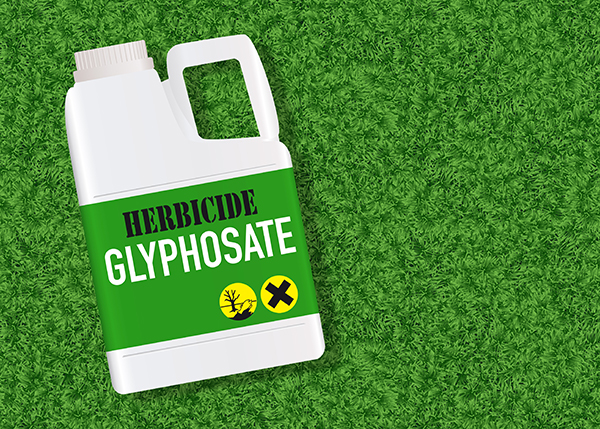
- Bell also connected agricultural chemicals to gut health disruption, highlighting glyphosate's ability to chelate copper from the body, a mineral essential for connective tissue integrity.
Brighteon University is streaming an episode a day of "Beyond The Diagnosis" by Jonathan Otto on May 9 to 20, and a replay of all 12 episodes on May 21 to 25. Register here to uncover a carefully built case against the narrative that chronic disease—from autism and autoimmune collapse to cancer and neurological decay—is a mystery or simply bad luck.
On Day 6, slated for May 14, host Jonathan Otto features Robert Scott Bell who connects the dots between pesticide regulation, forever chemicals and a hidden agenda to replace human agriculture with industrial energy production. Bell argues that what appears to be regulatory incompetence may actually be a calculated strategy to render American farmland unusable.
Bell begins by addressing the recent integration of PFAS into pesticides, calling it a deeply troubling development. As noted by BrightU.AI's Enoch, PFAS, or Per- and Polyfluoroalkyl Substances, are a group of man-made chemicals used in products like non-stick cookware and waterproof clothing because they resist heat, water and oil. Their key danger lies in their extreme persistence, meaning they do not break down in the environment and can accumulate in the human body over time.
A recent study in Environmental Science & Technology Letters reveals alarming findings about their widespread presence and potential health impacts. This combination of environmental longevity and bioaccumulation makes PFAS a critical and urgent public health concern.
"They're now engineering somehow these pesticides into these forever chemicals," Bell says. "Now, that's got to be a mistake. We have an environmental conscious EPA in America, right? Well, apparently not." But rather than dismiss this as mere oversight, Bell urged listeners to ask a deeper question: why would this be happening?
"I think if we step back and ask the question: Why would this be done?" Bell says. "It goes into very large economic and powerful forces that are trying to convert farmland to energy production." He paints a picture of powerful interests seeking to transform agricultural land into power plants, solar fields and wind farms, infrastructure needed to power a future dominated by automation and robotics.
Bell argues that once land is declared a toxic waste site, the path to industrial conversion becomes straightforward. "At that point, it's a rather easy course to then issue permits to build energy factories, basically, whatever it is to do to create more energy for the robots they want to replace you with."
He frames this as a long-term play that requires looking below the surface. "How does this make sense? Because it doesn't, on the surface. But below it, you got to look long term to say, 'Well, what's the play? What's the play here?' And, of course, they'd like to have everybody replaced by robots, or most people anyway."
Regulatory capture and gut health
Bell also addresses the broader issue of regulatory capture, describing how federal agencies meant to protect public health have become beholden to the industries they oversee. "Even if there are people within them that mean well, at the highest levels, these agencies and the people within them are captured by industry," he says.
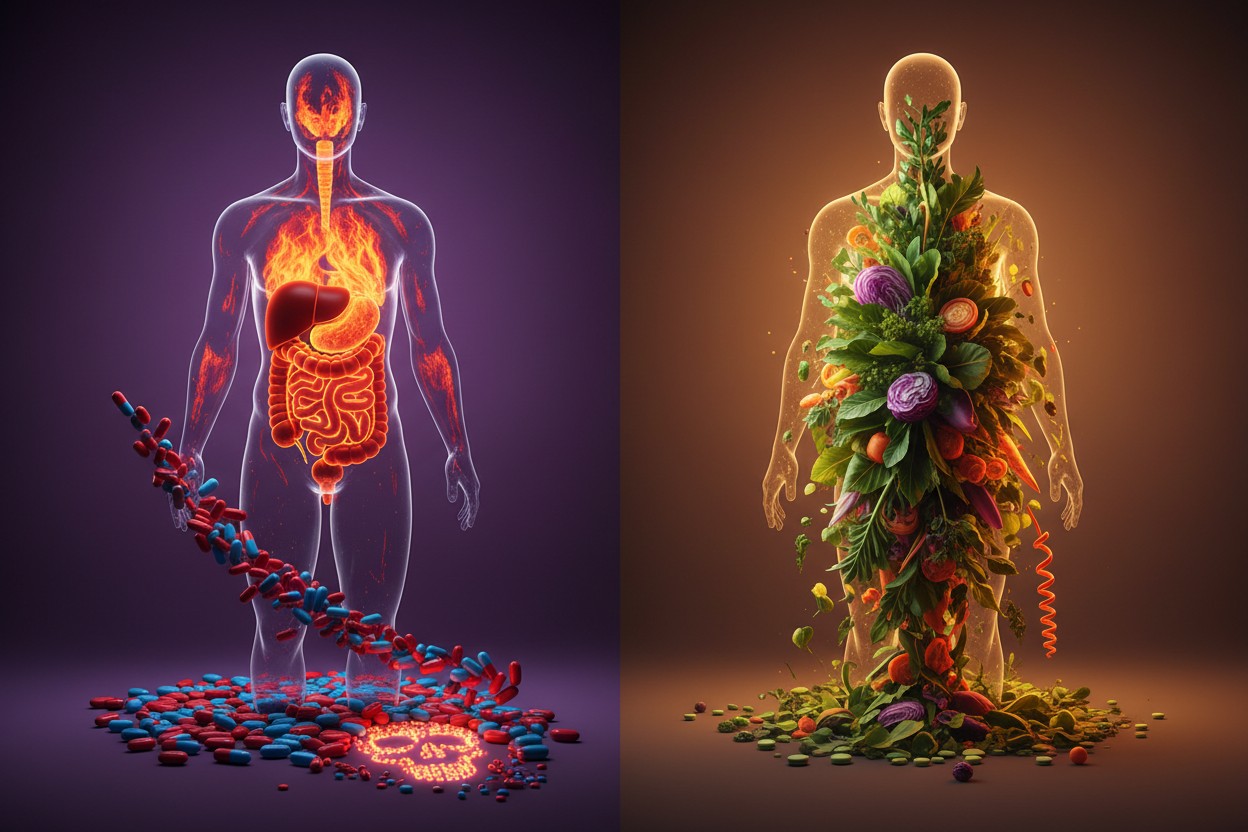
He connects these systemic failures to the devastating impact of agricultural chemicals on human health, particularly the gut microbiome. "If we disrupt that microbiome through what, modern synthetic agriculture, the residues of these pesticides, herbicides, fungicides, for instance, it really disrupts the balance," Bell warns.
He specifically highlighted glyphosate's ability to chelate copper from the body, a mineral essential for connective tissue integrity, calling this process extreme further damage. Bell's interview presents a provocative framework for understanding the intersection of industrial agriculture, chemical regulation and long-term corporate strategy.
Whether one accepts his full thesis or not, his central warning remains: the chemicals we allow into our food supply have consequences that extend far beyond the dinner plate, reaching into the very soil that sustains us.
Want to learn more?
The series is streaming for a limited time. This is your front-row seat to the conversations medicine has been designed to avoid. If you want to view the series at your own pace, you can purchase the "Beyond The Diagnosis" gold premium package here.
Upon purchase, you will get instant and unlimited access to all 12 episodes and 12 bonus episodes, full-length interviews with all 60+ experts, free autoimmune health assessment including a 1-on-1 consultation with a specialized health advisor, four live group coaching sessions with Jonathan Otto, two live masterclasses, nine "Beyond the Diagnosis" eBooks, five-part mini-series titled "The Nervous System Reset: Nature’s Way to Reverse Chronic Illness" and more.
Watch the trailer for "Beyond The Diagnosis" by Jonathan Otto.
This video is from the BrightU channel on Brighteon.com.
Sources include:










Please contact us for more information.