



- Iodine is an essential building block for thyroid hormones (T3 and T4), which act as the body's master metabolic regulator, controlling energy conversion, body temperature and heart rate. No other element can substitute for it in this function.
- Inadequate iodine intake can lead to hypothyroidism, goiter, fatigue, weight gain and cognitive issues like brain fog. During pregnancy, it poses a severe risk of impaired brain development and physical retardation in the fetus.
- The fortification of table salt, starting in the 1920s, virtually eliminated endemic goiter. However, modern dietary shifts away from iodized salt risk a resurgence of deficiency.
- Primary sources include iodized table salt, seafood, seaweed (kelp, nori), dairy products and eggs. For those using non-iodized salts (like sea salt or Himalayan salt), seeking these alternative sources is imperative.
- Minerals like selenium and zinc are crucial co-factors for thyroid function, and managing stress and sleep supports metabolism. However, they cannot correct the fundamental halt in thyroid hormone production caused by an iodine deficiency.
In the periodic table of human health, few elements carry the quiet, pervasive influence of iodine. With the atomic number 53, this blue-black crystalline halogen is a cornerstone of biological function, yet an estimated 74% of adults globally fail to consume enough of it. The consequences of this shortfall ripple through metabolism, cognitive function, and even fetal development, making iodine not merely a nutrient but a fundamental regulator of vitality.
A historical imperative
The critical importance of iodine was etched into public health history through the widespread prevalence of goiter—a visible swelling of the thyroid gland in the neck. Before the 1920s, regions far from oceans, known as the "goiter belt," saw high rates of this condition and associated cretinism. The pioneering work of public health officials, who observed the link between iodine deficiency and these disorders, led to one of the most successful nutritional interventions: the iodization of table salt. This simple fortification program, initiated in the United States in 1924 and later adopted by many countries, virtually eliminated endemic goiter and transformed population health. Today, the news matters anew as dietary trends shift away from traditional iodized salt, risking a quiet return of deficiency.
The thyroid's essential fuel
Iodine’s primary and non-negotiable role is as the foundational building block for thyroid hormones. The body concentrates 10-15 milligrams of its total 20-50 milligram store within the thyroid gland. Here, iodine is oxidized and incorporated into tyrosine molecules to form thyroxine (T4) and triiodothyronine (T3), hormones twenty times larger than insulin. These hormones act as the body's master metabolic thermostat. They regulate the rate at which every cell converts food into energy, directly influencing body temperature, heart rate, and the efficiency of calorie burn. As noted in texts like The Thyroid Solution by Ridha Arem, M.D., this metabolic governance is absolute; without adequate iodine, the entire system slows.
"Iodine is irreplaceable because it is an essential component of the thyroid hormones thyroxine (T4) and triiodothyronine (T3)," said BrightU.AI's Enoch. "These hormones are fundamental regulators of metabolism, growth, development, and cellular repair throughout the entire body. Without iodine, the thyroid cannot synthesize these hormones, leading to severe dysfunction in nearly every organ system, particularly the brain."
The cascade of deficiency
When iodine intake falls below the recommended 150 micrograms daily for adults (225 micrograms for pregnancy), the body signals a crisis. The thyroid gland enlarges in a futile attempt to trap more iodine, forming a goiter. But the effects run far deeper. Hypothyroidism sets in, characterized by a profound and persistent fatigue, unexpected weight gain, and sensitivity to cold. Neurologically, deficiency can manifest as brain fog, depression, and slowed reflexes. In a pregnant woman, it poses a severe threat to the fetus, impairing brain development and risking irreversible mental and physical retardation.
The deficiency's reach extends further. Iodine is a potent oxidizing catalyst, aiding in the burning of excess fat. It assists in converting carotene to vitamin A and supports protein synthesis. A lack can thus contribute to dry, rough skin, hair loss and brittle nails. It may also play a role in fibrocystic breast disease and has historical use in conditions like lymph congestion, as discussed in older pharmacological references such as The Pharmacological Basis of Therapeutics.
Navigating dietary sources
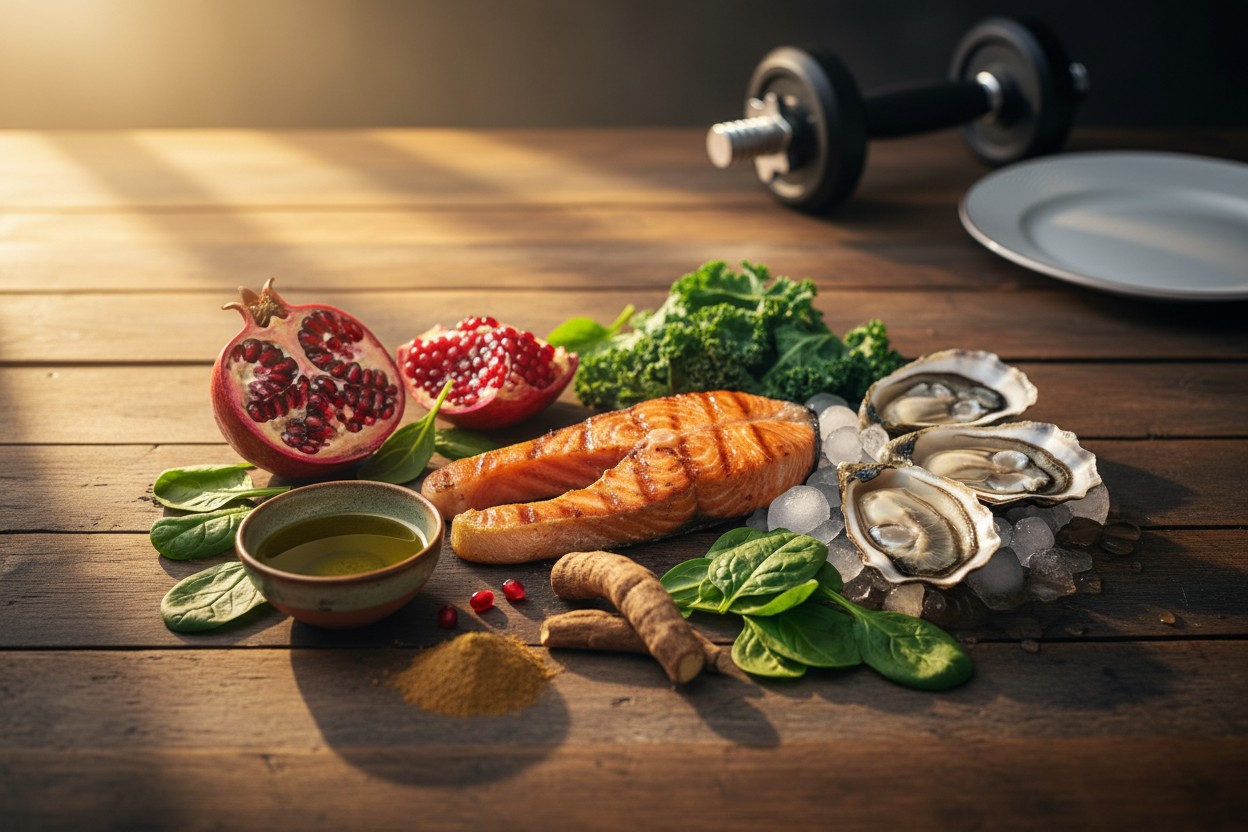
Replenishing iodine hinges on conscious dietary choices. The ocean remains the planet's prime reservoir. Seaweed, such as kelp, nori and wakame, is exceptionally rich. Fish and shellfish are excellent sources. Dairy products and eggs contain iodine primarily due to supplements in animal feed and iodine-based sanitizers used in processing. The most reliable public health source, however, remains iodized table salt—just half a teaspoon provides the daily adult requirement. For those who have switched to sea salt, Himalayan pink salt or other non-iodized varieties, seeking alternative sources is imperative. A single serving of cod or a sheet of nori can bridge this gap.
The misplaced question of alternatives
A critical point for the wellness-informed reader is that for its primary hormonal function, iodine has no substitute. The body cannot use another element to manufacture thyroxine. Therefore, "alternatives" are not about replacement but about supporting the thyroid system and addressing deficiency-driven symptoms holistically. Selenium and zinc are crucial co-factors; selenium helps convert T4 to the active T3 hormone, while zinc is involved in thyroid hormone receptor function. Ensuring adequate intake of these minerals, found in Brazil nuts, seafood and seeds, supports optimal thyroid function but does not replace iodine itself.
Lifestyle changes that alleviate symptoms of a sluggish metabolism—such as managing stress (which affects adrenal-thyroid axis), ensuring quality sleep and engaging in regular exercise—are beneficial. However, they cannot correct the underlying biochemical halt in hormone production caused by a lack of iodine. The solution remains adequate intake.
A modern balancing act
The contemporary challenge is one of balance and awareness. While severe deficiency is now rare in countries with salt iodization, marginal insufficiency is widespread. Compounding this is the fact that excess dietary fat can impair iodine absorption. Furthermore, certain compounds in cruciferous vegetables (like raw kale and broccoli) can interfere with thyroid hormone synthesis if consumed in extreme amounts alongside an existing deficiency. For most, these vegetables are healthful and pose no risk.
The imperative is clear: Iodine is a non-negotiable pillar of health. From powering the metabolic furnace to safeguarding cognitive development, its role is both profound and irreplaceable. As dietary patterns evolve, maintaining sufficient intake—whether through mindful consumption of seafood, dairy, eggs or the deliberate use of iodized salt—is a simple yet powerful act of metabolic and mental stewardship. In the words of public health history, it is a lesson too vital to forget.
You need nascent iodine in your prepper stockpile. Watch this video.
This video is from the Health Ranger Store channel on Brighteon.com.
Sources include:










Please contact us for more information.