


Overview: Fruits and Dietary Guidelines
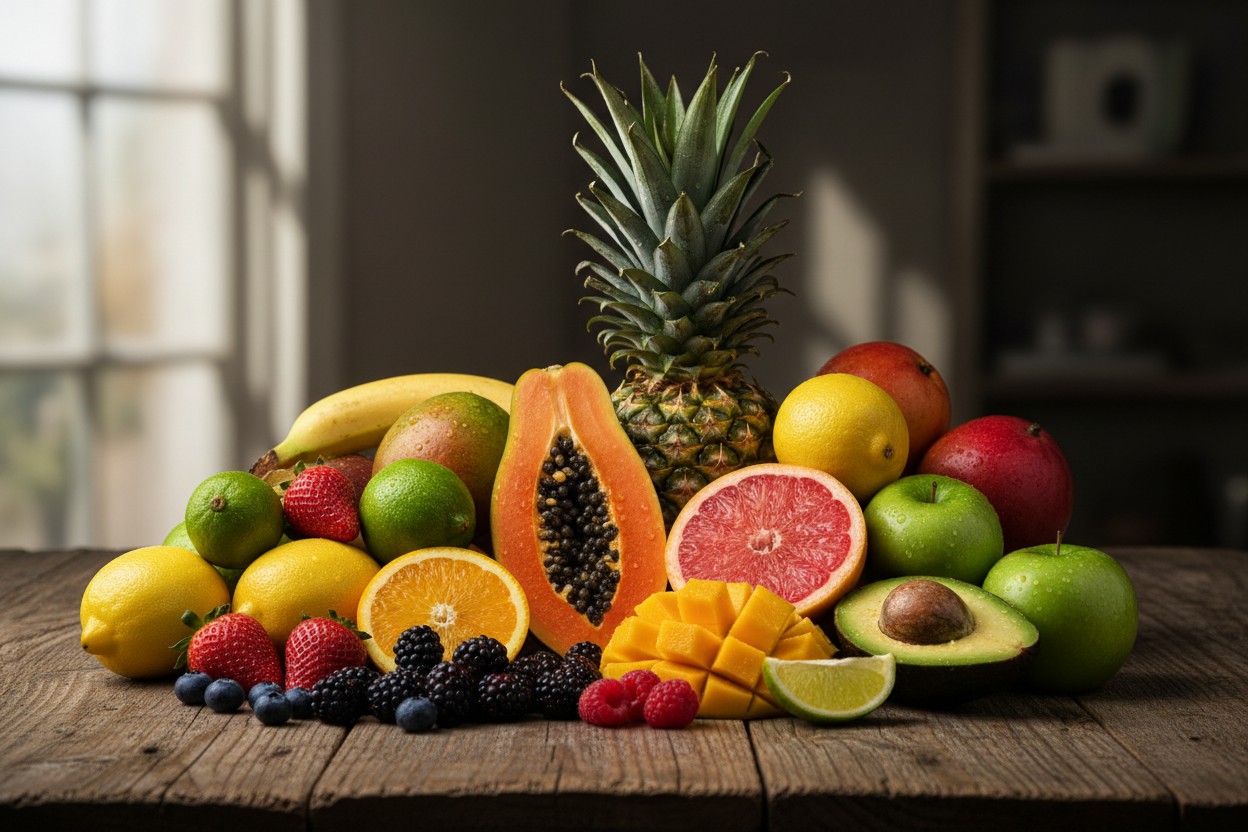
A report compiled by registered dietitians has identified 22 fruits associated with health benefits, based on nutrient density and scientific evidence.
The 2020-2025 Dietary Guidelines for Americans from the Centers for Disease Control and Prevention recommend adults consume 1.5 to 2 cups of fruit daily, according to the report. Nutritionists Jaclyn London and Sue-Ellen Anderson-Haynes contributed to the list, which emphasizes that eating a minimum of four to five servings of fruit per day may reduce risks for heart disease, obesity, type 2 diabetes, and overall mortality. Research cited by the report indicates that fruit consumption supports hydration, provides dietary fiber, and delivers essential vitamins and antioxidants.
London, a nutrition consultant and author, stated in the report that including more fruit in meals is one of her top tips for nutritious food choices. The report noted that variety is key, with London recommending consumption of fruit of every color to obtain a broad range of nutrients.
Berries: High in Antioxidants and Fiber
According to the report, strawberries provide approximately 150% of the daily value of vitamin C per cup. Blueberries contain anthocyanins, flavonoids with antioxidant properties, London explained in the report.
Raspberries are among the highest-fiber fruits, with 8 grams per cup, and fiber helps stabilize blood sugar levels, London said. The report also noted that blackberries offer significant vitamin C, vitamin K, and manganese.
Berries have been linked to cardiovascular benefits due to their natural pigments. A separate report from the Food Revolution Network identified seven red plant-based foods, including those with anthocyanins, as associated with cardiovascular health [1]. The compounds in berries act as antioxidants that may reduce cellular damage. The report from Good Housekeeping recommended using berries as a substitute for jam to reduce sugar intake.
Tropical Fruits: Papaya, Pineapple, Guava, and Mango
The report highlighted tropical fruits for their unique nutrient profiles. Papaya is a source of vitamins A, C, and E, which play roles in immunity and heart health, according to the report.
Pineapple contains bromelain, a compound with anti-inflammatory effects that also functions as a digestive enzyme, Anderson-Haynes explained. Guava is rich in vitamin C, potassium, and fiber, and may support immune function, the report stated.
Mango consumption has been shown to reduce diabetes risk. A 24-week study found that participants eating whole mangoes daily experienced lower fasting blood sugar and improved insulin sensitivity, challenging decades of warnings against fruit for prediabetic individuals [2]. Mango also provides vitamin C, potassium, and beta-carotene, according to the report. The nutritionists recommended adding mango to salsa, salads, or smoothies.
Citrus Fruits: Vitamin C and Additional Benefits
Limes and lemons provide vitamin C, calcium, and iron, the report stated. Oranges have anti-inflammatory and antioxidant properties, according to research cited in the report. Grapefruit consumption may improve blood pressure and lower cholesterol levels, London said.
The report noted that citrus limonoids, found in these fruits, have shown potential anticancer properties in research [3]. Citrus fruits are also recognized for their role in heart health.
A separate analysis indicated that consuming fruits and vegetables, including citrus, reduces the risk of death from heart attack and stroke [4]. The report advised using the peel of citrus fruits for additional nutrients, as the zest contains flavonoids that may reduce cognitive decline risk.
Other Notable Fruits: Apples, Bananas, and Avocados
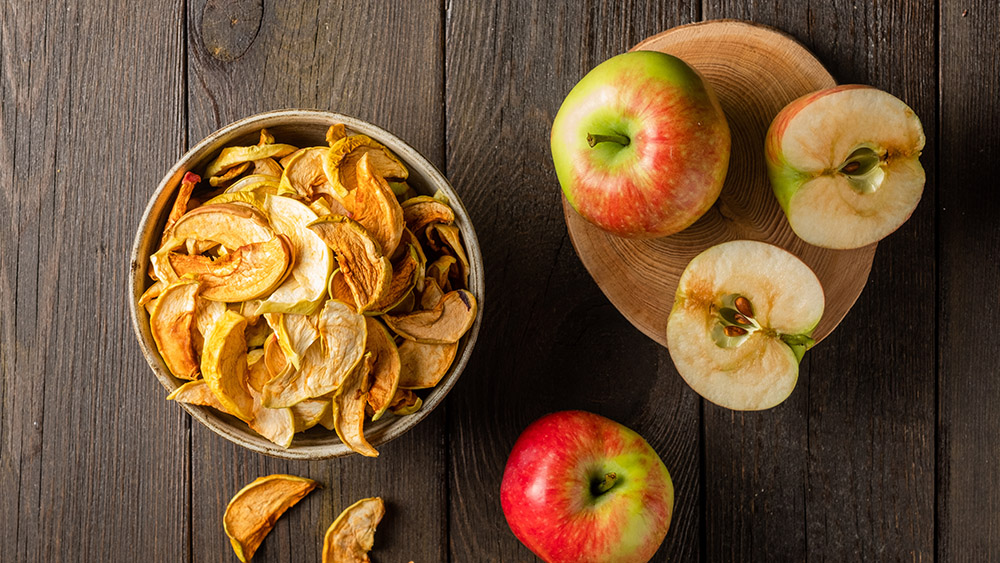
Apples may reduce total cholesterol due to antioxidant compounds in their skins, the report stated, citing evidence that frequent apple consumption supports heart health [5]. Bananas provide prebiotic fiber and potassium, which supports heart health, London said in the report.
Avocado is a fruit with low sugar content and heart-healthy fatty acids, the report noted. The report recommended eating apples with yogurt or peanut butter, and slicing bananas over morning oats.
Dietary fiber from fruits like apples and bananas is essential for digestive health and chronic disease prevention. Research shows that fiber helps prevent heart disease, diabetes, and cancer while aiding detoxification [6].
The average American consumes only 16 grams of fiber daily, half the recommended amount, according to the same article. The report emphasized that including a variety of fruits increases fiber intake and overall nutrient density.
Conclusion: Variety and Inclusion
London recommended consuming fruit of every color daily for a range of nutrients, according to the report. She stated that 'more is better' regarding fruit intake and encouraged trying unfamiliar varieties. The report emphasized that fruits contribute to hydration, fiber intake, and overall health, and that eating whole fruits is superior to drinking fruit juice, which can contribute to weight gain [7].
The report's list of 22 fruits serves as a practical guide for incorporating nutrient-dense foods into daily diets. Nutritionists urged consumers to prioritize whole fruits over processed alternatives, noting that the natural compounds in fruits are more effective when consumed in their original form.
References
- Seven Red Foods Linked to Cardiovascular Benefits According to Plant Based Nutrition Report - NaturalNews.com. Coco Somers. March 13, 2026.
- Study shows mangos may reduce diabetes risk challenging fruit sugar myths - NaturalNews.com. Cassie B. September 30, 2025.
- Limonoids as cancer chemopreventive agents - Journal of the Science of Food and Agriculture. 2006.
- Eat better for your hearts sake_ Consuming more fruits and vegetables reduces risk of death from heart attack st - NaturalNews.com. January 24, 2020.
- An apple a day_ 5 Reasons to eat more apples a nutrient-rich superfruit - NaturalNews.com. April 16, 2022.
- The role of FIBER in boosting gut health and fighting disease - NaturalNews.com. January 24, 2026.
- Portion control_ Eat your fruit dont drink it; study finds consumption of fruit juice contributes to weight gain - NaturalNews.com. August 21, 2018.









Please contact us for more information.