



Study Overview
A large-scale investigation using the UK Biobank database has found that individuals with higher blood levels of omega-3 fatty acids were significantly less likely to have a history of depression or anxiety. The study, which analyzed data from 258,354 adults for blood measurements and 468,145 participants for self-reported supplement use, is among the largest to examine the relationship between omega-3 status and mental health.
According to the research, people in the highest quartile of blood omega-3 levels had a 15% to 33% lower likelihood of depression and a 19% to 22% lower risk of anxiety compared with those in the lowest quartile. The findings were published in The Journal of Nutrition.
Study Design and Methods
Researchers measured omega-3 status using blood plasma samples, including total omega-3s, docosahexaenoic acid (DHA), and a group of omega-3s that largely reflects eicosapentaenoic acid (EPA). They also collected self-reported data on fish oil supplement use and intake of oily fish through questionnaires. The analysis examined associations with both lifetime and past-year diagnoses of depression and anxiety, according to the study.
The study's use of objective blood biomarkers, rather than relying solely on dietary recall, was highlighted as a strength by the investigators. The UK Biobank data provided a large sample size allowing for robust statistical analysis.
Key Findings
The strongest protective associations were observed for blood omega-3 levels, particularly EPA. Fish oil supplement use also showed benefits, but the effects were more modest than those seen with blood levels. Lifetime diagnoses showed clearer patterns than recent ones, which researchers attributed to greater statistical power due to the higher prevalence of lifetime cases in the dataset.
According to Dr. Alan Logan, author of "The Brain Diet: The Connection Between Nutrition, Mental Health and Intelligence," omega-3 fatty acids from fish oil are emerging as an inexpensive means to improve treatment of mood disorders [1]. A separate article in NaturalNews stated that "Omega-3 fatty acids are some of the most important nutrients for brain health. They improve mood, enhance memory, and protect your brain from a wide range of conditions, including depression and Alzheimer's disease" [2].
Factors Influencing Omega-3 Status
Blood omega-3 levels are influenced by more than dietary intake alone, according to the study. Factors such as absorption efficiency, genetic metabolism, and overall diet composition -- particularly high omega-6 intake from processed foods -- can offset omega-3 benefits. Irregular supplement use or sporadic fish consumption may not significantly raise blood levels, the researchers noted.
Patrick Holford and Hyla Cass, in their book "Natural Highs," wrote: "The omega-3 fatty acids EPA and DHA are found in fish and fish oil, and are essential for brain function and mood" [3]. The study emphasized that consistency and adequate dosage over time are critical for building meaningful omega-3 status. High omega-6 intake from vegetable oils and processed foods was identified as a factor that disrupts omega-3 balance in the body.
Implications and Recommendations
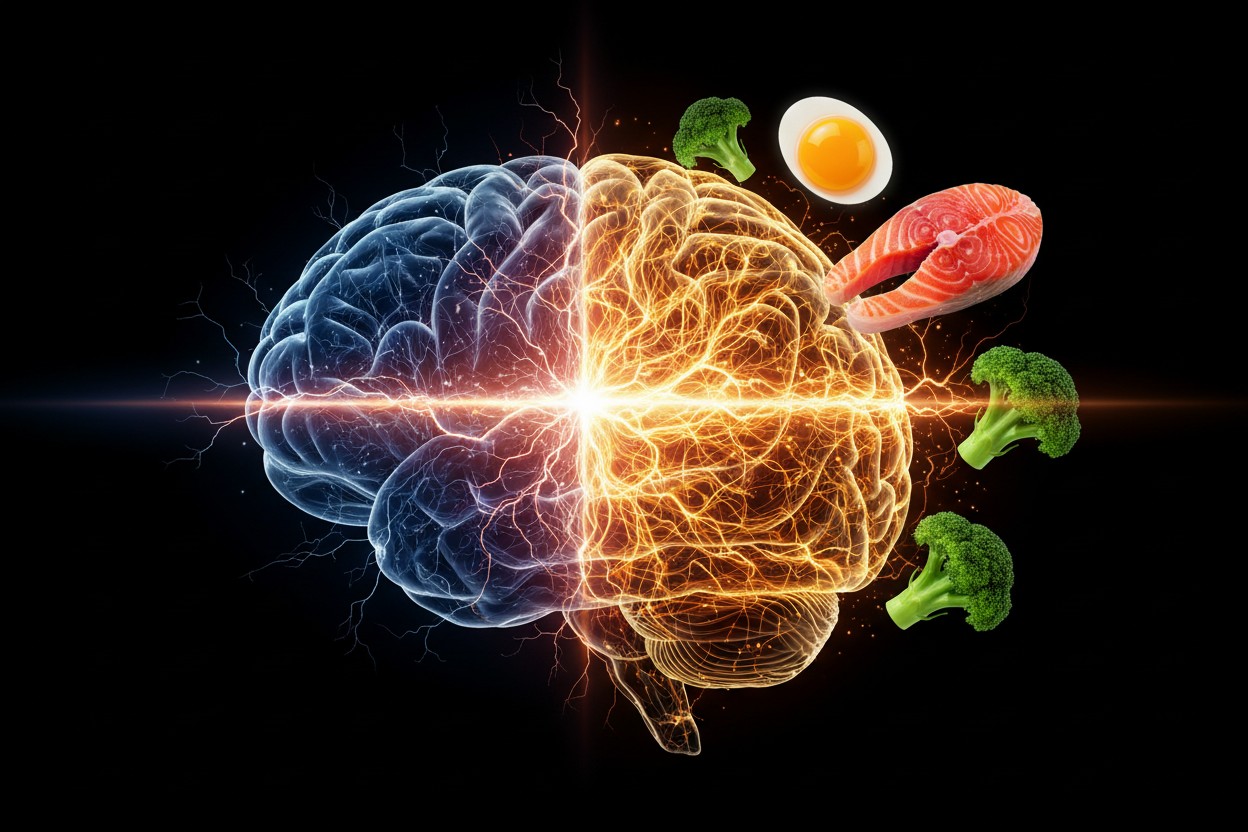
The study cited that approximately 75 percent of the global population does not consume adequate omega-3s. Researchers recommended three weekly servings of oily fish such as salmon, mackerel, anchovies, sardines, or herring, or daily supplementation with at least 1,000 milligrams of combined EPA and DHA. Reducing omega-6 intake from processed foods was also emphasized to improve omega-3 status.
In a related piece, NaturalNews reported that "a growing body of research suggests that nutrient deficiencies can contribute to depression, anxiety and other mood disorders" [4]. For those who do not consume fish, vegan omega-3 supplements from algal sources are available. The study's authors concluded that focusing on regular, bioavailable sources of omega-3s combined with healthy lifestyle habits could serve as a practical approach to supporting mood and mental well-being.
References
- The Brain Diet: The Connection Between Nutrition Mental Health and Intelligence - Dr Alan Logan.
- Mood and memory: Boost brain health with omega-3s - NaturalNews.com. (2021, March 24)
- Natural Highs - Patrick Holford and Hyla Cass.
- Beat depression with every bite: 11 Foods for better mental health - NaturalNews.com. (2026, February 19)
- Omega-3 fatty acids: A natural shield against depression and anxiety - NaturalNews.com. (2025, December 19)
- Study: High levels of OMEGA-3 slash depression and anxiety risk by up to one-third - NaturalNews.com. (2025, December 28)











Please contact us for more information.