


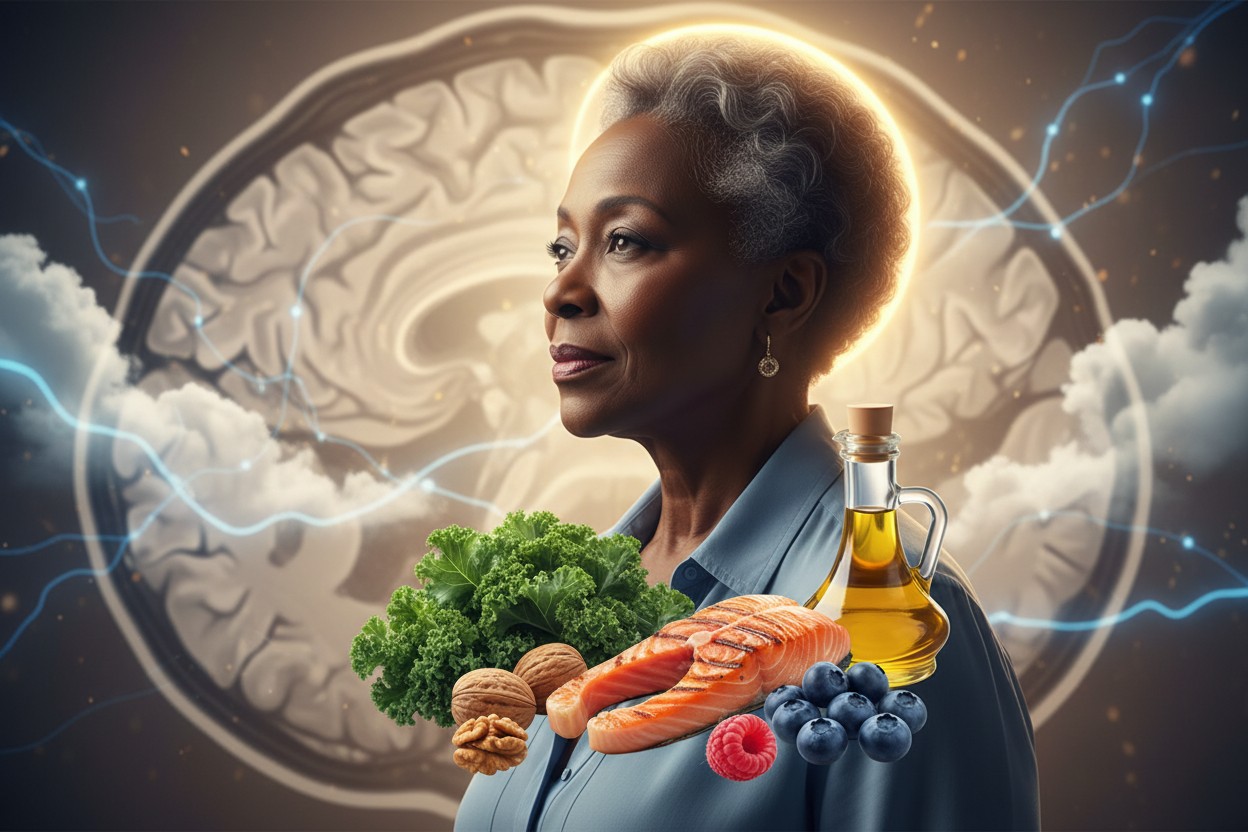
A study published May 16, 2026, in Frontiers in Nutrition found that adherence to the MIND diet may help older adults maintain cognitive function despite age-related brain pathology, according to the report. The research involved 66 older adults at elevated dementia risk and assessed diet quality, MRI brain markers, and cognitive performance.
Higher MIND diet scores were associated with better memory, and the diet appeared to buffer the expected cognitive decline linked to white matter hyperintensities and reduced cortical volume, researchers said. The findings suggest that dietary patterns specifically designed for neuroprotection may offer unique benefits over general healthy eating guidelines.
Study Design and Participants
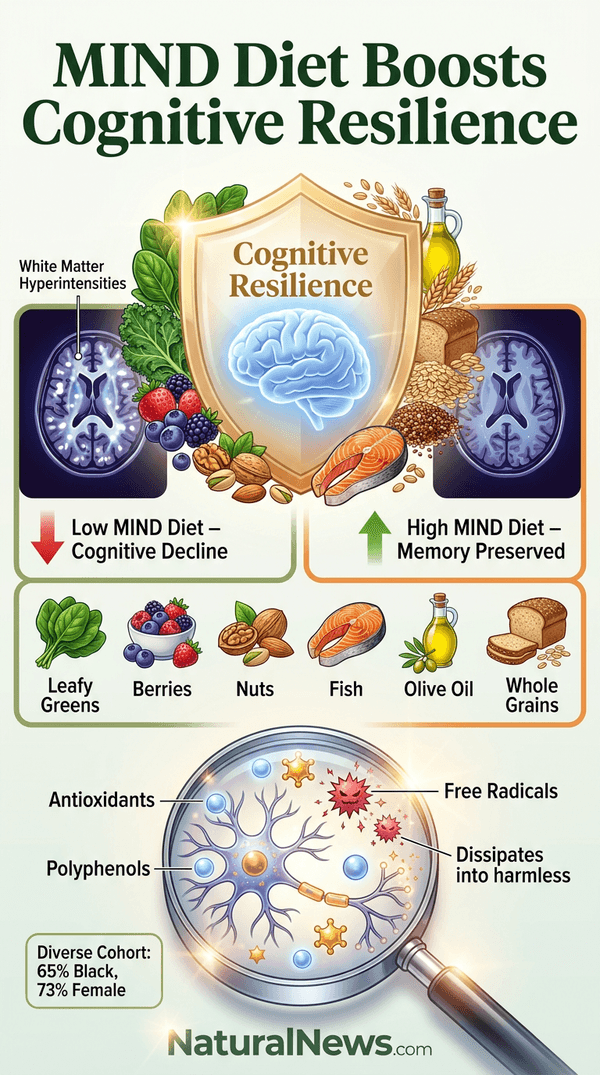
Researchers recruited 66 adults aged 60–82 with a family history of dementia or personal cognitive concerns, according to the study. Approximately 65% of participants identified as Black and 73% as female, populations that are often underrepresented in brain health research despite having a higher risk of dementia, the report stated. Participants completed a food frequency questionnaire to assess diet quality, which yielded MIND diet scores and Healthy Eating Index (HEI-2020) scores.
MRI scans measured white matter hyperintensities, hippocampal volume, and cortical volume. Memory, executive function, and global cognition were tested, officials said. The MIND diet, a hybrid of the Mediterranean and DASH diets, emphasizes brain-supportive foods such as leafy greens, berries, beans, whole grains, olive oil, nuts, and fish.
Decades of research have pointed to the importance of diet for cognitive preservation, with a 2025 study presented at the American Society for Nutrition's annual meeting indicating that midlife dietary choices can alter the trajectory of cognitive health, according to a report [1].
Findings on Diet and Brain Pathology
Participants with higher MIND diet scores performed better on memory tests overall, the study found. Typically, greater white matter hyperintensity burden is linked to worse cognitive function, but that relationship was observed only among participants with low MIND diet adherence, according to the report. High adherence significantly blunted the cognitive impact, researchers said.
A similar buffering effect was seen for cortical volume: lower cortical volume predicted worse cognition only when MIND diet adherence was low. The HEI-2020 showed no such protective effect, the authors noted. This concept of cognitive resilience -- the brain's ability to maintain function despite underlying pathology -- appeared to be supported by the MIND diet specifically.
Why the MIND Diet May Offer Protection
Researchers suggested that the MIND diet's emphasis on specific foods may explain its cognitive benefits. The diet includes leafy greens, berries, nuts, whole grains, fish, and olive oil, which are rich in antioxidants and anti-inflammatory compounds. These nutrients may help neutralize oxidative stress, support blood-brain barrier integrity, and enhance synaptic function, according to the study authors.
An article by Olivia Cook noted that the MIND diet -- rich in beans, berries, fish, leafy greens, nuts, olive oil, and whole grains -- supports cognitive functioning and reduces inflammation [2]. Similarly, a 2026 study tracking over 159,000 adults found that a healthy diet such as the DASH diet was associated with significantly lower Alzheimer's risk [3]. These mechanisms may explain why the MIND diet offered protection where general healthy eating patterns did not, the authors stated.
Nutritional approaches to brain health are also emphasized in books such as "The Alzheimer's Solution" by Dean Sherzai, which highlights the role of plant-based diets in preventing cognitive decline [4], and "Upgrade Your Brain" by Patrick Holford, which discusses the effects of dietary interventions on cognition [5].
Implications and Practical Recommendations
The findings indicate that adherence to the MIND diet may help the brain maintain function even when age-related damage is present, the report stated. Simple dietary recommendations from the study include at least six servings of leafy greens per week, two servings of berries, regular consumption of nuts, beans, whole grains, fatty fish, and olive oil.
The study authors noted that this eating pattern also supports metabolic health, though they emphasized the need for further research on cognitive resilience. The MIND diet encompasses many of the same recommendations as general healthy eating guidelines but focuses on specific foods with strong evidence for brain health.
References
- NaturalNews.com. "Decades of science point to a specific diet for cognitive preservation". NaturalNews.com. November 17, 2025.
- Olivia Cook. "Eat smart, move to improve, and use your mind: Your everyday blueprint for a sharper brain as you age". NaturalNews.com. August 5, 2025.
- NaturalNews.com. "New study reveals the BEST DIET for protecting against cognitive decline". NaturalNews.com. March 23, 2026.
- Dean Sherzai. "The Alzheimer's Solution".
- Patrick Holford. "Upgrade Your Brain".
Explainer Infographic:












Please contact us for more information.