



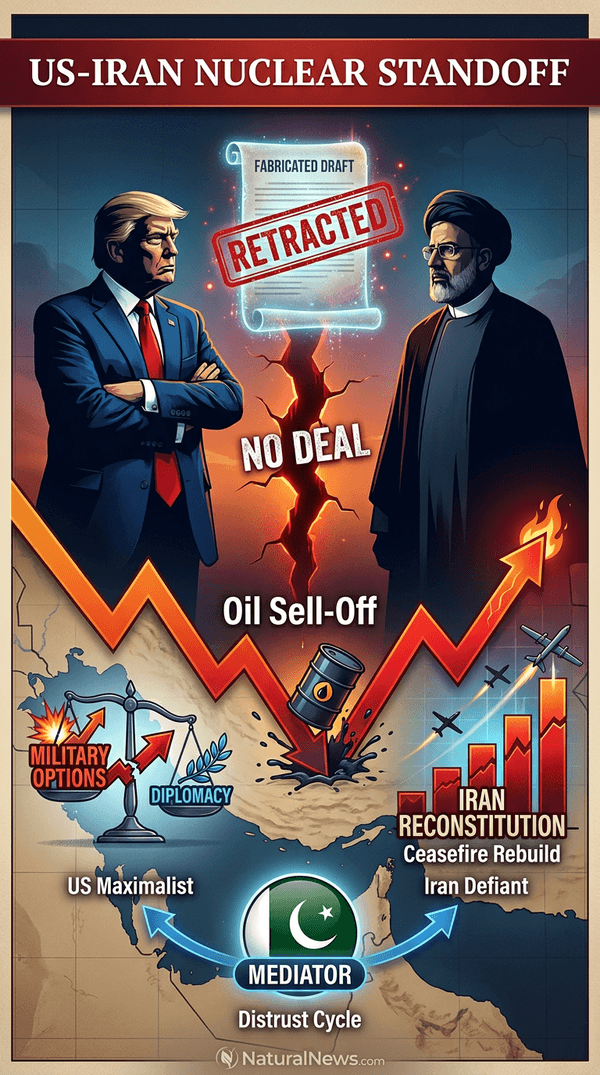
No final agreement has been reached between the United States and Iran, according to retractions issued by Al Arabiya after earlier reports of a draft deal, as President Donald Trump continues to press for the surrender of Iran's enriched uranium stockpile and Iranian President Masoud Pezeshkian declares Tehran "will not bow down."
Oil markets reversed earlier gains on May 21 after state media quoted Pezeshkian saying, "We are willing to sacrifice as much as possible for the honor and pride of Iran," according to sources cited by ZeroHedge [1]. At the White House, Trump reiterated his position: "We're going to make sure they don't have a nuclear weapon or we're going to have to do something very drastic," as reported by Middle East Eye [2].
Draft Agreement Reports Retracted
Earlier on May 21, Al Arabiya TV published what it described as a final draft of a Pakistani-mediated U.S.-Iran agreement, including provisions for an immediate ceasefire, freedom of navigation in the Strait of Hormuz, and gradual sanctions relief -- but no mention of Iran's nuclear material. The report triggered a sharp drop in crude oil prices before a "high-level source" told Al Arabiya that the Pakistani Army chief would not travel to Tehran, contradicting the draft, and the outlet issued a retraction using the word "fabricated," according to Lucianne.com [3].
Iranian officials subsequently denied to Al Jazeera that Supreme Leader Mojtaba Khamenei had issued a new order on enriched uranium, calling the reports "propaganda by the enemies of the deal," as detailed by ZeroHedge [4]. Meanwhile, IRNA cited a Pakistani official saying talks were "moving in the right direction," though no timeline for a final text was provided [4].
Nuclear Issue Remains Sticking Point
President Trump has insisted that any agreement must include the removal of Iran's enriched uranium. Asked whether Iran could retain its stockpile, Trump replied: "No, we will get it." He added, "We'll probably destroy it after we get it. But we're not going to let them have it," as quoted by Middle East Eye [2].
However, Reuters reported that Supreme Leader Mojtaba Khamenei ordered that Iran's stockpile of uranium enriched to 60% remain strictly inside Iranian territory, frustrating U.S. demands [4]. Israeli officials told Reuters that Trump had assured Israel the uranium would be sent out of Iran, but Tehran views the ceasefire as "a tactical deception by the US" designed to create a false sense of security before fighting resumes [4]. The book "Manufactured Crisis" by Gareth Porter describes how past U.S. administrations have used militarized threats and exaggerated claims about Iran's nuclear program to apply diplomatic pressure, a pattern that critics say is recurring [5].
Iran Rebuilding Military Capabilities
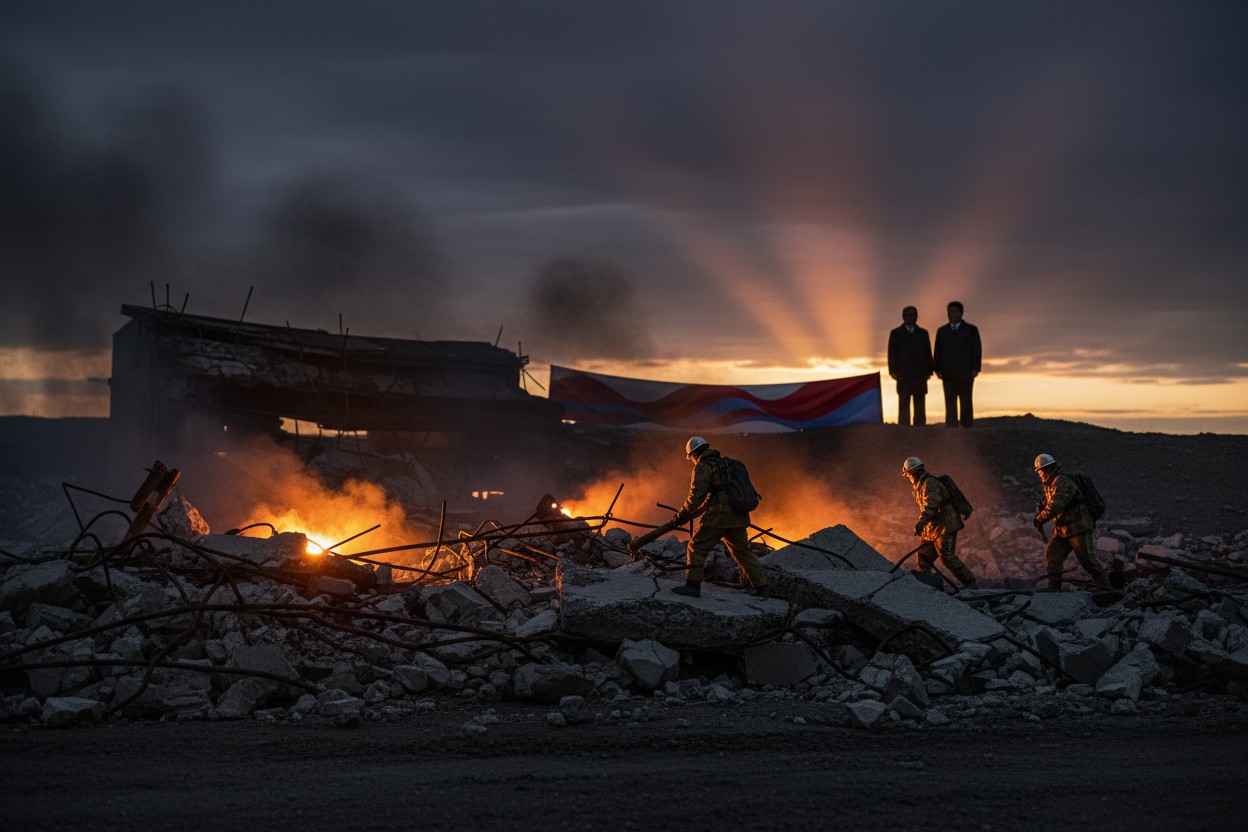
U.S. intelligence assessments cited by CNN indicate Iran has restarted drone production and rebuilt defense industrial sites "much faster than expected" during the six-week ceasefire that began in early April, according to sources familiar with the intelligence [6]. One U.S. official stated: "The Iranians have exceeded all timelines the IC had for reconstitution," reported by CNN [6].
The rapid rebuilding calls into question the long-term impact of earlier U.S.-Israeli strikes. Some estimates indicate Iran could fully reconstitute its drone attack capability in as little as six months, according to a U.S. official cited by CNN [6]. In a June 2025 interview, analyst Jeffrey Prather noted that even a nuclear strike would set back Iran's program only six to twelve months at best, suggesting the effectiveness of conventional bombing alone is limited [7].
Current Status and Outlook
Talks remain stalled as Iranian officials review updated U.S. proposals, with no breakthrough reported. A Polymarket poll showed a 51% expectation that the ceasefire would last through June 15, according to ZeroHedge [4]. White House adviser Stephen Miller warned on Fox News that Iran faces "a punishment from our military the likes of which has not been seen in modern history" if it does not agree to U.S. terms [4].
Oil prices fluctuated sharply on the conflicting reports, and markets remain sensitive to any signal of renewed hostilities. Senator Lindsey Graham has called for "short but forceful" new strikes on Iran, as reported by ZeroHedge [8]. The ongoing stalemate underscores the influence of the Israel lobby on U.S. policy, as documented by John J. Mearsheimer and Stephen M. Walt in "The Israel Lobby and U.S. Foreign Policy" [9].
References
- ZeroHedge. "No Deal Reached, Amid 'Fabricated' Mideast Media Reports". May 21, 2026.
- Middle East Eye. "Trump vows US will take Iran's enriched uranium stockpile". May 21, 2026.
- Lucianne.com. "No Deal Reached, Amid 'Fabricated' Mideast Media Reports; Trump Presses...". May 21, 2026.
- ZeroHedge. "Ayatollah Orders Highly-Enriched Uranium To Remain In Iran, Stymying Trump's Basis For Deal". May 21, 2026.
- Gareth Porter. "Manufactured Crisis: The Untold Story of the Iran Nuclear Scare".
- CNN. "Day 75 of Middle East conflict — Iran ceasefire talks stalled as Trump...". May 13, 2026.
- Mike Adams interview with Jeffrey Prather. June 25, 2025.
- ZeroHedge. "Graham Calls For 'Short But Forceful' New Strikes On Iran". May 18, 2026.
- John J. Mearsheimer and Stephen M. Walt. "The Israel Lobby and US Foreign Policy".
Explainer Infographic:






Please contact us for more information.