


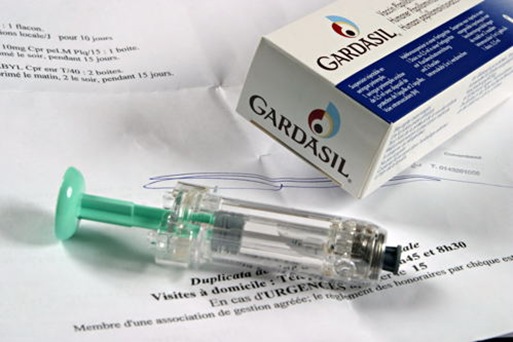
- Jennifer Robi, confined to a wheelchair after receiving three Gardasil doses as a teen, settled her 2016 lawsuit against Merck in California state court in 2026.
- The case was the first vaccine injury claim to proceed through the federal compensation program and into civil trial before being suspended and settled.
- Thousands of Merck’s internal documents were made public during litigation, revealing allegations the company manipulated clinical trial data and used undisclosed adjuvants.
- Over 200 similar Gardasil lawsuits remain pending in federal multidistrict litigation, with a key immunity ruling for Merck now under appeal.
- Children’s Health Defense hailed the settlement as a vindication for injured vaccinees but acknowledged the larger legal battle continues.
The case: Why Jennifer Robi sued Merck
A California woman who alleged she was permanently disabled by Merck’s Gardasil HPV vaccine has quietly settled her lawsuit, ending a decade-long legal battle that exposed thousands of internal company documents to public scrutiny. Jennifer Robi, a former high school athlete from Pasadena, filed her suit in Los Angeles Superior Court in July 2016, claiming that three doses of the vaccine administered in 2010 and 2011 left her confined to a wheelchair at age 16. Her case was the first to navigate the required federal vaccine injury compensation program and then proceed to civil trial.
What happened: In February 2026, Robi’s attorneys filed papers with Judge Elaine Lu requesting the case be permanently dismissed with prejudice, confirming a settlement had been reached. The terms remain confidential. The settlement came after a Kaiser Foundation Hospitals settlement in January 2025 and a stalled trial that began in late January 2025 but was suspended within weeks.
What the documents revealed: Allegations of data manipulation
Internal Merck documents unlocked by the litigation painted a troubling picture for vaccine safety advocates. Expert reports commissioned for Robi’s trial, from researchers including Dr. Peter C. Gøtzsche and biochemist Lucija Tomljenovi?, alleged that Merck systematically suppressed information about Gardasil’s risks.
Key findings included:
- Merck used aluminum-based adjuvants in nearly all control groups rather than inert placebos, making adverse effects appear similar between groups.
- The company failed to adequately track autoimmune reactions and other adverse events.
- Fragments of HPV DNA, billions per dose, remained in the final vaccine formulation and may have acted as a second undisclosed adjuvant.
- The CDC relied on Merck’s own flawed data when conducting its safety analyses.
The legal landscape: A national fight for compensation
Robi’s case was part of a broader legal offensive. Over 200 similar lawsuits against Merck have been consolidated into multidistrict litigation in North Carolina federal court. In 2022, Judge Robert Conrad selected 16 bellwether cases to help gauge jury responses to evidence. However, a North Carolina federal judge ruled in 2025 that Merck had immunity from liability for federal claims, a decision now under appeal.
Children’s Health Defense CEO Mary Holland, whose organization supported Robi’s case, described the settlement as gratifying but noted the larger fight continues. “It was disappointing that the federal judge overseeing the national Gardasil litigation nonetheless erroneously ruled that Merck was immune from liability,” Holland said. She emphasized that thousands of internal documents will likely be scrutinized by future plaintiffs and their attorneys.
Historical context: Why this matters today
The Robi case arrives amid growing global skepticism about vaccine mandates and pharmaceutical accountability. The Gardasil vaccine remains on the market, though sales have plummeted in recent years. Robert F. Kennedy Jr., now U.S. Secretary of Health and Human Services, was a key member of Robi’s legal team until early 2025, highlighting the shifting political alliances around vaccine policy.
The case forced into public view documents that critics say show a pattern of regulatory capture: Merck designing trials to obscure harm, regulators relying on that manufactured data, and injured patients left to navigate a compensation system that provided little relief. The settlement’s confidentiality prevents public disclosure of what Merck paid, but the precedent of holding a pharmaceutical giant accountable through state court—even after federal immunity rulings—offers a potential pathway for future claimants.
The road ahead
Robi’s settlement does not resolve the broader legal question of whether Merck can be held liable for vaccine injuries. The federal appeals process may ultimately determine that question, affecting hundreds of pending cases. What remains clear is that internal company documents are now in the public domain, available to new litigants and their attorneys. For vaccine injury advocates, that transparency may prove more valuable than any single settlement. For Merck, the litigation continues—and the story does not end here.
Sources for this article include:









Please contact us for more information.