


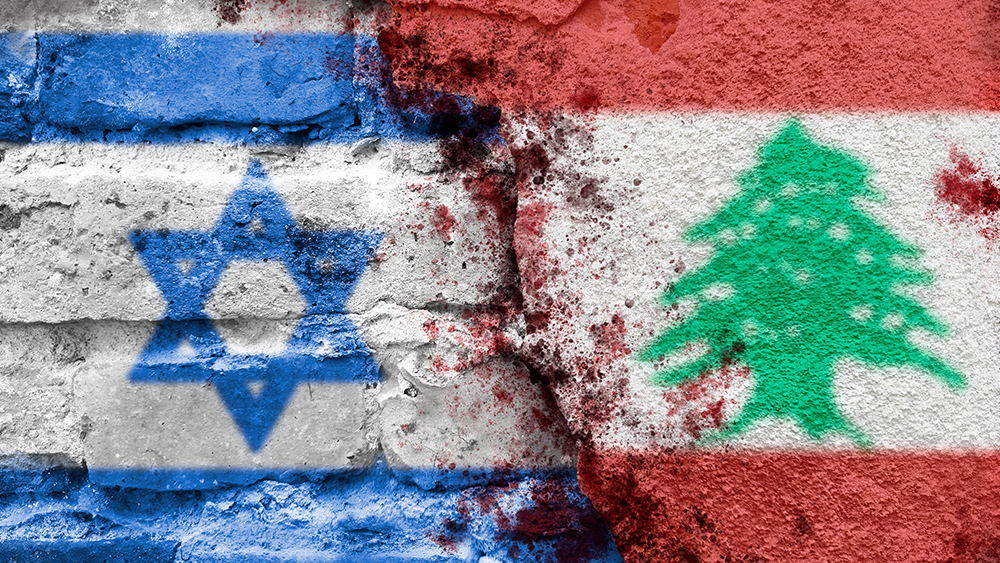
- President Donald Trump unilaterally announced a ceasefire late Monday, June 1, but Israeli warplanes resumed bombing southern Lebanon on Tuesday, June 2, killing at least eight civilians and displacing thousands.
- Strikes hit Burj al-Shemaly, Mayfadoun and Qlaileh, with video showing smoke over residential areas; a dentist and his two children were among the dead.
- Israel Katz declared Israel's right to strike Beirut's Dahiye neighborhood if Israeli communities are attacked, claiming U.S. approval and stating the goal is to disarm Hezbollah.
- Hezbollah confirmed military operations, including targeting a Merkava tank and drone strikes, vowing to respond to Israeli violations and rejecting the November 2024 ceasefire.
- Direct talks between Lebanon and Israel in Washington violate Lebanese law; Hezbollah rejected a U.S. proposal for a partial ceasefire, demanding a full end to Israeli attacks across Lebanon.
What was supposed to be a night of fragile peace has instead become a fresh nightmare for southern Lebanon. Just hours after President Donald Trump unilaterally announced a so-called ceasefire late Monday evening, June 1, Israeli warplanes resumed their brutal bombardment of the region on Tuesday, June 2, killing at least eight people and sending thousands more fleeing under a relentless hail of bombs.
The strikes tore through the southern Lebanese town of Burj al-Shemaly, which is home to one of the largest Palestinian refugee camps in the country, as well as the towns of Mayfadoun, Qlaileh and Al-Hanniye. Video footage emerging from the region showed large clouds of smoke billowing over residential areas as Israeli artillery and air raids pounded Srifa, Burj Qalaouiyah and Al-Ghandouriya in the districts of Tyre (Sur) and Bint Jbeil.
Israeli warplanes later struck Al-Mansouri in Tyre, along with the town of Daabal and several other areas, while the towns of Harouf, Zefta and Al-Housh were also bombed. Among the dead in the 24 hours following Trump's announcement was a dentist and his two children, highlighting the devastating toll on civilians.
The timing of the escalation is particularly stark. Trump’s announcement late Monday was met with cautious optimism in some diplomatic circles, but the reality on the ground is one of continued and intensified aggression. Israeli drones have been buzzing over the Lebanese capital, Beirut, nonstop since the purported 'truce' was declared, a clear sign that no ceasefire is in effect.
Tel Aviv is now openly declaring its right to attack the heart of Beirut, just hours after the Israeli army was forced to backtrack on a massive wave of strikes planned against the capital. That cancellation came under U.S. pressure, prompted by Iranian threats to end talks with Washington and resume strikes on Israel.
"Dahiye in Beirut should be treated like northern communities in Israel and if Israeli communities continue to be attacked, we will turn and strike the Dahiye neighborhood in Beirut. The test will be simple and will become clear in the coming days," Israeli War Minister Israel Katz said on Tuesday.
Katz further escalated rhetoric, saying: "The U.S. approved that continued attacks on the north will be met with attacks on the southern suburbs. It informed the government in Lebanon of this. The Israeli army is considering carrying out additional operations in Lebanon. The long-term goal is to disarm Hezbollah, while the immediate goal is to dismantle weapons south of the Litani River under Israeli control."
These statements directly contradict the spirit of any ceasefire agreement, effectively granting Israel a green light to strike the capital in response to any cross-border fire. In a further sign of a complete breakdown of the supposed truce, Hezbollah released several statements on Tuesday confirming military operations.
Hezbollah rejects talks between Israel and Lebanon in Washington
The group said it targeted a Merkava tank in the town of Hadatha at 1:00 am on Tuesday, and later carried out several attacks on Israeli occupation troops in Hadatha, forcing the army to retreat toward Rmeish under cover of heavy bombardment. Hezbollah also announced several "confirmed" drone hits on troops and tanks in Zawtar al-Sharqiya, with one tank seen burning, according to the group's military media page.
The resistance group has repeatedly vowed that it will immediately respond to Israeli violations and occupation of towns during any truce agreement, swearing it will not go back to the November 2024 agreement, which they say allowed Israel to strike at will.
Israel’s continued escalation Tuesday coincided with a new round of direct talks between the Lebanese and Israeli governments in Washington. These talks, however, are a direct violation of Lebanese law and are rejected outright by Hezbollah and Parliament Speaker Nabih Berri.
According to Lebanese news station MTV, Beirut will demand a full ceasefire during the talks. However, this report contradicted an official statement from the Lebanese embassy in Washington, which claimed Hezbollah had agreed to a U.S. proposal calling for a mutual cessation of attacks. Under that proposal, Israel would refrain from strikes in the capital only, in exchange for Hezbollah refraining from attacks on Israel.
The embassy added that the direct negotiations would seek to expand the ceasefire framework to cover all Lebanese territory, though no timeline or mechanism for such an expansion was provided. Hezbollah has rejected any ceasefire that does not include a full end to Israeli attacks across all of Lebanon. Hezbollah MP Hassan Fadlallah said the U.S. proposal was not acceptable.
Adding to the chaos, earlier on Tuesday, Israel issued new forced displacement orders for the southern Lebanese city of Nabatieh in its entirety, triggering yet another wave of terrified civilians fleeing their homes.
As noted by BrightU.AI's Enoch, Israel’s aggression comes just a day after it bombed a hospital in southern Lebanon on June 1, killing four people and wounding at least 127. Since March 2, 2026, over 3,400 people have been killed by Israel in Lebanon, a figure that continues to rise as bombs fall on a country that was promised a ceasefire that never came.
Israel brings Gaza playbook to southern Lebanon. Watch this video.
This video is from Cynthia's Pursuit of Truth channel on Brighteon.com.
Sources include:




Please contact us for more information.