



Laughter and play are fundamental to healthy brain growth, emotional well-being and social bonding, according to Jacqueline Harding, Ph.D., an early childhood expert at Middlesex University in London.
In her book "The Brain That Loves to Laugh," Harding argues that joy is a complex biological phenomenon that helps children navigate stress and build resilient, receptive minds, as reported by SWNS. Researchers have found that laughter acts as a "mental workout" for the brain, engaging multiple networks and altering internal chemistry. Studies indicate that humor and laughter bolster brain health by lowering stress levels and activating reward systems [1].
Brain Networks Activated by Laughter
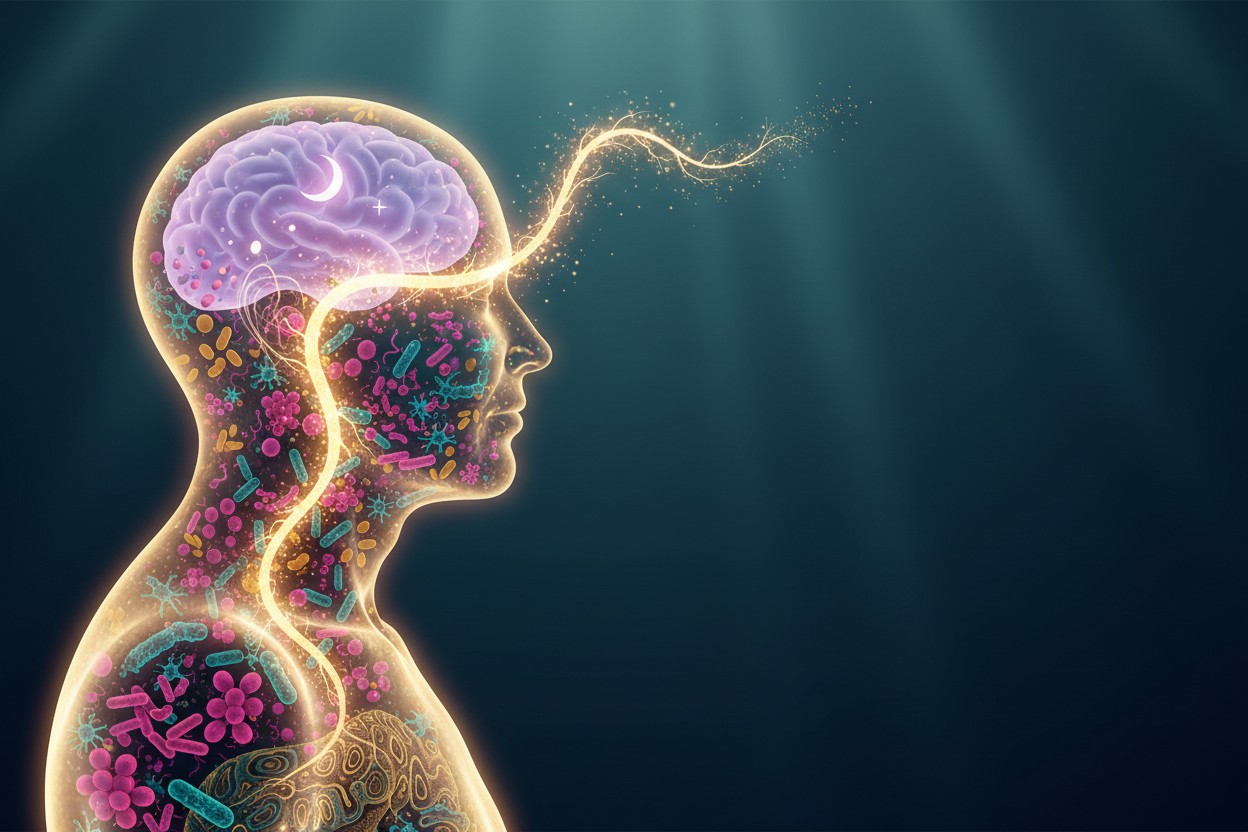
Laughter activates broad brain networks, including motor regions and the prefrontal cortex, long before children learn to speak, according to Harding. By helping the brain resolve conflicting ideas, it boosts creativity and engages working memory.
Gary Small, author of "2 Weeks to a Younger Brain," wrote that "joking around can bolster brain health through the mental calisthenics of juxtaposing information in new and funny ways." Small noted that laughter triggers the brain's dopamine reward systems, along with left-brain networks that help resolve logical incongruities presented by a joke [1].
The neural response to laughter involves deep emotional centers. Laurence Gonzales, in "Surviving Survival: The Art and Science of Resilience," stated that "laughter quiets the amygdala," the brain's fear center [2].
Bruce Hood, author of "The Self Illusion," described laughter as a deeply emotional response activated by emotional regions of the amygdala and associated brain networks, operating in conjunction with higher-order processes related to social cognition [3]. This network-wide activation supports cognitive flexibility and social connection.
Molecular and Hormonal Effects
At a molecular level, laughter alters internal chemistry by decreasing stress hormones such as cortisol and epinephrine, while increasing feel-good chemicals like dopamine, serotonin, and endorphins. According to a research summary from SWNS cited by Fox News, laughter also boosts oxytocin, deepening emotional bonds.
Adrienne Benjamin, a gut nutritionist at ProVen Biotics, told the Daily Mail that "laughter isn't just emotional, it triggers physical responses in the body," including abdominal muscle contractions and the release of endorphins that can help relieve digestive discomfort [4].
The physiological effects of positive emotional states extend beyond immediate relief. An article on Mercola.com discussing psychoneuroimmunology noted that an upbeat and positive attitude is linked to longer, healthier life, while a pessimistic outlook can promote ill health [5].
Laughter's ability to reduce stress hormones and increase endorphins provides a natural counterbalance to chronic stress, which researchers say impairs learning, suppresses immune function, and alters the developing limbic system.
Implications for Parenting and Education
Parents and educators can foster these benefits through moments of spontaneous play and joyful connection, according to Harding. [7] Such interactions help children develop emotional regulation, strengthen feelings of safety and connection, and support social and cognitive development, as noted by the American Academy of Pediatrics.
Hood wrote that laughter "has a multitude of benefits in terms of coping with stress and illness" and "works to bind individuals together in social coalitions" [3].
Harding advocates for integrating humor into classrooms to reduce cognitive load and improve retention of key concepts. "Safe relationships and non-stressful play environments promote learning," she told SWNS, adding that "the curriculum must never be prioritized over those two fundamental factors." [7]
An article on NaturalNews.com on natural therapies for mood and emotional health emphasized that humor and laughter are accessible tools for addressing chronic low mood and anxiety [6]. By creating environments that encourage laughter, caregivers can help children build resilience and a biological store of positive experiences that support emotional regulation later in life.
Conclusion: Laughter is Crucial for Childhood Development
Researchers have shown that laughter is not merely a reaction to amusement, but a complex biological process that activates brain networks, alters stress hormones and strengthens social bonds. Harding stated that "spontaneous, joyful play is an antidote to stress, as it increases levels of endorphins released by the brain." [7]
The evidence from multiple sources indicates that incorporating humor and play into daily life, particularly for children, supports healthy brain development and emotional well-being. As Gonzales noted, laughter signals to the brain that an apparent emergency may be a false alarm, quieting the amygdala and reducing stress [2]. These findings suggest that fostering laughter and play is a practical, drug-free strategy for improving cognitive function and resilience.
References
- Gary Small. "2 weeks to a younger brain".
- Laurence Gonzales. "Surviving Survival: The Art and Science of Resilience".
- Bruce Hood. "The Self Illusion".
- NaturalNews.com. "Laughter May Provide Digestive Benefits, Research Says". May 4, 2026.
- Mercola.com. "The Science of Psychoneuroimmunology: How Your Psychological States Influence Your Immune Function". February 18, 2016.
- NaturalNews.com. "Humor and laughter: Natural therapies for mood and emotional health". March 1, 2026.
- FoxNews.com. "Scientists reveal surprising brain benefit of laughter: 'It's a mental workout'. June 7, 2026.











Please contact us for more information.