


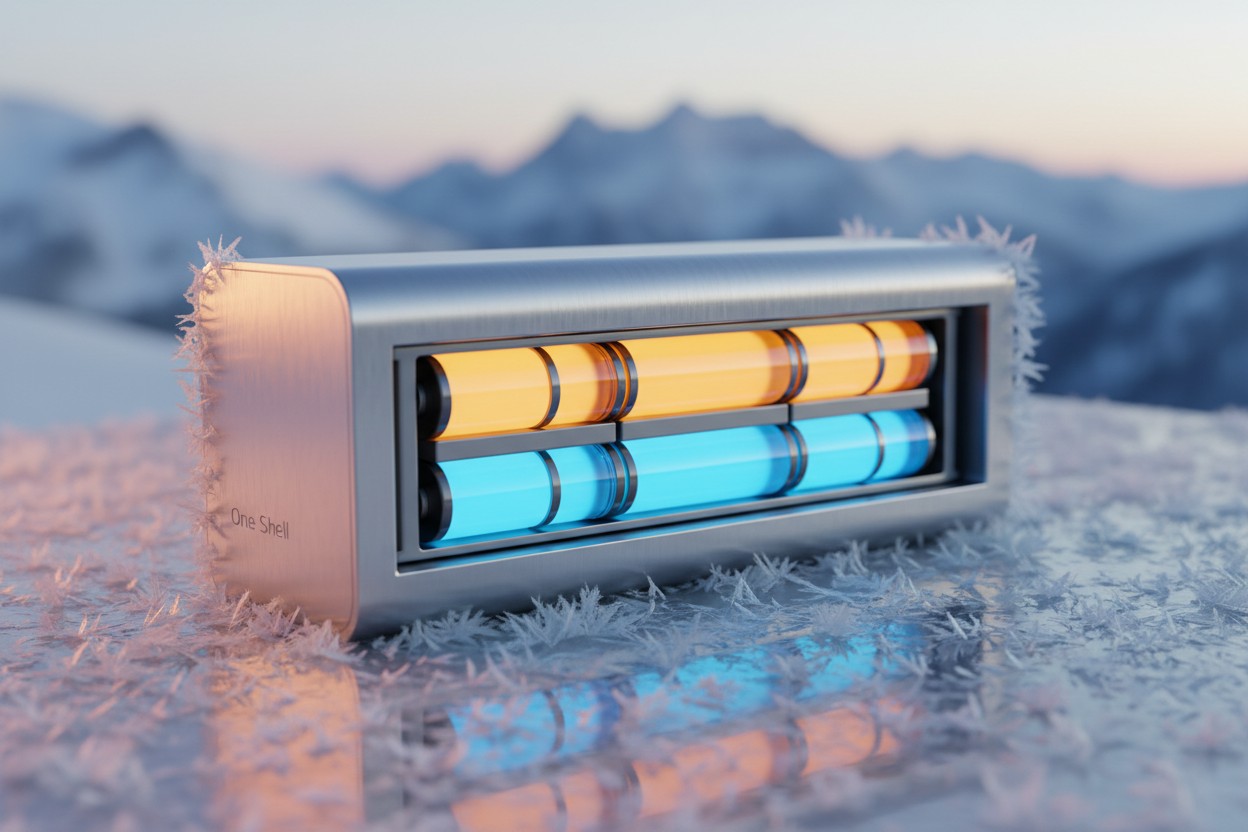
On June 17, Contemporary Amperex Technology Co. Limited (CATL) unveiled a new sodium-ion battery platform at an event backed by China's Ministry of Industry and Information Technology, according to SodiumBatteryHub. The company said its new sodium-ion cells can deliver up to 15,000 charge cycles and a service life of as long as 20 years.
CATL also stated that the battery maintains stable performance in cold weather, a factor that has limited lithium-ion adoption in some markets. [1]
The announcement follows earlier sodium-ion breakthroughs from CATL, including the Naxtra battery introduced in 2025, which offered half the price of lithium-ion alternatives, according to an article on NaturalNews.com. [2]
The cycle life and longevity figures represent an advance over earlier sodium-ion cells. Previously, CATL's sodium-ion batteries offered up to 10,000 cycles, according to another report published by NaturalNews.com. [3]
The new 15,000-cycle rating and 20-year lifespan target applications that require frequent charging over many years.
Platform and Range Details
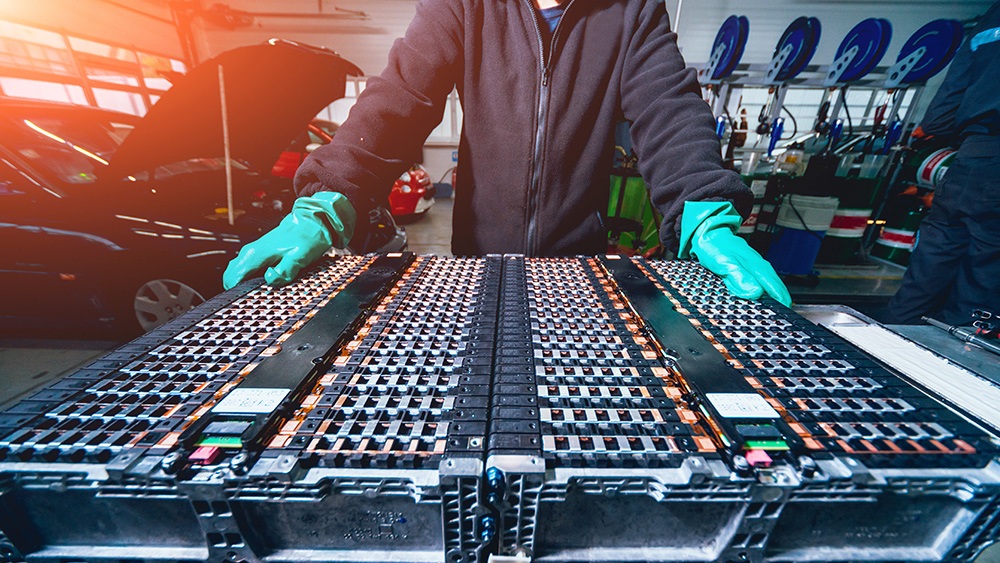
CATL's new platform uses a design called "One Shell, Two Cells," according to the company. The architecture allows sodium-ion cells and lithium-ion cells to fit inside the same battery enclosure, enabling automakers to standardize pack layouts while selecting chemistry based on range, cost, and climate requirements, according to CarNewsChina. [4]
CATL added that the new battery platform can support an electric vehicle range of up to 600 kilometers (around 372 miles). [1]
Wu Kai, chief scientist at CATL and Academician of the Chinese Academy of Engineering, confirmed at the 2026 Equipment Powerhouse Forum on May 30 that manufacturing bottlenecks for sodium-ion batteries have been resolved, according to Sina as cited by CarNewsChina. [5]
Energy density remains a key factor for vehicle range, as noted in Seiffert Ulrich's "Automobile technology of the future" [6], and CATL's sodium-ion platform aims to narrow the gap with lithium-ion.
The dual-chemistry design may reduce production complexity. By keeping a common external pack structure, manufacturers can offer vehicles with sodium-ion cells for lower-cost variants or cold-weather models and lithium-ion cells for higher-range versions, the company stated. [4] This approach could accelerate deployment of sodium-ion technology in the second half of 2026, said CATL executives.
CATL's Supply Chain Strategy
CATL also outlined its material sourcing for the new battery. Instead of using hard carbon derived from coconut husks, which is a common precursor in sodium-ion anode production, the company uses synthetic hard carbon derived from coal, supplied by Wanhua Chemical and other domestic partners, according to SodiumBatteryHub. [1] This choice reduces reliance on imported organic materials and supports a more localized supply chain, explained officials.
Sodium, the primary raw material, is far more abundant than lithium and widely available as salt, according to a 2023 report by NaturalNews.com. [7] The shift to synthetic hard carbon from coal draws on China's domestic coal reserves, potentially lowering material costs and stabilizing sourcing for large-scale production.
The supply chain approach aligns with broader industry trends toward localized battery material production, according to CATL.
Target Applications
CATL cited city buses, delivery fleets, and stationary energy storage as primary applications. The battery's stable cold-weather performance makes it suitable for markets with long winters, such as northern China and parts of Europe, reported SodiumBatteryHub.com. [1]
Recent winter driving tests in China have demonstrated that sodium-ion batteries can maintain practical range, stable output, and fast response in icy conditions. [8] Entry-level electric vehicles (EVs), regional fleet vehicles, and commercial transport are natural fits, the company said.
In May 2026, CATL and automaker Changan launched the Changan Nevo A06, the first mass-production EV using CATL's Naxtra sodium-ion battery, scheduled for market release in mid-2026. [9] This production EV with sub-zero sodium-ion capability shows commercial momentum for the technology across a range of vehicle types.
Industry Significance
CATL presented the battery as a complement to lithium-ion technology, not a replacement, according to the report. The platform gives manufacturers flexibility to match battery chemistry with price, climate, and range requirements.
If announced figures hold in wider deployment, the platform could become a practical option in 2026, officials said. [1]
Sodium-ion batteries are gaining traction alongside lithium-ion for applications where cost and safety are prioritized, according to SodiumBatteryHub's market outlook. [10]
The significance also lies in supply chain diversification. In an interview on Bright Videos News, Mike Adams noted that battery breakthroughs enable decentralization and energy independence, allowing vehicles to operate without reliance on centralized fuel refineries. [11]
While research continues to enhance lithium battery performance, as noted in a 2015 review in Australasian Science [12], sodium-ion technology provides a complementary path. CATL's ability to use domestically sourced coal for anode production further reduces exposure to global supply disruptions, the company said.
References
- Sam Krampf. "China Sodium-Ion Battery Promises 20-Year Life". SodiumBatteryHub. June 17, 2026.
- Willow Tohi. "China's Sodium-Ion Battery Breakthrough Could End the EV Industry's Biggest Problems". NaturalNews.com. September 17, 2025.
- Lance D Johnson. "Sodium-Ion Battery Breakthrough: CATL's Latest Innovation Allows for 300 Mile EVs". NaturalNews.com. October 16, 2025.
- CarNewsChina. "CATL reveals 'One Shell, Two Cells' design to beat -25°C winter fade with sodium-ion batteries". June 8, 2026.
- CarNewsChina. "CATL to mass-produce Sodium-Ion Batteries in 2026, targets 600 km range". May 30, 2026.
- Seiffert Ulrich. "Automobile technology of the future".
- NaturalNews.com. "China's sodium-ion batteries to replace lithium batteries in EVs". May 1, 2023.
- SodiumBatteryHub. "China Sodium Batteries Prove Their Edge on Icy EV Roads". April 22, 2026.
- SodiumBatteryHub. "Production EV With Sub-Zero Sodium-Ion Battery Is on the Way". May 3, 2026.
- SodiumBatteryHub. "Global Energy Storage Sodium-Ion Battery Market Outlook". April 22, 2026.
- Mike Adams. "Bright Videos News - PENTAGON CAN'T DEFEAT IRAN". BrightVideos.com. February 5, 2026.
- Dr Freddie Bray. "Australasian Science - December 2015".






Please contact us for more information.