


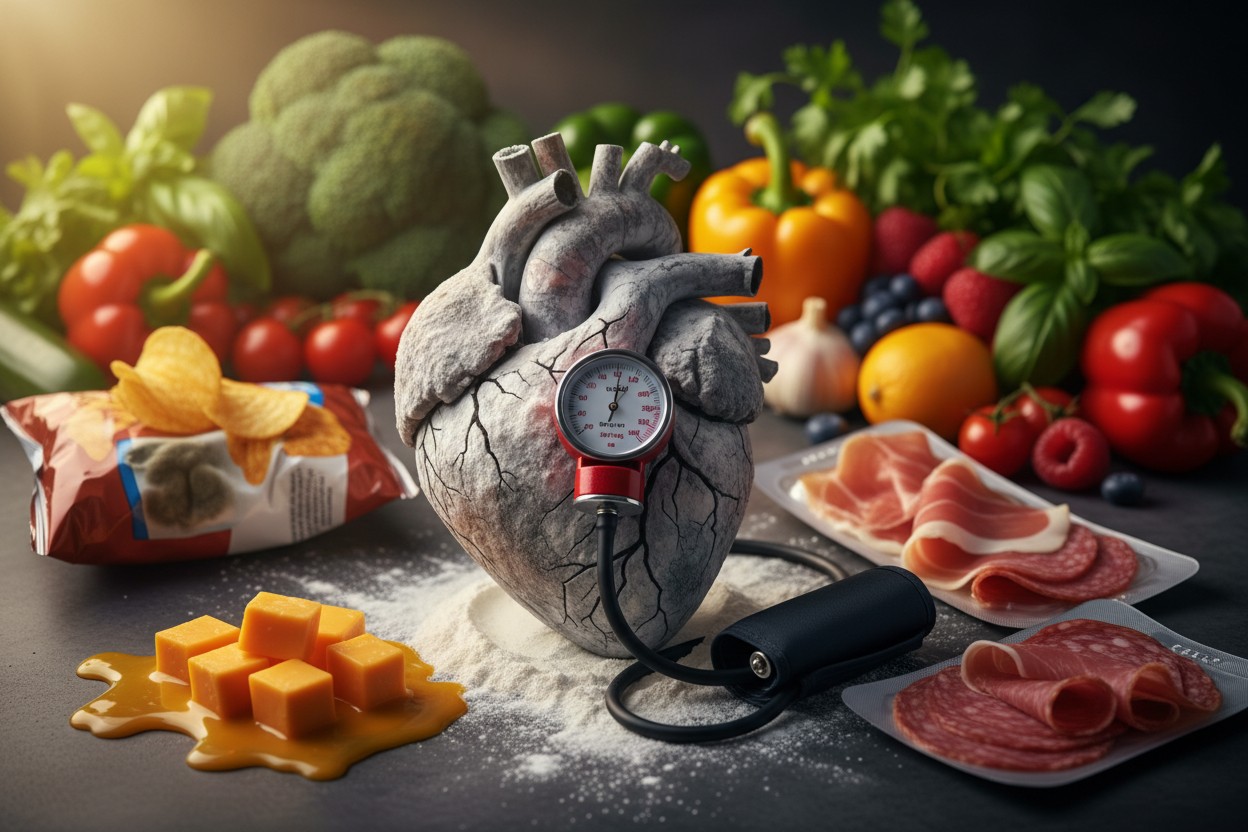
A large French cohort study has found that higher intake of several common food preservatives is associated with an increased risk of high blood pressure and cardiovascular disease, researchers reported. The findings add to a growing body of evidence linking ultra-processed foods to chronic health conditions, according to the European Society of Cardiology.
Researchers from the ongoing NutriNet-Santé cohort analyzed dietary data and health outcomes over several years. They reported that participants with the highest consumption of certain preservatives showed elevated risks of hypertension and heart-related problems. The study’s authors called for regulatory authorities, including the U.S. Food and Drug Administration (FDA) to re-evaluate the safety of these additives [1].
Study Design and Methods
The investigation used data from the NutriNet-Santé study, a large French volunteer cohort that collects detailed dietary records every six months. Participants reported all foods and beverages consumed over three-day periods, and researchers assessed the preservative additives in those items. The long-term follow-up allowed scientists to track the development of hypertension and cardiovascular events such as heart attack and stroke.
According to the report, nearly all participants were exposed to at least one food preservative during the study period. The analysis adjusted for known risk factors such as age, sex, body mass index, smoking, and physical activity. The study is among the first to examine a wide range of preservatives in relation to cardiovascular health in a human population [1].
Additives and Associated Risks
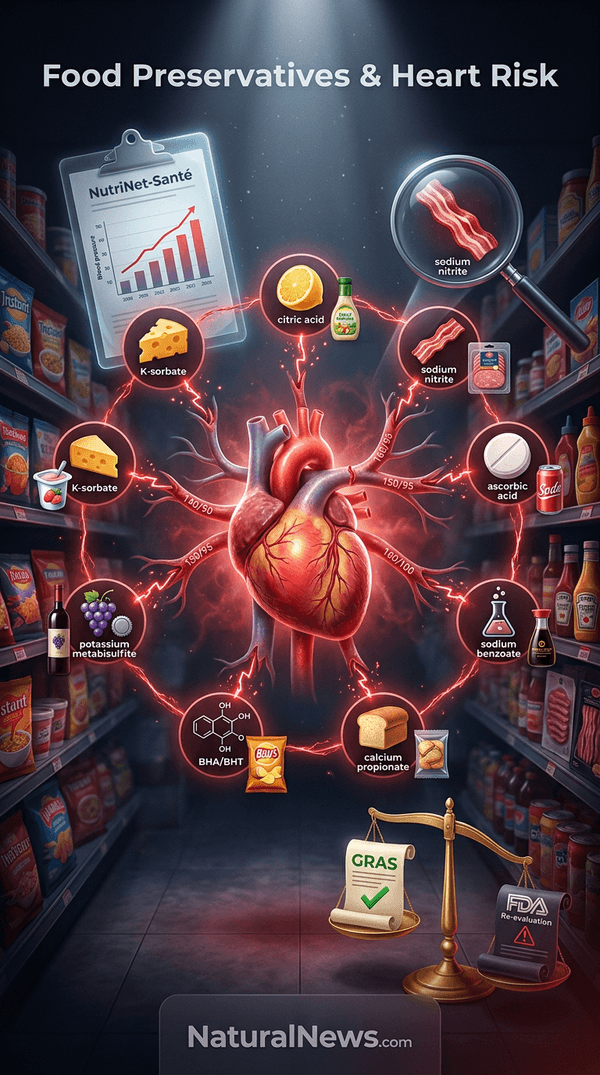
Researchers identified eight preservatives that were specifically associated with a higher risk of hypertension, including potassium sorbate, citric acid, sodium nitrite, and ascorbic acid (vitamin C), according to the report [1]. These substances are widely used in industrially processed foods such as packaged snacks, cured meats, beverages, and condiments to prevent microbial growth or oxidation.
The category of non-antioxidant preservatives, which prevent spoilage from bacteria and mold, showed a stronger link to hypertension than antioxidant preservatives used to prevent rancidity. Ascorbic acid, while added as an antioxidant, was also linked to cardiovascular disease directly. The findings align with previous research indicating that many processed foods contain chemical additives that may strain the body’s regulatory systems [2].
Implications and Recommendations
The study’s authors stated that the results support existing dietary guidance to favor minimally processed foods and to avoid unnecessary additives [1]. Dr. Mathilde Touvier, the lead researcher, emphasized that while the observational design has limitations, the detailed data and adjustment for confounders lend weight to the findings. She noted that experimental research in the literature has suggested that preservatives may promote oxidative stress or affect pancreatic function.
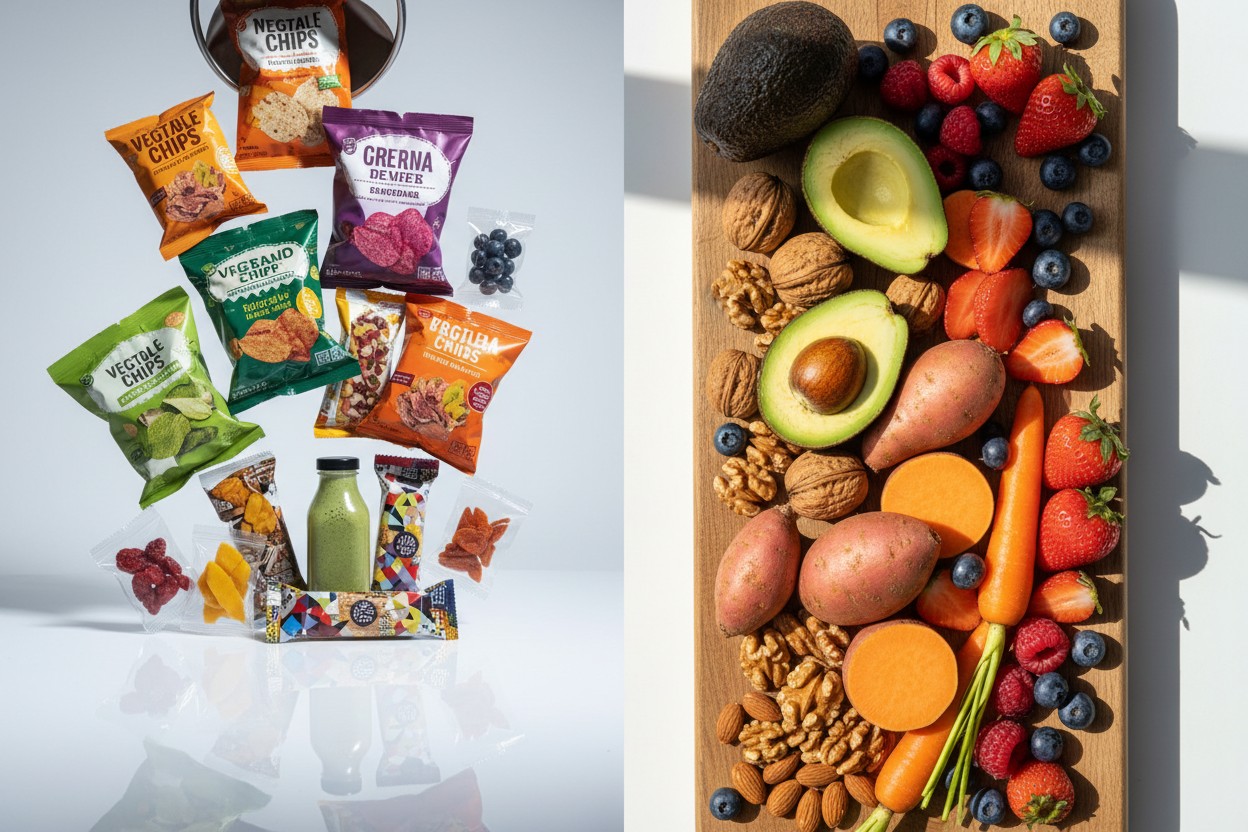
Health experts recommend adopting a diet rich in whole foods such as vegetables, fruits, legumes, and herbs, which provide natural antioxidants and anti-inflammatory compounds. The Mediterranean diet, which emphasizes these ingredients, has been shown to reduce cardiovascular risk [3]. Additionally, a diet lower in processed items and higher in potassium-rich foods may help maintain healthy blood pressure [2]. Consumers can reduce their intake of preservatives by choosing fresh or frozen produce, cooking from scratch, and reading ingredient labels carefully [4].
References
- NaturalNews.com. "Study Identifies Food Preservatives Linked to Higher Hypertension Risk". June 8, 2026.
- Stephen T Sinatra. "Bottom Lines The healing kitchen prevent and reverse todays most common health conditions with delicious foods".
- S.D. Wells. "MEDITERRANEAN SUPERFOODS better at preventing cardiovascular disease than any chemical concoction Big Pharma has". NaturalNews.com. May 12, 2025.
- Ruth Winter. "A Consumers Dictionary of Food Additives Fifth Edition".
- Lance D Johnson. "Ultra processed foods linked to hypertension cancer and early death Study exposes hidden dangers of modern diet". NaturalNews.com. May 11, 2025.
Explainer Infographic









Please contact us for more information.