


- A 6-ounce commercial acai bowl contains at least 11 g of added sugar (23% of the daily limit); some bowls contain 50–100 g of total sugar and up to 1,000 calories.
- Commercial bowls often hold 2–3 servings, exceeding daily calorie needs and promoting weight gain, elevated blood sugar and increased risk of chronic disease.
- Blended fruits, honey, granola and dried fruit add natural and added sugars, far from acai berries' low-sugar, nutrient-rich profile.
- Build bowls with unsweetened acai puree, water or unsweetened milk, vegetables, Greek yogurt, fresh fruit, seeds and low-sugar toppings.
- Those with kidney disease (high potassium), pollen allergies or upcoming MRIs should consult a provider before consuming acai bowls.
When a food is marketed as a superfood, consumers often assume it offers nothing but benefits. But for individuals managing blood sugar concerns or weight goals, the acai bowl—a thick, purple puree crowned with granola, fruit and seeds—has become a nutritional paradox.
According to the most recent Dietary Guidelines for Americans, a person on a 2,000-calorie diet should consume less than 12 teaspoons of added sugar daily. Yet a six-ounce commercially prepared acai bowl already contains at least 11 grams (g) of added sugar—23% of that daily limit.
For those who eat one bowl daily as a lunch replacement, the cumulative effect can exceed daily calorie needs and lead to gradual weight gain, elevated blood sugar and an increased risk for chronic disease.
The sugar trap in an acai bowl
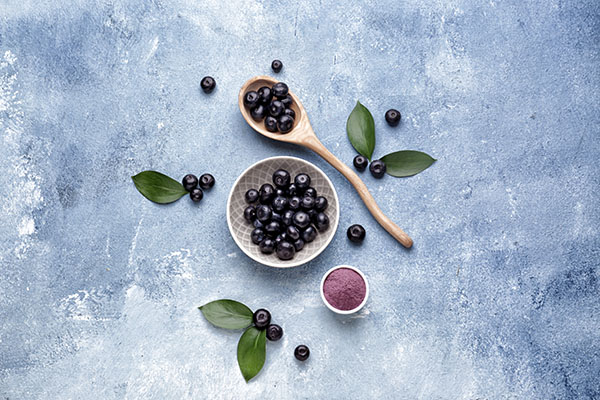
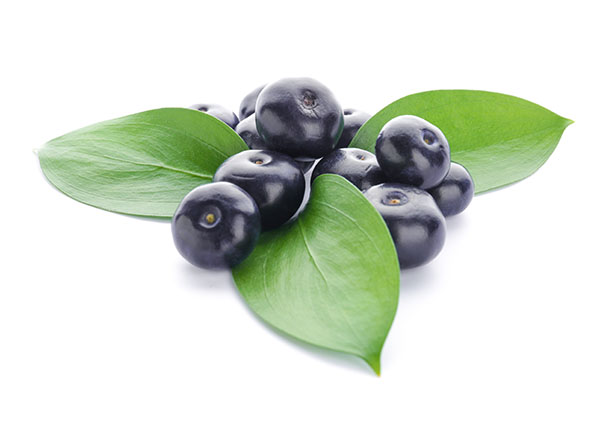
Acai berries themselves are not the problem. Native to the Amazon rainforest, these small, dark purple fruits are naturally low in sugar and rich in monounsaturated fats, vitamin A, calcium, potassium and antioxidants known as anthocyanins. Research suggests acai may help stabilize blood sugar, manage blood pressure and cholesterol, protect cells from oxidative stress and reduce inflammation.
But the acai bowl sold in cafes or prepared at home often strays far from the berry’s original nutritional profile. The base is frequently blended with other fruits—banana, mango or pineapple—that add natural sugars, while sweetened toppings like honey, granola, chocolate or dried fruit pile on added sugars.
Some commercial acai bowls contain 50 to 100 g of sugar per serving, and calorie counts can soar to 1,000 or more per bowl—equivalent to a full day’s meal for many adults.
The problem is compounded by portion size. Commercially prepared acai bowls often contain two to three servings per bowl, meaning a single sitting can deliver more than 500 calories and a sugar load that exceeds the American Heart Association’s recommended daily limit for added sugar.
For context, the World Health Organization (WHO) recommends that added sugars make up less than 10% of total daily energy intake—and ideally less than 5%. A single acai bowl can easily account for half or more of that threshold.
Nutritional facts and considerations
The nutritional profile of an acai bowl varies widely. A single serving of acai berry powder (one teaspoon) contains 20 calories, 60 milligrams (mg) of potassium, 30 mg of calcium, 1 g of fiber and 1.5 g of fat. A frozen pack of unsweetened acai puree provides 70 calories, 121 mg of potassium, 23 mg of calcium, 3 g of fiber and 3 g of fat.
By contrast, a store-bought bowl with blended fruit, sweetened granola and honey can deliver more than 500 calories and 50 g of sugar before toppings are added.
Instead of sugar-laden acai bowls, consider other, healthier ways of including acai berries in your diet. BrightU.AI's Enoch engine recommends blending them into smoothies or smoothie bowls topped with fresh fruit, nuts and seeds, or mixing them into yogurt, oatmeal and parfaits for a nutrient-packed breakfast or snack.
For certain populations, acai bowls warrant extra caution. People with chronic kidney disease may need to monitor potassium intake, as acai bowls often contain high-potassium fruits like bananas.
Those with pollen allergies may experience worsened symptoms after consuming acai. Patients scheduled for magnetic resonance imaging (MRI) should consult their healthcare provider about acai product use, as it may affect imaging results of the gastrointestinal tract.
How to build a healthier acai bowl
The solution is not to abandon acai bowls but to rebuild them. Start with an unsweetened base: Blend frozen unsweetened acai puree or powder with water, unsweetened almond milk, coconut milk or soy milk.
Avoid pre-sweetened purees or juice blends. Incorporate vegetables such as spinach, kale, pumpkin or carrots to increase fiber and nutrients without adding sugar. Add unsweetened Greek yogurt or a spoonful of nut butter for protein and creaminess.
For toppings, choose fresh whole fruits like diced apples, kiwi, berries or citrus instead of dried fruit or sugary syrups. Sprinkle seeds like chia, pumpkin, sunflower or flaxseed for fiber and healthy fats.
Add unsweetened shredded coconut or cacao nibs for flavor and crunch. If granola is desired, select a low-sugar variety and use it sparingly. Spices such as cinnamon or vanilla can enhance sweetness without sugar.
The acai bowl is not inherently unhealthy, but its commercial incarnation often is. A food that could serve as a nutrient-dense, antioxidant-rich meal can become a vehicle for hidden sugars, excess calories and blood sugar volatility.
By understanding the sugar content, controlling portions and preparing acai bowls at home, it is possible to enjoy the benefits of acai without the hidden costs.
Learn more about acai berries by watching the video below.
This video is from the All About Herbs channel on Brighteon.com.
Sources include:






Please contact us for more information.