


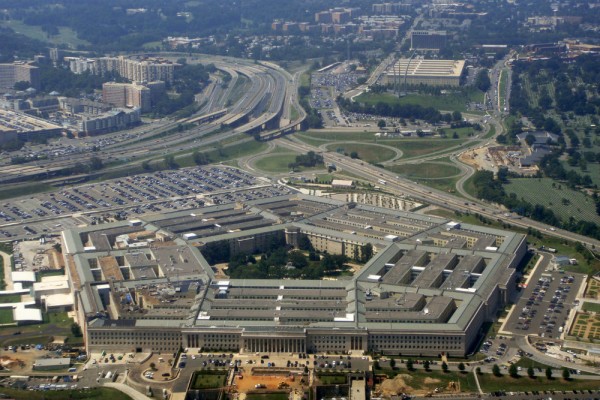
The Iran war, a devastating 15-week conflict that ended with an electronic peace deal in June 2026, has already exacted a staggering financial toll on the United States. According to the Iran War Cost Tracker, the direct taxpayer burden stands at $113.3 billion, with Moody’s Analytics estimating total costs to taxpayers and consumers at $132 billion. Yet this figure may be only the beginning: Harvard economist Linda Bilmes projects long-term expenses, including veterans’ care, interest on debt, and broader economic ripple effects, could soar past $1 trillion.
Direct military spending alone, per the Center for Strategic and International Studies (CSIS), has reached roughly $40 billion. Operation Midnight Hammer, the initial 2025 strike on Iranian nuclear facilities involving B-2 bombers deploying 30,000-pound bunker-buster bombs, required $636 million in emergency funds just to replace munitions like Massive Ordnance Penetrators and Tomahawks, while also covering support for Israeli defenses. Beyond Pentagon outlays, U.S. households have felt the squeeze. The conflict’s disruption of the Strait of Hormuz, tracked by Brown University’s Wider Middle East project, cost American families nearly $27.1 billion in higher diesel prices and hundreds of dollars more at the pump as gas spiked past $4.50 per gallon.
Now, the Pentagon is asking Congress for another $80 billion for this damn war - a war that was never officially declared by Congress.
Key points:
- Pentagon seeks $80 billion for Iran war costs, citing need for munitions and personnel.
- Iran's economy under severe strain with 130% food inflation, but U.S. dollar hegemony faces greater collapse.
- BRICS nations accelerating de-dollarization as Saudi Arabia moves away from petrodollar.
- Deep state actors exploit military conflicts to distract from domestic crises and election manipulation.
- Israel's expansionist ambitions rely on U.S. intervention as Iran's proxy strategy proves effective.
Dollar collapse accelerates as BRICS nations reject American financial colonialism
The Pentagon's demand for $80 billion in Iran war funding, as reported by the Wall Street Journal, reveals a desperate attempt by Washington's ruling class to manufacture a foreign conflict that masks the accelerating collapse of the dollar-based global order. Deputy Defense Secretary Stephen Feinberg told lawmakers the military needs massive infusions for wartime operations, personnel costs, ship deployments and munitions replenishment, but the true cost extends far beyond dollars.
The United States is hemorrhaging its status as the world's reserve currency while Iran's proxies patiently grind down Israeli forces, yet the Pentagon has successfully plunged the nation into another Middle Eastern quagmire that will only hasten America's decline. This is not about defending democracy and our greatest ally. This is about preserving a system that has enriched a few at the expense of millions, and the American people are being asked to sacrifice their treasury and their children for a losing proposition.
The hemorrhaging continues until the nation is bled out and exposed
The $80 billion Pentagon request arrives as the United States confronts a national debt exceeding $34 trillion with annual interest payments surpassing one trillion dollars. The mechanism that has kept America propped up, the world's confidence in its ability to produce goods, repay debts, and maintain Treasury bond purchases, is fraying rapidly.
Saudi Arabia's potential decision to drop its special petrodollar status would trigger immediate collapse. Currently, countries purchasing Saudi oil must first trade their currencies for U.S. dollars, keeping demand artificially high. If Saudi Arabia moves forward with BRICS membership and drops the dollar requirement, the overnight loss of this demand would devastate the currency.
Other nations have witnessed how the United States weaponized the SWIFT system against Russia by stealing billions in central bank deposits held in dollars. The question is not whether countries will reject the dollar but when the collective pull-away occurs. One day, the hemorrhaging will stop, leaving behind a skeleton - a pale, lifeless nation.
Sources include:








Please contact us for more information.