


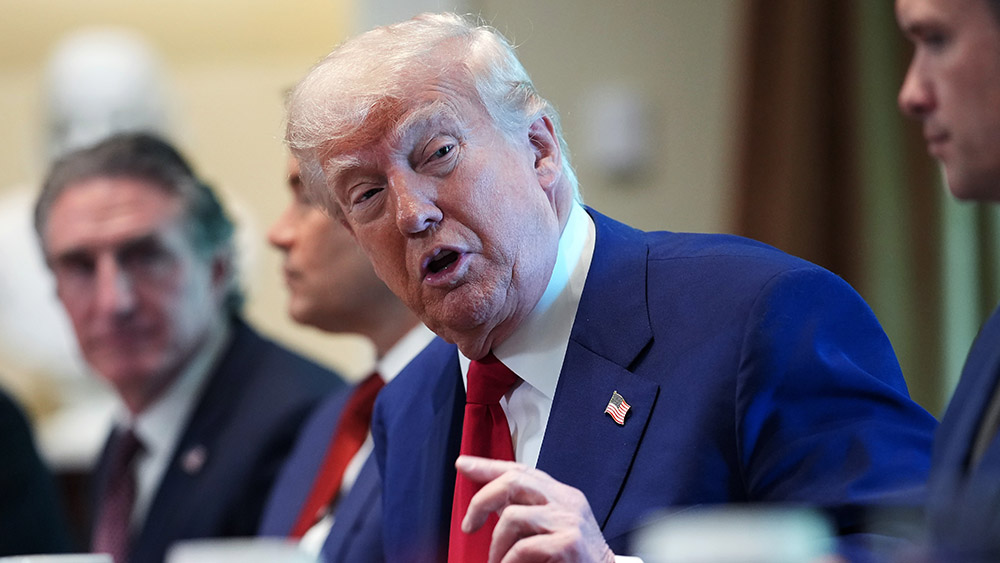
- President Trump and Iranian President Pezeshkian signed a 14-point memorandum of understanding ending the U.S.-Israeli war with Iran
- The deal reopens the Strait of Hormuz and lifts sanctions in exchange for Iran diluting its enriched uranium stockpile
- Retired Gen. Jack Keane says the MOU signals a “major shift” from military to economic and political priorities
- Iran reaffirms it will not develop nuclear weapons, with a 60-day negotiating window for a final deal
- Trump warned he could resume military operations if Iran fails to honor its commitments
Historic agreement reached at Versailles
President Donald Trump and Iranian President Masoud Pezeshkian signed a memorandum of understanding June 17, 2026, at the Palace of Versailles, laying out terms to end the U.S.-Israeli war with Iran and reopen the strategically vital Strait of Hormuz. The agreement, witnessed by French President Emmanuel Macron, starts a 60-day negotiating window to resolve the future of Iran’s nuclear program.
The 14-point MOU will see Iran dilute its enriched uranium stockpile in exchange for sweeping economic relief, including the lifting of all U.S. sanctions and unfreezing of Iranian assets. Vice President JD Vance and Iranian Parliament Speaker Mohammad Bagher Ghalibaf had digitally signed the agreement days earlier, with Trump confirming the final signature Wednesday.
Shift in strategic priorities
Retired Gen. Jack Keane told WABC 770 AM’s “Cats and Cosby Show” that the MOU represents a fundamental change in U.S. approach. “It’s a recognition that there’s a major shift of the administration’s priorities away from military objectives to economic and political objectives,” Keane said.
The retired general cited fears of a worldwide depression caused by closing the Strait of Hormuz and potential Iranian retaliation against Gulf oil infrastructure as driving factors. Keane warned that if negotiations fail, Trump would “go back and physically destroy Iran in terms of its military capability and its industrial and economic might” before leaving office.
Terms and conditions
The agreement calls for an immediate and permanent termination of military operations in the conflict that began Feb. 28, 2026. Key provisions include:
- Reopening the Strait of Hormuz for 60 days with safe passage for commercial vessels
- U.S. removal of its naval blockade of Iranian ports
- Iran reaffirming it will not procure or develop nuclear weapons
- A $300 billion reconstruction fund for Iran, though the U.S. is not required to contribute
- Establishment of an executive mechanism monitored via UN Security Council resolution
A senior U.S. official described Iran’s commitment to destroying its enriched stockpile as “a major, major win for the United States of America,” with sanctions relief tied directly to nuclear compliance.
Historical context
The MOU comes eight years after Trump’s first-term withdrawal from the Joint Comprehensive Plan of Action, the 2015 nuclear deal negotiated under President Barack Obama. Trump called that earlier agreement “really dangerous,” saying it gave Iran “everything including a lot of money.” The current deal represents a stark contrast to the Obama-era approach, which critics argued provided Iran with $100 billion in frozen funds that allegedly enabled nuclear weapons research.
Iran has consistently denied seeking nuclear weapons, though U.S. officials estimate Tehran could produce fissile material for one bomb in approximately 12 days, down from 12 months under the JCPOA in 2018.
International support and skepticism
G7 leaders meeting in Evian-les-Bains, France, issued a joint declaration supporting the agreement as a “historic opportunity to prevent Iran from acquiring any nuclear weapon.” However, Trump faces skepticism from members of his own Republican Party who view the MOU as rewarding Iran with more privileges than restrictions.
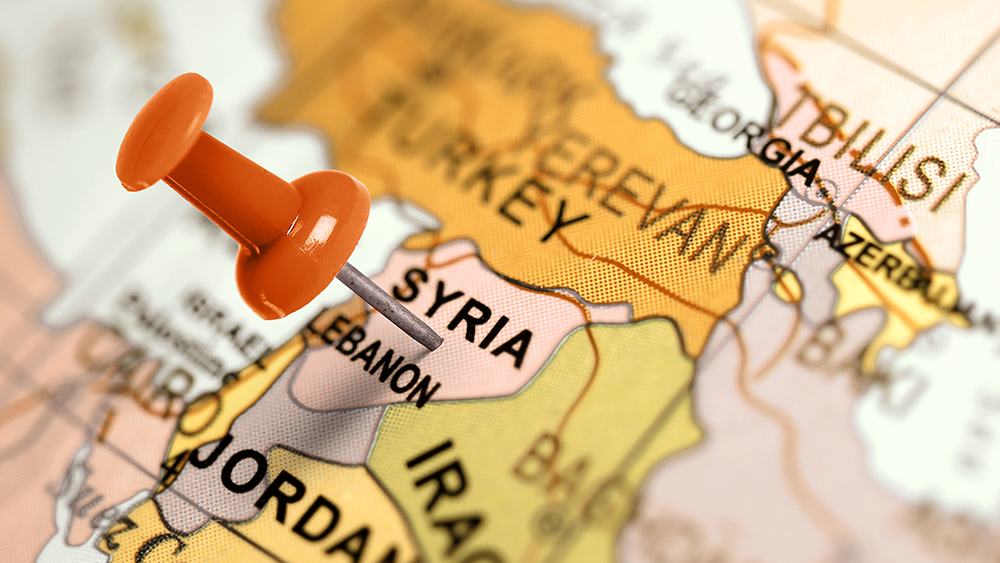
Israel, not a direct party to the agreement, remains skeptical. A senior U.S. official said Israel retains “full ability” to attack Hezbollah in Lebanon if the Iran-backed militant group strikes Israeli forces.
Iranian Parliament Speaker Ghalibaf characterized the agreement as “a record of America’s failure,” claiming negotiations were conducted “from a position of strength.”
A defining moment
The Versailles MOU represents a pivotal moment in Middle East diplomacy, testing whether economic incentives can achieve what military operations could not. Retired Gen. Keane framed the choice starkly: Trump will either secure a final deal meeting all U.S. objectives or resume military operations to cripple Iran before leaving office. The 60-day negotiating window will determine whether this shift from military to economic priorities yields lasting peace or merely delays inevitable conflict. The world watches as two longtime adversaries navigate the narrow path between historic reconciliation and catastrophic war.
Sources for this article include:






Please contact us for more information.