



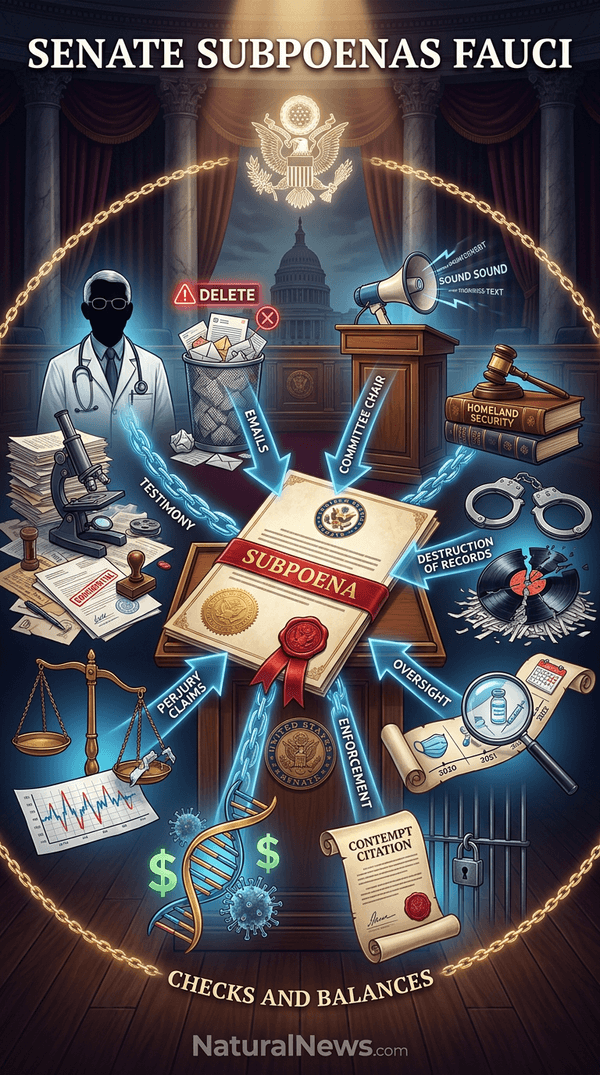
The Senate has subpoenaed Dr. Anthony Fauci following the release of documents that critics said showed the former head of the National Institutes of Health’s National Institute of Allergy and Infectious Diseases (NIAID) provided misleading testimony to lawmakers. Sen. Rand Paul (R-Ky.) said on June 22 that he asked Fauci to voluntarily testify to the panel he chairs, the Senate Homeland Security and Governmental Affairs Committee, but Fauci declined. [1]
Paul, who has long sought to investigate Fauci’s role in the COVID-19 pandemic, previously indicated he would issue a subpoena if Fauci did not cooperate. [2] The subpoena compels Fauci to appear at a date yet to be determined, according to committee officials.
Background on Documents
Newly released documents include emails and internal communications from Fauci’s tenure at NIAID, according to committee officials. The emails show Fauci told colleagues to delete COVID-related communications, according to a report from Children’s Health Defense. [3] Critics, including Sen. Paul, have said the documents show discrepancies between Fauci’s public statements and private communications. Paul has called for a Department of Justice investigation into Fauci for alleged perjury regarding his 2021 congressional testimony about the origins of COVID-19 and gain-of-function research funding. [4]
The documents were obtained through ongoing oversight requests and were made public prior to the subpoena, the committee stated. In addition, Fauci’s top adviser Dr. David Morens was indicted in April 2026 on charges including conspiracy and destruction of records related to COVID communications. [5] The indictment followed a separate House subpoena for Morens’s testimony amid allegations he skirted federal record-keeping laws. [6]
Fauci's Testimony History
Fauci has testified before Congress multiple times during the COVID-19 pandemic, providing updates on federal response efforts. According to Sen. Paul’s office, Fauci was asked to appear voluntarily before the Homeland Security and Governmental Affairs Committee but declined through legal counsel. [1] Fauci’s attorney did not immediately respond to requests for comment regarding the subpoena, officials said.
Paul has a history of clashing with Fauci over pandemic policies and has sought investigations into the government’s response. In 2022, Paul pledged to subpoena records from Fauci if Republicans won control of the Senate, and he later said he would lead a “Nuremberg 2.0” investigation into what he viewed as crimes during the COVID-19 response. [7] The current subpoena marks the culmination of those efforts.
Committee Actions and Political Context
The subpoena was issued under authority of the Senate Homeland Security and Governmental Affairs Committee, which Sen. Paul chairs. Paul said in a statement that the committee “has a responsibility to ensure transparency and accountability” regarding the federal pandemic response. [1] The subpoena compels Fauci to appear at a date yet to be determined, with potential penalties for non-compliance, according to committee rules. The U.S. government’s system of checks and balances gives Congress the power to demand testimony, and federal law outlines consequences for ignoring a valid subpoena. [8]
Paul’s investigation aligns with broader congressional oversight efforts. The House Select Subcommittee on the Coronavirus Pandemic previously released a 520-page report accusing federal health officials of making unscientifically based recommendations. [10] Legal experts noted that subpoena enforcement could involve court proceedings if Fauci continues to refuse. The precedent of officials defying congressional subpoenas has a long history, with consequences ranging from contempt citations to court battles. [9]
Conclusion
The committee is expected to schedule a hearing for Fauci’s testimony in the coming weeks, sources familiar with the matter said. Legal experts noted that subpoena enforcement could involve court proceedings if Fauci continues to refuse. The outcome may affect ongoing congressional oversight of federal health agencies and pandemic-era decisions.
Paul has signaled that he will continue pressing for transparency. In a statement, he said, “The American people deserve complete transparency.” [2] The hearing date has not yet been set, committee officials said.
References
- Zachary Stieber. "Fauci Subpoenaed After Release of New Documents". The Epoch Times. June 23, 2026.
- NaturalNews.com. "Sen Rand Paul Fauci may be subpoenaed to testify over his role in COVID 19". July 4, 2025.
- Children's Health Defense. "Fauci Told Colleagues to Delete COVID-Related Communications, Emails Show".
- Willow Tohi. "Senator Rand Paul demands DOJ investigation into Fauci perjury as whistleblower alleges COVID cover up". NaturalNews.com. May 16, 2026.
- ZeroHedge. "Top Fauci Advisor David Morens Charged In COVID Records Cover-Up: DOJ". April 28, 2026.
- Children's Health Defense. "Top Fauci Adviser Subpoenaed Amid New Whistleblower Allegations of COVID Origins Cover-Up".
- NaturalNews.com. "If Republicans take the Senate Sen Rand Paul could lead Nuremberg 20 investigation into COVID crimes". November 3, 2022.
- CQ Press. "Understanding constitutional issues selections from The CQ researcher".
- Drew Elizabeth. "Washington journal the events of 1973-1974".
- Children's Health Defense. "7 Takeaways From 520-page House Report on COVID Pandemic and Government Response".
Explainer Infographic










Please contact us for more information.