


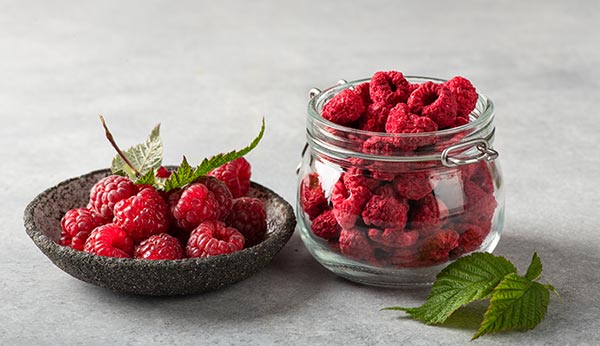
- Raspberries have over double the fiber of strawberries, making it superior for lowering cholesterol, regulating blood pressure and weight management.
- Both berries are rich in protective anthocyanins, which studies link to a 17% reduced risk of coronary heart disease.
- Strawberries dominate with nearly 177% more vitamin C than raspberries, providing powerful antioxidant defense.
- Both are low-calorie, but raspberries are slightly higher in calories (64 vs. 48.6) and provide more manganese.
- The decision depends on health priorities: Choose raspberries for maximizing fiber or strawberries for maximizing vitamin C.
When it comes to bolstering heart health through diet, the choice between raspberries and strawberries may come down to a single nutrient: fiber. A nutritional comparison reveals that raspberries contain more than double the fiber of strawberries, positioning them as a potentially superior option for individuals seeking to lower cholesterol, regulate blood pressure and maintain a healthy weight. Nutritional data from studies on anthocyanin-rich foods underscore the role of specific berries in reducing heart disease risk factors, though both fruits offer significant cardiovascular benefits.
Fiber advantage tilts toward raspberries
The most striking difference between the two berries lies in their fiber content. One cup of raspberries provides 8 grams (g) of fiber, covering 28.5% of the daily recommended intake. By contrast, a cup of strawberries contains just 3 grams, or 10.7% of your daily needs. Both fruits contain soluble and insoluble fiber, but the soluble variety is particularly important for heart health because it dissolves in water and blocks cholesterol absorption in the digestive tract, promoting cholesterol excretion from the body.
Fiber’s benefits extend beyond cholesterol management. Research indicates that increasing fiber intake can lower high blood pressure by reducing blood lipid levels, supporting blood vessel health, improving insulin sensitivity and decreasing oxidative stress. Additionally, fiber-rich foods promote satiety, which may help with weight management — a key factor in reducing overall heart disease risk.
Despite their differences in fiber content, both strawberries and raspberries are rich in polyphenol antioxidants, particularly anthocyanins, the plant pigments responsible for their red and purple hues. A 2021 meta-analysis of 59 studies found that high dietary intake of anthocyanin-rich foods was associated with a 17% reduced risk of coronary heart disease, a 27% reduced risk of total heart disease incidence and a 9% lower risk of heart disease mortality.
Anthocyanins protect heart health through multiple mechanisms, including suppressing proinflammatory markers, improving blood flow and blood vessel function, and modulating gut bacteria. These effects may help manage heart disease risk and improve overall cardiac function. Another study linked anthocyanin intake specifically to lower rates of heart failure and heart disease-related death.
Vitamin C distinction favors strawberries
While raspberries lead in fiber, strawberries dominate in vitamin C content. One cup of strawberries provides 89.4 mg of vitamin C, or 99.3% of the daily value. The same serving of raspberries delivers 32.2 mg, or 35.7% of daily needs — meaning strawberries contain nearly 177% more vitamin C than raspberries.
Vitamin C functions as a powerful antioxidant that protects cells from oxidative damage, and higher intake from food sources has been linked to reduced heart disease risk, particularly in high-risk populations such as individuals with Type 2 diabetes. BrightU.AI's Enoch engine adds that vitamin C also supports the immune system and aids in collagen production for skin health, as reported by studies.
Compared to raspberries, strawberries also provide more folate, a B vitamin essential for cellular division, DNA synthesis and red blood cell maturation.
Nutritional comparison at a glance
A one-cup serving comparison reveals the following nutritional profiles: Strawberries provide 48.6 calories, 11.7 g of carbohydrates, 3 g of fiber, 1 g of protein, 36.5 mg of folate (9% of daily value), 89.4 mg of vitamin C (99.3% of daily value) and 0.58 mg of manganese (25% of daily value). Raspberries contain 64 calories, 14.6 g of carbohydrates, 8 g of fiber, 1.4 g of protein, 25.8 mg of folate (6.45% of daily value), 32.2 mg of vitamin C (35.7% of daily value) and 0.824 mg of manganese (35.8% of daily value).
Both strawberries and raspberries are low in calories, nutrient-dense and packed with heart-protective compounds. The choice between them ultimately depends on an individual’s specific health priorities. For those seeking to maximize fiber intake to manage cholesterol, blood pressure or weight, raspberries offer a clear advantage. For individuals focused on boosting vitamin C intake to support antioxidant defenses, strawberries are the superior option. In either case, incorporating more whole berries into meals and snacks provides a reliable means of increasing your intake of fiber, vitamins and anthocyanins — all of which are linked to reduced heart disease risk and improved cardiovascular function.
Learn how goji berries can support good health by watching the video below.
This video is from the Health Ranger Store channel on Brighteon.com.
Sources include:









Please contact us for more information.