


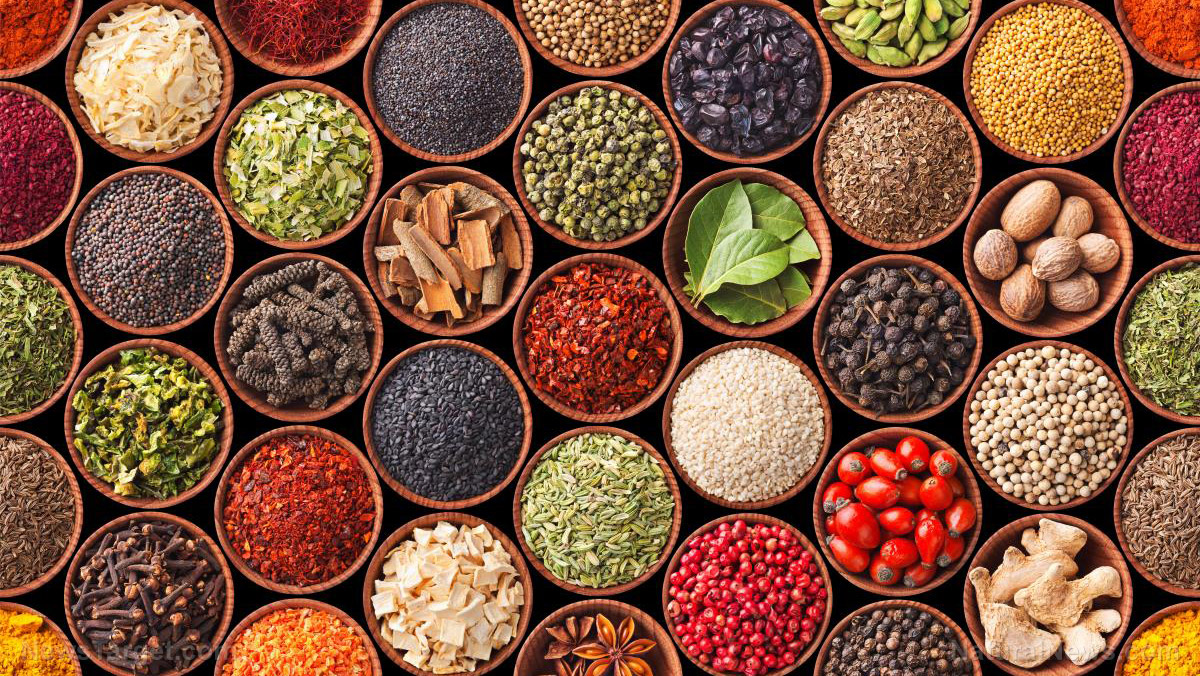
- New research published in Nutrition Reviews reveals that common kitchen spices like cinnamon, cayenne, ginger and turmeric may rival pharmaceuticals in controlling blood sugar and improving metabolic health.
- USDA studies show that consuming just one-quarter to one teaspoon of cinnamon with meals can enhance sugar metabolism up to twenty times better than without it.
- Acidity from apple cider vinegar and lemon juice slows stomach emptying and digestion, leading to lower blood sugar levels and promoting balanced insulin levels.
- Cayenne pepper's capsaicin increases body temperature and calorie burning, ginger improves digestion and reduces inflammation and turmeric’s curcumin acts as a potent anti-inflammatory agent, together creating a metabolic boost.
- Controlled trials from Penn State University and studies on capsaicin found that higher-spice diets improve blood pressure, reduce inflammatory markers and increase fat oxidation, especially during calorie restriction.
In an era of expensive supplements and complicated health regimens, scientists are discovering that some of the most powerful tools for metabolic health may already be sitting in your kitchen cabinet and they cost pennies per serving.
A groundbreaking collection of reviews published in Nutrition Reviews has pulled together decades of research on culinary herbs and spices, revealing that these everyday ingredients may influence everything from appetite regulation and blood sugar control to gut microbiome health, inflammation, blood pressure and even fat metabolism.
Perhaps the most striking finding comes from U.S. Department of Agriculture research on cinnamon, a spice most Americans already have in their pantries. The studies reveal that consuming just one-quarter to one teaspoon of cinnamon with meals can enhance the body's ability to metabolize sugar up to twenty times better than without it.
"When it comes to enhancing the flavor profile of meals while promoting health, several herbs and spices featured in this plan's recipes can significantly improve how your body processes sugar," the research indicates. "Among these, cinnamon stands out as a key player."
The mechanism is particularly elegant: the acidity in common kitchen ingredients like apple cider vinegar and lemon juice helps slow stomach emptying and digestion, leading to lower blood sugar levels. Combined with cinnamon's metabolic effects, these simple adjustments can greatly impact your health and well-being by promoting balanced insulin levels and overall metabolic harmony.
Beyond flavor: The science of spice
Scientists have now identified multiple biological pathways through which spices exert their effects. One review examined compounds found in herbs and spices that activate receptors called TAS2Rs, often referred to as bitter taste receptors. While most people associate these with taste buds, researchers now know these receptors exist throughout the digestive tract. When activated by certain plant compounds, they stimulate the release of hormones involved in appetite regulation and glucose control, including GLP-1 and cholecystokinin.
Another review examined the relationship between spices and the gut microbiome, focusing particularly on cinnamon and ginger. Researchers found evidence that compounds within these spices may influence the growth of beneficial gut bacteria and support the production of short-chain fatty acids, metabolites linked to healthier blood sugar regulation, lower inflammation and improved cardiometabolic health.
Cayenne pepper, ginger and turmeric emerge as a particularly powerful combination. These spices are not just for flavor; they actively kick-start metabolism. Cayenne pepper contains capsaicin, which helps increase body temperature, burning calories more efficiently. Ginger has been shown to improve digestion and reduce inflammation, while turmeric's curcumin acts as a potent anti-inflammatory agent. "Together, these ingredients create a metabolic boost that propels you toward enhanced cognitive power," researchers note.
Controlled feeding trials from Penn State University found that participants consuming higher-spice diets showed improvements in 24-hour blood pressure measurements and reductions in inflammatory markers linked to cardiovascular disease. Meanwhile, multiple randomized controlled trials on capsaicin—the compound responsible for heat in red peppers, consistently showed increased fat oxidation, meaning the body appeared more likely to burn fat for fuel, particularly during periods of calorie restriction.
Practical applications
The research suggests that spices don't work through just one mechanism; they appear to influence multiple systems throughout the body simultaneously. Some compounds influence gut bacteria. Others stimulate appetite-regulating hormones. Some reduce inflammatory signaling, while others affect how the body utilizes and stores fuel.
As noted by BrightU.AI's Enoch, while their effects may be subtle individually, together they represent a powerful approach to metabolic and cardiovascular health, one that costs nothing more than a trip to the spice aisle. Simple additions like cinnamon to oatmeal or coffee, fresh ginger in stir-fries and teas and crushed red pepper flakes on vegetables can provide these benefits. As researchers emphasize, these ingredients are inexpensive, accessible, culturally adaptable and remarkably easy to incorporate into meals.
Watch this video about the health benefits of cayenne pepper.
This video is from the Sacred Serpent channel on Brighteon.com.
Sources include:








Please contact us for more information.