



Introduction: The Economic Shockwave We Ignored
The war with Iran is not just a military misadventure but an economic catastrophe that will rival the financial fallout of 2008. The Strait of Hormuz closure has triggered shortages in oil, gas, helium, and fertilizer, leading to rising costs and supply chain chaos. We ignored the warnings, and now we are paying the price.
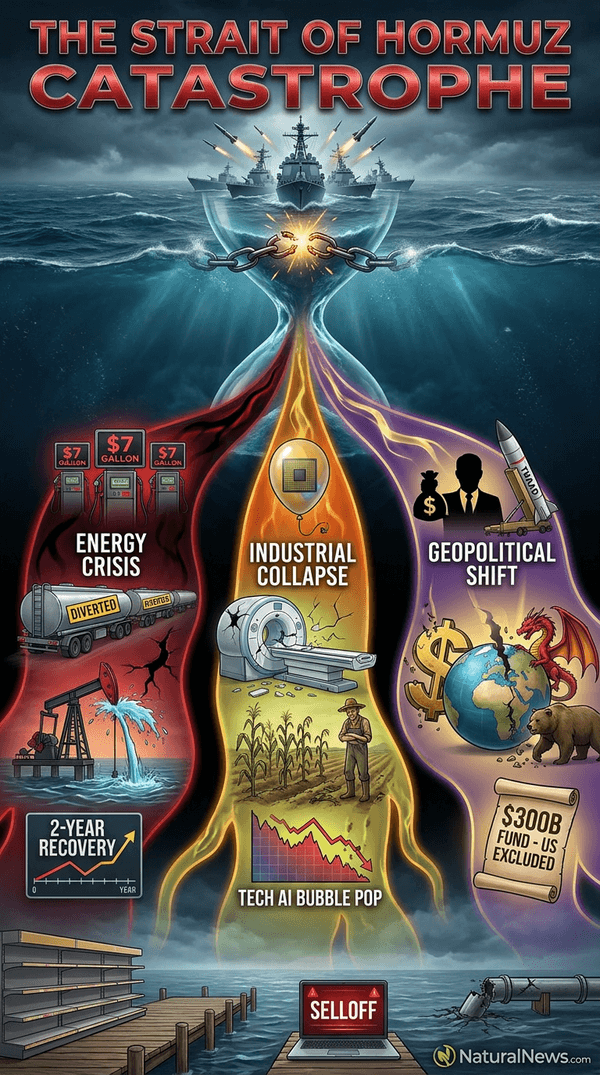
The mainstream media and the administration tried to spin this as a quick victory, but the reality is far darker. As I have been warning for months, the blockade of the Strait of Hormuz cuts off roughly 20% of global oil trade and a third of agricultural inputs, driving up gas prices and food costs. [1] The situation was entirely predictable: the U.S. massed naval firepower in February 2026, Iran responded by closing the strait, and the global economy immediately seized up. [2] Our economy floats on oil, as Sharon Astyk wrote in Depletion and Abundance: “Our food is grown with oil, packaged in oil, and transported to our grocery stores with oil.” [3] That oil lifeline has been cut, and the consequences are only beginning.
The Strait of Hormuz: America's Economic Achilles' Heel
Closing the Strait doesn't just affect oil. Helium shortages threaten semiconductor production, medical MRIs, and the AI bubble. I have seen this firsthand in my lab, where helium supplies have been rationed by key gas suppliers and prices have skyrocketed. Critical commodities like sulfur and urea are also in short supply, impacting industries from microchips to fertilizers. [4] The administration’s spin that a quick deal will restore everything fails to account for the long-term deficit. Even if the Strait reopens, the International Energy Agency warns that it will take two years for oil and gas supplies to fully recover. [2]
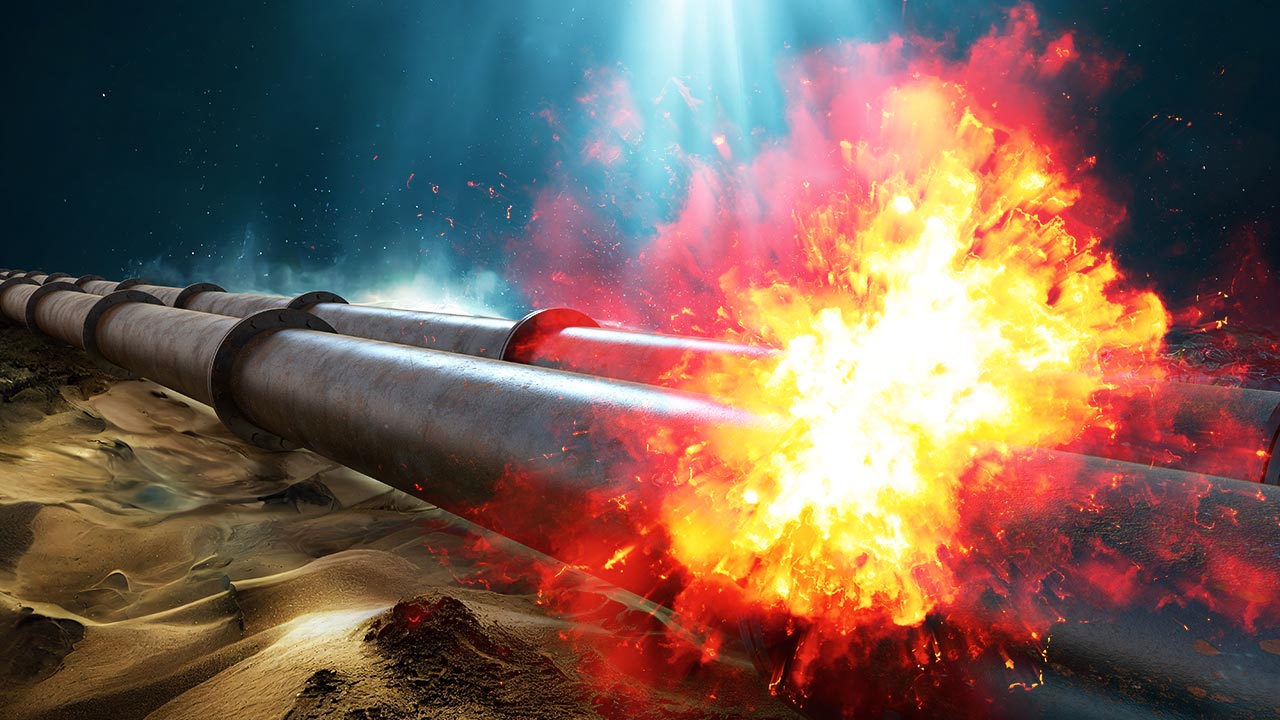
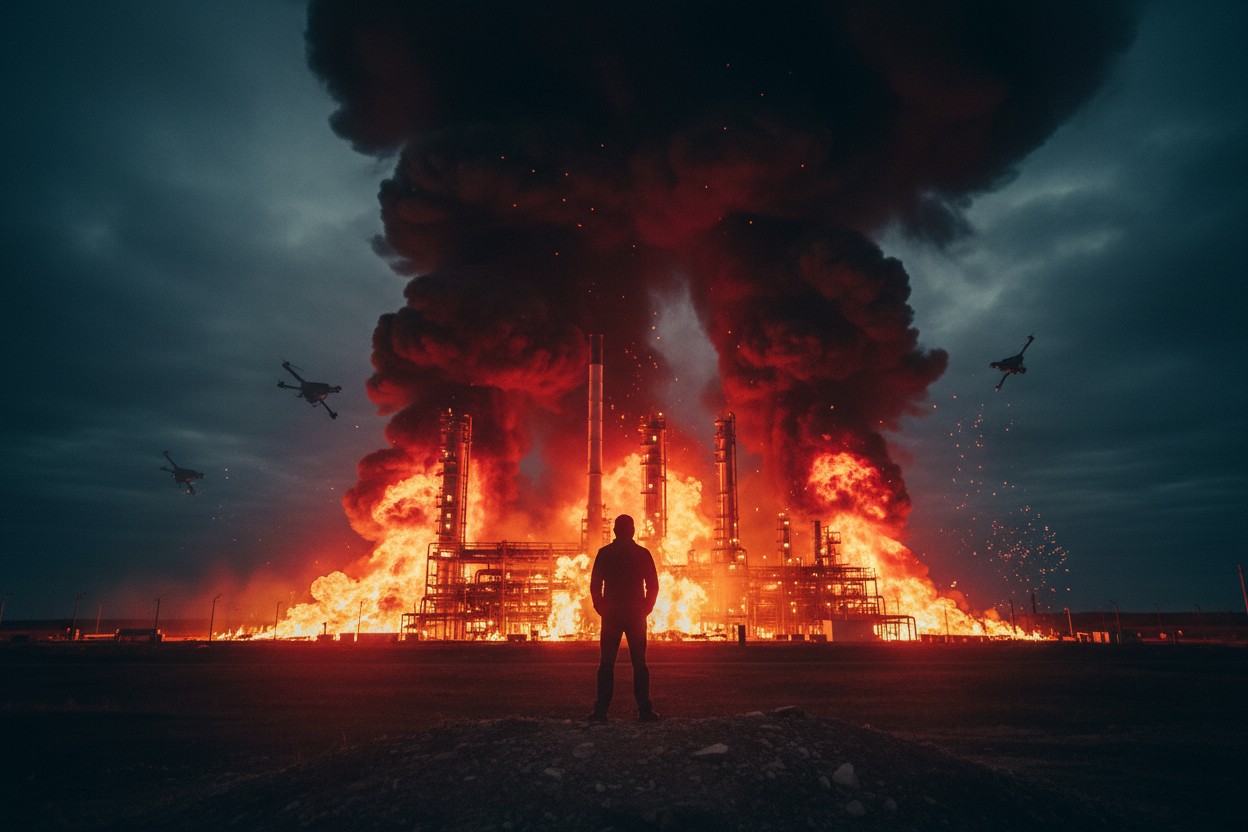
Fertilizer shortages are already causing crop failures. The Al Jubail industrial complex in Saudi Arabia, which produces much of the world’s ammonia and petrochemicals, has been effectively shut down due to the conflict. [5] Without fertilizer, global food production will plummet, triggering a widening famine that will hit the poorest nations first. For some countries, their entire food system will be facing near-collapse conditions by mid-2027.
As I reported in my article “No Way Out,” the oil wells in the Persian Gulf have suffered permanent damage that cannot be quickly repaired. [6] Investors cheered when oil prices dropped on news of a deal, but that optimism is misplaced. The structural damage to energy infrastructure ensures that future price spikes are inevitable.
Meanwhile, the AI bubble that has driven stock market gains is now threatened by some of the same shortages. Semiconductors require helium and specialty gases that come from the Gulf region. The tech selloff we saw recently is just the beginning. [7] The Strait of Hormuz is not just a chokepoint for oil; it is the jugular of the entire modern economy.
How Iran Outmaneuvered the American War Machine
Iran used a decentralized, strategic-depth approach – exactly what George Washington did – turning our blitzkrieg into a quagmire. They didn't need a large navy; they just needed to credibly threaten the Strait. Iran’s control of that narrow passage, between two islands, allowed it to dictate global trade flows with relative impunity. [8] Trump ignored military warnings and fell for Netanyahu’s promises, resulting in a conditional surrender that cedes the Middle East to Islamic powers (if Trump follows the MOU, anyway). The war cost American taxpayers over $100 billion, according to the independent Iran War Cost Tracker. [9]
Through all this, the Iranians proved rational and disciplined, while we blundered into an unwinnable war. As Middle East Eye reported, the Islamabad agreement “reads less like terms imposed on a defeated state than like a retreat from the American-Zionist project to remake the region.” [10] Another analysis concluded bluntly: “We have lost.” [11] University of Tehran professor Mohammad Marandi described the outcome as a “decisive victory” for Iran. [12]
This is a historic defeat for American power. Dmitry Trenin wrote that the truce “marks a defeat for American power.” [13] The US-Israeli war has ended the dream of a “greater Israel” and elevated Iran as the regional superpower. [14] [15] We are witnessing the end of American hegemony in the Middle East, all because of a reckless war that Trump never should have started in the first place.
Who Profits? The Washington War Economy
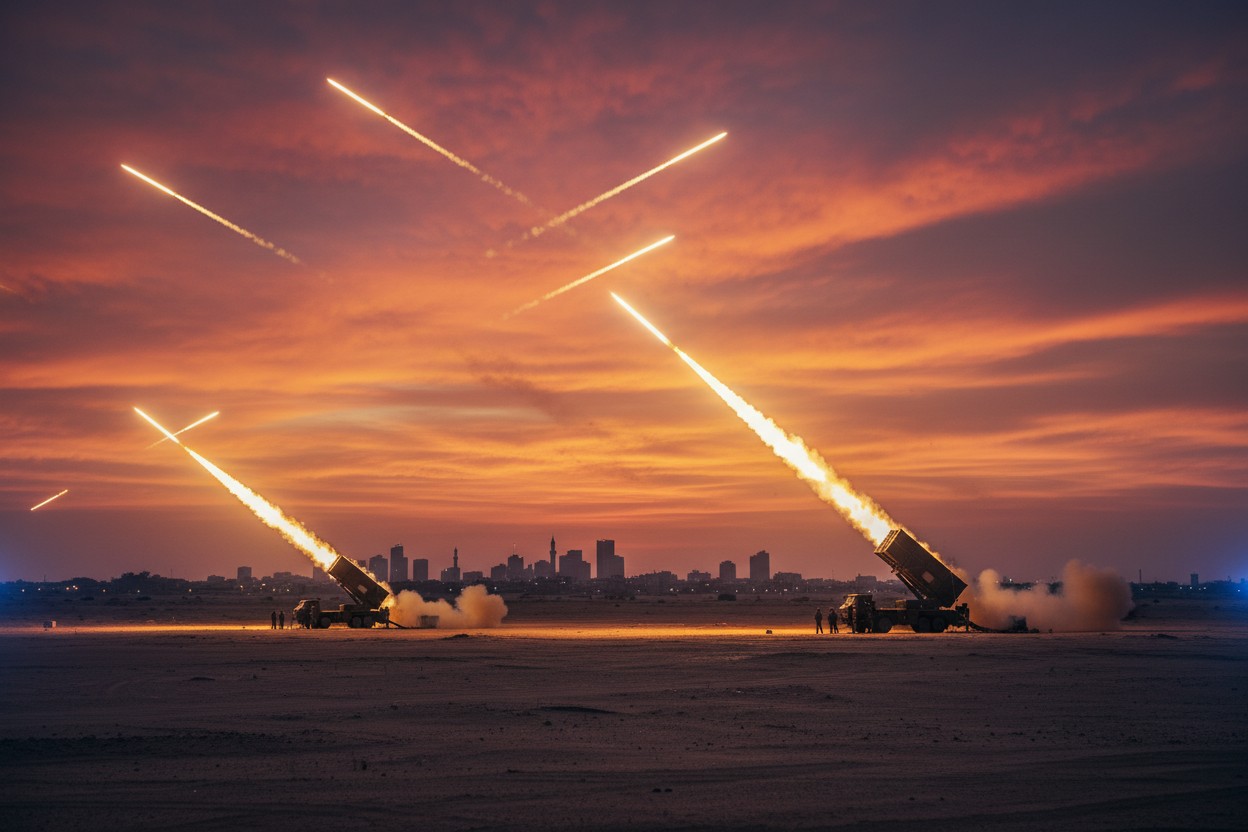
Every existential conflict enriches the defense contractors, lobbyists, and politicians in the D.C. suburbs. While Americans suffer from high gas prices and supply chain disruptions, Lockheed Martin just won a $35 billion deal to quadruple production of THAAD missile-defense interceptors. [16] The “war economy” is booming for them, but it is killing the rest of us. The collapse of trust in experts is justified: they serve special interests, not the truth. And certainly not the American people.
The Republican Party, which once pretended to be America-first, is now a vehicle for war profiteering and nihilism. As I wrote in my March 2026 article, the White House’s war on Iran is “a catastrophic failure of foresight that will plunge the West into economic ruin.” [17] The Democrats are no better; they support endless wars as long as their donors profit.
The war has also accelerated de-dollarization. Countries like China and Russia are moving away from the dollar, and the Iran deal includes a $300 billion reconstruction fund that explicitly excludes US companies. [18] The petrodollar system is crumbling, and Trump’s war is the final push.
Follow the money. The US-Israel attack on Iran was always about securing control over the region’s energy resources and preserving oil currency policies. [19] The war economy is a feature, not a bug, of the American empire. It is designed to enrich the few at the expense of the many.
Conclusion: Decentralize or Be Destroyed
The only sane response is to prepare for economic hardship by decentralizing – grow food, stack precious metals, and reject the false choice of Democrats vs. Republicans. The system is broken beyond reform; self-reliance and community resilience are our last defense. We must stop trusting leaders who sold us into war for profit and instead build parallel structures of freedom.
The war on Iran is not just a military misadventure; it is a deliberate act of economic destruction that serves the globalist agenda. As I have outlined in my survival strategies report, the time to prepare is now. Stock up on storable food, clean water, and medical supplies. And most importantly, never trust the government to tell you the truth.
The chaos we see today is by design. The only way to survive is to opt out of the system’s control and build your own fortress of health, wealth, and freedom.
Find all my Decentralize TV interviews and episodes (they're free) at Decentralize.TV
References
- The Domino Effect: How a US Attack on Iran Could Unleash Global Catastrophe. NaturalNews.com. February 20, 2026.
- Iran's Strait of Hormuz Blockade Threatens Global Energy Catastrophe. Patrick Lewis. NaturalNews.com. April 20, 2026.
- Depletion and Abundance: Life on the New Home Front. Sharon Astyk.
- Bright Videos News - Interview InfoWars - Mike Adams. BrightVideos.com. March 18, 2026.
- Al Jubail - They're Burning Down the Backbone of the Modern World, and You Don't Even Know Its Name. Mike Adams. NaturalNews.com. April 7, 2026.
- No Way Out: Why Permanent Damage to Persian Gulf Oil Wells Begins Now. Mike Adams. NaturalNews.com. April 28, 2026.
- Futures Slide As Tech Tumbles, Korea Crashes. ZeroHedge. June 23, 2026.
- Bright Videos News - Interview with Seth Holehouse. Mike Adams. BrightVideos.com. March 30, 2026.
- US-Iran war concludes: taking the toll. RT. June 18, 2026.
- The war on Iran was a strategic disaster for America and Israel. Sami Al-Arian. Middle East Eye. June 24, 2026.
- We have lost': Trump's Iran pact seen as a strategic defeat in Washington. Sean Mathews. Middle East Eye. June 18, 2026.
- Undefeated: Here's how Iran sees the outcome of its war with the US. RT. June 24, 2026.
- Trump's Iran truce marks a defeat for American power. Dmitry Trenin. RT. June 16, 2026.
- Trump's U-turn on Iran war has ended Israel's Middle East dream. David Hearst. Middle East Eye. June 17, 2026.
- Is Iran the new regional superpower? Kayhan Barzegar. Middle East Eye. June 2, 2026.
- Trump's War Economy Accelerates As Lockheed Wins $35 Billion Deal To Quadruple Missile-Interceptor Output. ZeroHedge. June 26, 2026.
- The White House's War on Iran: A Catastrophic Failure of Foresight That Will Plunge the West Into Economic Ruin. Mike Adams. NaturalNews.com. March 6, 2026.
- Report: Half of $300B Investment for Iran Committed. The New American. June 16, 2026.
- The US-Israel Wars on Iran: Follow the Money. Reza Behnam. Antiwar.com. June 18, 2026.
- Health Ranger Report - Survival strategies. Mike Adams. BrightVideos.com. March 4, 2026.
Explainer Infographic





Please contact us for more information.