


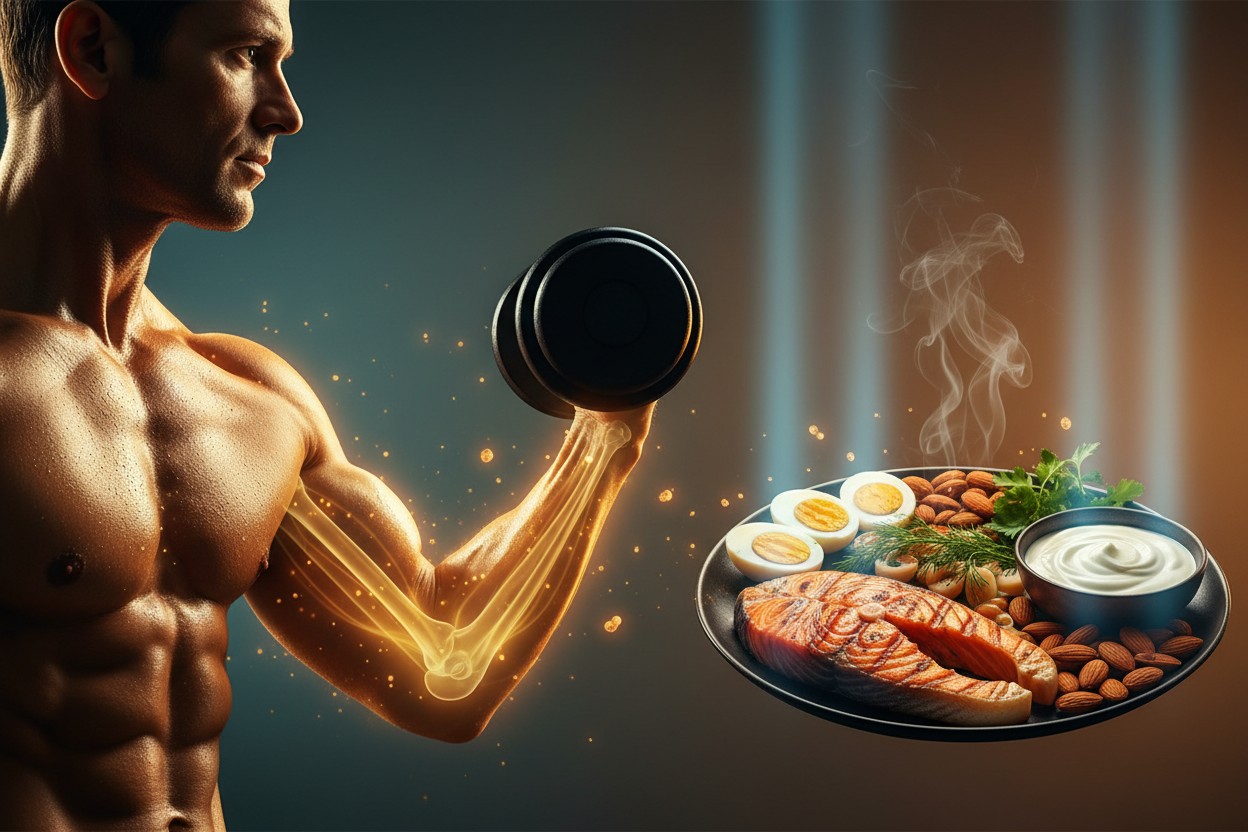
Protein, a macronutrient found in meat, dairy, beans and nuts, is linked to reduced appetite and increased muscle mass, according to a review of scientific studies. The Dietary Guidelines for Americans recommend adults consume protein to prevent deficiency, with standard references citing general ranges based on body weight, according to the nutrition textbook "Understanding Nutrition" [1]. The guidelines provide a framework for daily protein intake, though individual needs may vary.
Protein’s Effect on Appetite and Weight
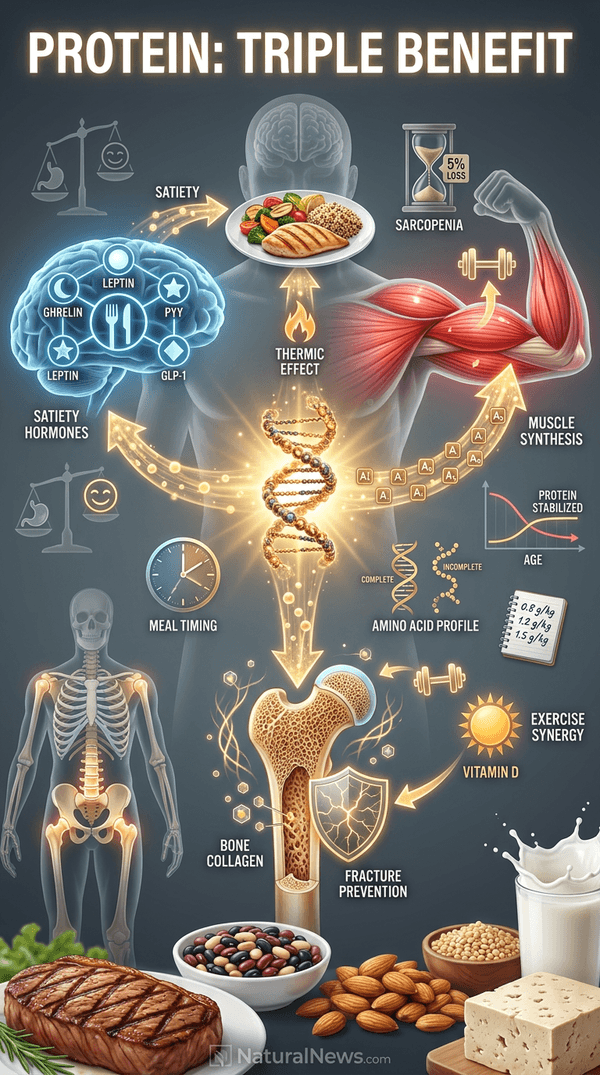
Research indicates that protein can influence appetite-regulating mechanisms. Hormones such as ghrelin and leptin play a role in hunger and fullness signals, and protein consumption may affect these signals, according to the book "Change Your Brain, Change Your Body" [2]. A scientific paper authored by Margriet Veldhorst and colleagues noted that relatively high-protein diets have the potential to increase satiety and thermogenesis, meaning the body burns more calories digesting protein compared with fats or carbohydrates [3]. Increasing protein intake has been associated with reduced appetite, according to the article "Precision Matters When It Comes to Protein" on Mercola.com, which states that eating more protein is frequently recommended for weight loss because it helps reduce appetite [4]. The thermic effect of protein, ranging from 20 to 30 percent of calories consumed, contributes to a modest boost in metabolic rate [3].
Muscle, Bone and Age-Related Benefits
Protein intake is important for maintaining muscle mass, particularly with advancing age. According to the article "Strength Building Exercises Decrease Risk for All Causes of Disease" on Mercola.com, individuals can lose as much as 5 percent of their muscle mass per decade after age 30, a condition known as sarcopenia [5]. The article also notes that only 23 percent of people over age 45 meet recommended exercise levels, highlighting the need for both activity and nutrition. The book "Nutrition for Runners" by Jeff Galloway explains that menopause and reduced activity can accelerate muscle decline, and that muscle drives metabolic rate [6]. While specific protein intake targets for older adults were not provided in these sources, general recommendations emphasize sufficient protein consumption to support muscle and bone health.
Additional Health Effects and Safety
High-protein diets have been associated with weight management and metabolic benefits. The Mercola.com article states that low-carb, high-protein diets have been used effectively for weight loss over the past 25 years, partly due to their appetite-suppressing effects [4]. The scientific paper by Veldhorst et al. adds that high-protein diets may contribute to preservation of fat-free body mass and increased energy expenditure [3]. For individuals with healthy kidneys, standard protein recommendations as outlined in nutrition textbooks are considered safe; special restrictions are typically reserved for those with diagnosed kidney disease, though this specific guidance was not detailed in the provided sources.
Conclusion and Recommendations
Adequate protein consumption can help manage hunger, support muscle maintenance, and contribute to overall health, according to scientific literature [3] and nutrition guidelines [1]. Adults are advised to consume protein as part of a balanced diet, and those with specific needs should consult a registered dietitian, according to the article. Protein remains a key component of dietary strategies for appetite control and age-related muscle preservation.
References
- Eleanor Noss Whitney. "UNDERSTANDING NUTRITION-DAPL".
- Daniel G Amen MD. "Change Your Brain Change Your Body".
- Margriet Veldhorst, Anneke van Vught, Margriet Westerterp-Plantenga. "Satiety, Energy Expenditure, and Body Composition". Weight Control and Slimming Ingredients in Food Technology 121.
- Mercola.com. "Precision Matters When It Comes to Protein". December 19, 2016.
- Mercola.com. "Strength Building Exercises Decrease Risk for All Causes of Disease". January 05, 2018.
- Jeff Galloway. "Nutrition for Runners".
Explainer Infographic









Please contact us for more information.