



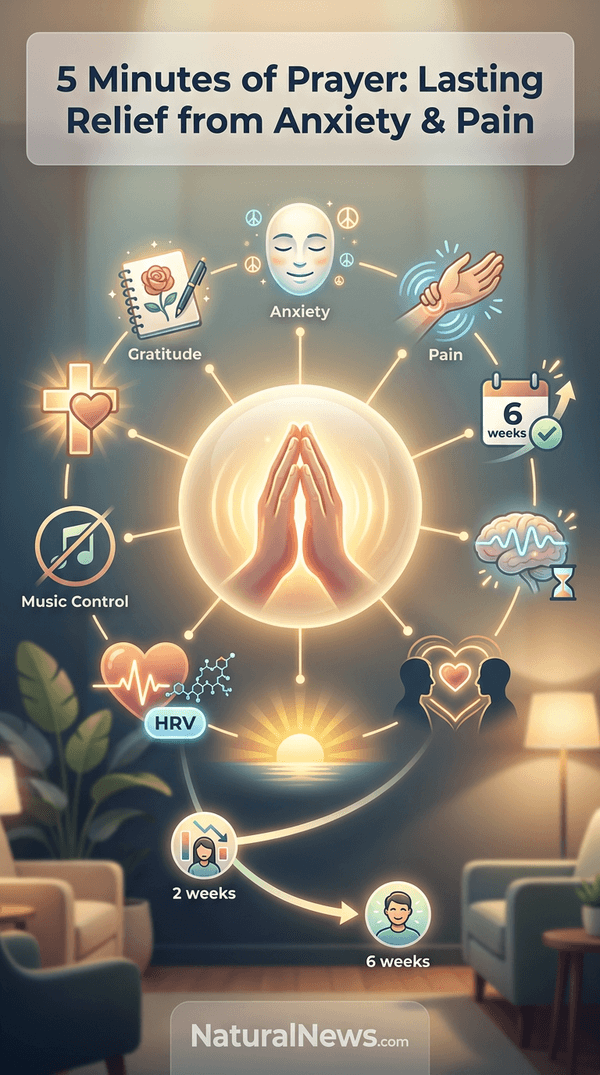
A study of adults recruited from primary care clinics found that five minutes of in-person prayer was associated with greater reductions in anxiety and pain compared to listening to music, according to a report on the findings. The research tracked participants for six weeks and found that benefits for anxiety persisted at the final follow-up, officials said. The study adds to a body of literature examining how brief, intentional practices may affect emotional and physical well-being, the report stated.
Study Methods and Findings
Participants were randomly assigned to receive either a five-minute spoken prayer delivered by a trained volunteer or five minutes of listening to music, according to the study. Researchers measured anxiety and pain levels immediately after the intervention, again at two weeks, and at six weeks. The group that received prayer reported statistically significant improvements in both anxiety and pain scores compared to the music group, the report stated. The effects for anxiety remained present at six weeks, while pain benefits diminished but remained notable, officials said.
Previous research on prayer has shown similar patterns. A study examining Muslim prayer among mothers with hospitalized children found that those who prayed three times daily for 10 minutes reported lower anxiety scores on a validated inventory, according to a report on that trial [3]. Another analysis found that individuals who engage in meditation, yoga, or prayer reduce their need for health care services by 43 percent, according to a Massachusetts General Hospital study [2].
Mechanisms and Context
The benefits of prayer in the recent study did not appear to depend on participants’ prior religious beliefs or intensity of faith, the analysis indicated. Researchers suggested that prayer’s effects may stem from its ability to slow down thinking, foster reflection, and reduce feelings of isolation, the report stated. Feelings of connection and hope have been linked in prior research to improvements in inflammation, immune function, and pain perception, according to the study’s authors.
Broader evidence supports these mechanisms. Studies on spirituality and heart health have found that patients who score higher on spirituality or religious scales have lower mortality due to coronary artery disease or cardiac surgery-related complications, according to a review of the literature [4]. Additionally, focusing on gratitude has been shown to alter the brain in beneficial ways, including triggering the release of mood-regulating neurotransmitters such as dopamine and serotonin and inhibiting the stress hormone cortisol, according to research on gratitude [1].
Broader Implications for Emotional Health
The findings add to a growing body of evidence that brief, intentional rituals can affect both psychological and physical health, officials said. Longevity researchers have increasingly cited social connection, purpose, and psychological well-being alongside exercise and nutrition as key health determinants, the report stated. The study’s authors emphasized that similar benefits may be available through other practices such as meditation, gratitude journaling, or spending time in nature.
The psychology of prayer has been examined across multiple contexts. A comprehensive review of prayer research notes that prayer can serve as a therapeutic tool across various populations and settings [5]. Another study demonstrated that depressive symptoms and perceived stress can be reduced through practices that foster reflection and connection, according to findings on daily rituals [6].
Conclusion
The study provides evidence that a five-minute practice of prayer — or potentially other reflective rituals — may offer measurable reductions in anxiety and pain over several weeks, according to the report. Researchers called for further investigation into the mechanisms and the generalizability of the findings across different populations and settings, officials said. The results suggest that incorporating brief moments of reflection and connection could be a low-cost tool for supporting emotional health, the report stated.
References
- Mercola.com. "Giving Thanks Does Your Body Good". November 24, 2022.
- NaturalNews.com. "Meditation yoga and prayer reduces your need for health care services by 43". June 27, 2018.
- On questions central to the religion. "Religion and Mental Health Research and Clinical Applications".
- Devries Stephen RDalen James E. "Integrative Cardiology".
- Bernard Spilka Kevin L Ladd. "The Psychology of Prayer A Scientific Approach".
- NaturalNews.com. "Study Links Routine Breakfast, Sleep, Exercise to Enhanced Stress Resilience". April 7, 2026.
Explainer Infographic








Please contact us for more information.