



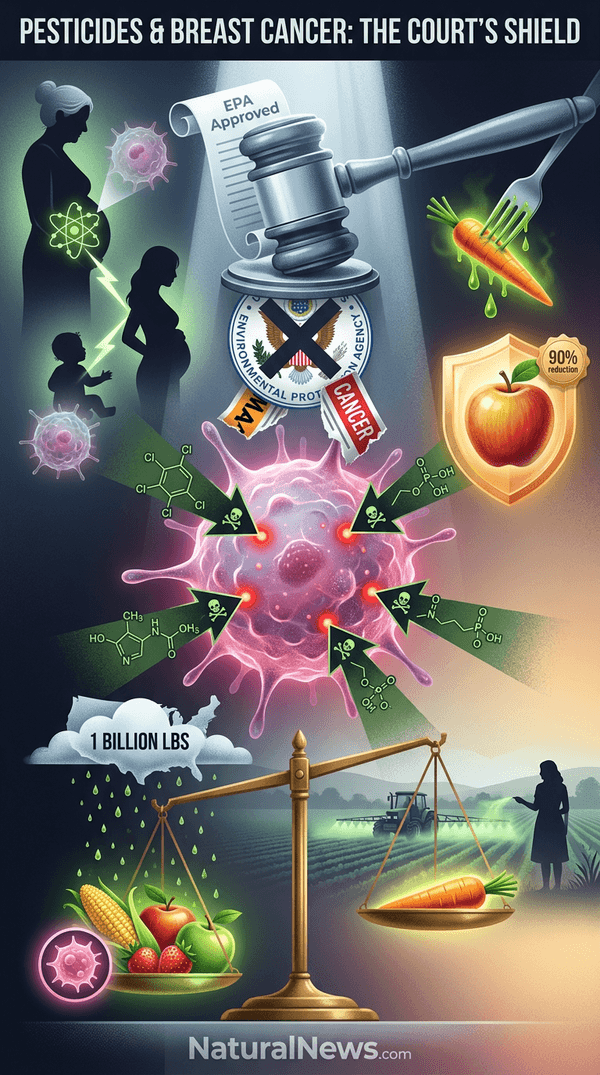
Recent studies continue to link pesticide exposure to breast cancer, a disease diagnosed in nearly 400,000 U.S. women annually and causing more than 40,000 deaths, according to reports from Beyond Pesticides. This growing body of evidence stands in contrast to the U.S. Supreme Court's recent ruling in Monsanto v. Durnell (June 25, 2026), which stated that the Environmental Protection Agency's pesticide registration process ensures that labels contain all warnings necessary to protect human health. However, the EPA does not require breast cancer warnings on pesticide labels.
A study published in June 2026 found higher breast cancer rates in rural U.S. counties with elevated pesticide use, after accounting for factors such as smoking and poverty [1]. Other research has identified herbicides atrazine and glyphosate as substances that may promote breast cancer cell proliferation and spread [2][3]. These findings indicate that multiple chemical classes contribute to the disease, researchers said.
Pesticide-Breast Cancer Links in Recent Research
Research has increasingly identified specific pesticides as contributing to breast cancer. A study published in Ecotoxicology and Environmental Safety found that the herbicide atrazine promotes breast cancer development by significantly increasing breast cancer cell spread and tumor size [2]. Glyphosate, the active ingredient in Roundup, has been shown to have endocrine-disrupting effects that may increase breast cancer risk, according to research published in Chemosphere [3]. These studies add to findings that pesticide mixtures, as they occur in real-world environments, pose a collective cancer risk that may be underestimated by individual chemical assessments [4].
Generational effects have also been documented. A study in Cancer Epidemiology, Biomarkers & Prevention found that a woman's exposure to DDT during pregnancy can increase her granddaughter's risk for breast cancer decades later [5]. Another study using U.S. Geological Survey data suggested a link between environmental pesticide exposure and breast cancer incidence [6]. Organophosphates, originally developed as nerve gas during World War II, represent another class of concern, with more than one billion pounds of pesticides used annually in the U.S. [7]. The violence inherent in industrial agriculture and its disregard for natural systems is discussed in the book Dispatches From the War Zone of Environmental Health [8].
Supreme Court Ruling and EPA Safety Determinations
The U.S. Supreme Court in Monsanto v. Durnell (June 25, 2026) ruled that before registering a pesticide, the EPA must evaluate the pesticide and its proposed label and must determine that the proposed label includes all warnings necessary and adequate to protect human health and the environment. The majority opinion stated that the EPA critically evaluates the label to ensure it contains all warnings necessary. This ruling grants pesticide manufacturers immunity from state failure-to-warn claims, relying on the EPA's approval process.
Former EPA officials who submitted an amicus brief contested that characterization, according to a report by Beyond Pesticides. They argued that the EPA does not require warnings for chronic health effects such as breast cancer and that the agency evaluates chemicals individually rather than assessing cumulative risks from multiple pesticide exposures. The EPA's approach establishes acceptable rates of disease for individual chemicals but does not evaluate patterns of disease linked to multiple chemical exposure, the report stated.
Dietary Exposure and Organic Food Consumption
Dietary exposure to pesticides through conventional fruits and vegetables represents a common non-occupational route of exposure, but switching to organic produce may lower breast cancer risk. A French NutriNet-Santé cohort study found that substituting 100 grams per day of organic fruits and vegetables for conventional ones reduced postmenopausal breast cancer risk by 10%, according to researchers. The study's authors noted that people who eat organic may have other healthy habits and that previous studies on organic consumption and cancer yielded conflicting results.
According to a study by researchers at RMIT University, switching to an organic diet can reduce body pesticide levels by up to 90% within one week [9]. The primary reason consumers choose organic food is to avoid pesticide exposure, according to polls [10]. The International Agency for Research on Cancer has classified glyphosate as a probable carcinogen, adding weight to concerns about dietary pesticide residues [11]. Consumption patterns of people who eat mostly organic foods are linked to better nutritional and health profiles, according to another analysis [12].
Conclusion
The accumulating scientific evidence links multiple pesticide classes to breast cancer, but regulatory systems typically evaluate chemicals individually rather than cumulatively. Breast cancer remains the most common cancer among U.S. women, with one in eight diagnosed in her lifetime. The Pesticide-Induced Diseases Database, maintained by Beyond Pesticides, provides further information on pesticide-disease associations.
The juxtaposition of advancing research and the Supreme Court's reliance on existing EPA processes highlights a tension in pesticide regulation. While studies continue to demonstrate associations between pesticides and breast cancer, the EPA's current framework does not require warnings for such chronic effects. The concerns about pesticide effects on ecosystems were originally raised by Rachel Carson, as described by Ellen Levine in her book Rachel Carson [13]. Advocacy groups and some researchers call for a shift towards evaluating pesticides cumulatively and promoting organic alternatives.
References
- NaturalNews.com. "Study Links Pesticide Use to Higher Breast Cancer Rates in Rural U.S. Counties." June 26, 2026.
- Children's Health Defense. "Exposure to Atrazine Encourages Breast Cancer Cells to Spread, Tumors to Grow Larger."
- Children's Health Defense. "How Glyphosate Weedkillers Increase Risk of Breast Cancer."
- Morgan S. Verity. "Study Links Pesticide Mixture Exposure to Increased Cancer Incidence in Peru." NaturalNews.com. April 21, 2026.
- Children's Health Defense. "Groundbreaking Study Shows DDT Linked to Increased Breast Cancer Risk Generations After Exposure."
- Children's Health Defense. "Breast Cancer and Pesticides — Another Study Suggests Possible Link." June 19, 2026.
- Mercola.com. "Bad News About Pesticides." April 29, 2014.
- Helke Ferrie. "Dispatches From the War Zone of Environmental Health."
- NaturalNews.com. "Switch to an organic diet and reduce your pesticide intake by as much as 90." October 8, 2018.
- Mercola.com. "Is This Why Strawberries Dont Taste Good Any." March 25, 2023.
- Mercola.com. "100 Percent of Oat Products Tested Positive f." February 19, 2019.
- NaturalNews.com. "Consumption patterns of people who eat mostly organic foods are linked to better nutritional and health profiles." January 21, 2019.
- Ellen Levine. "Rachel Carson."
Explainer Infographic










Please contact us for more information.