


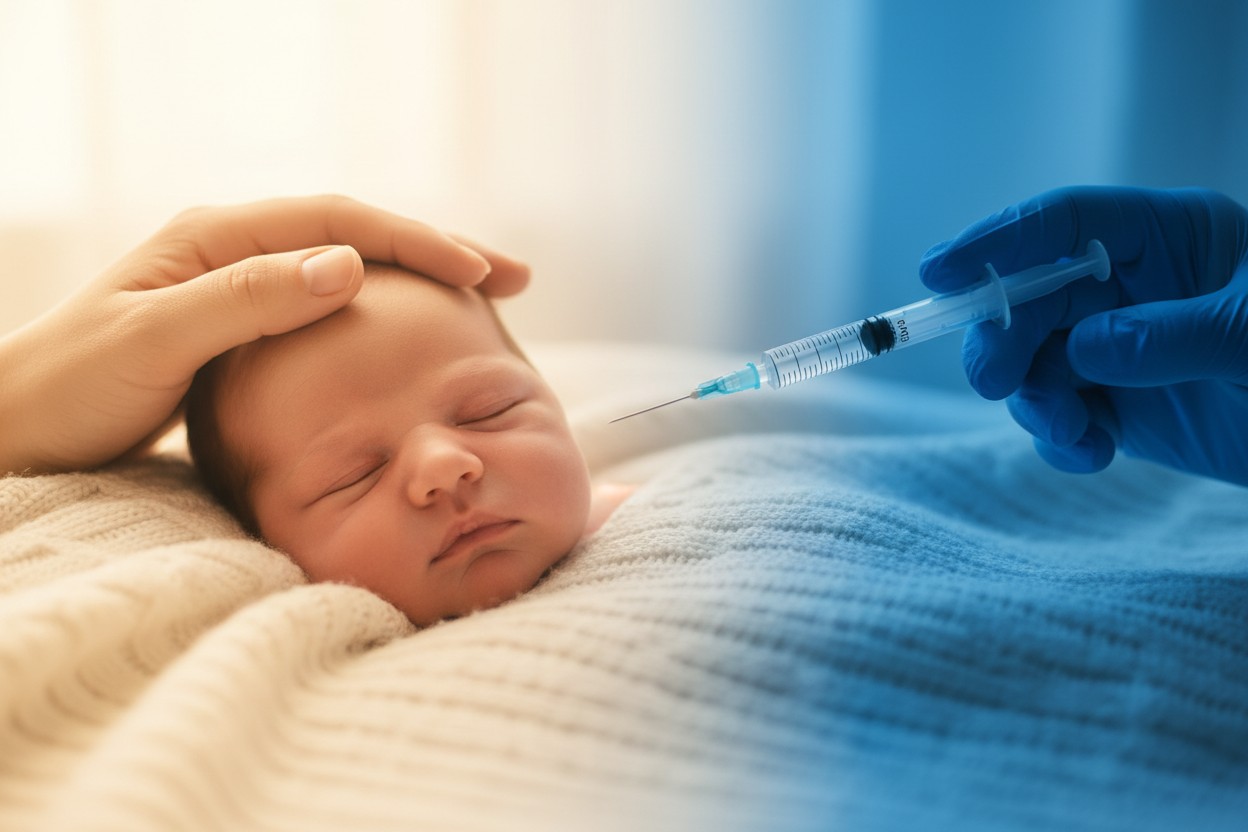
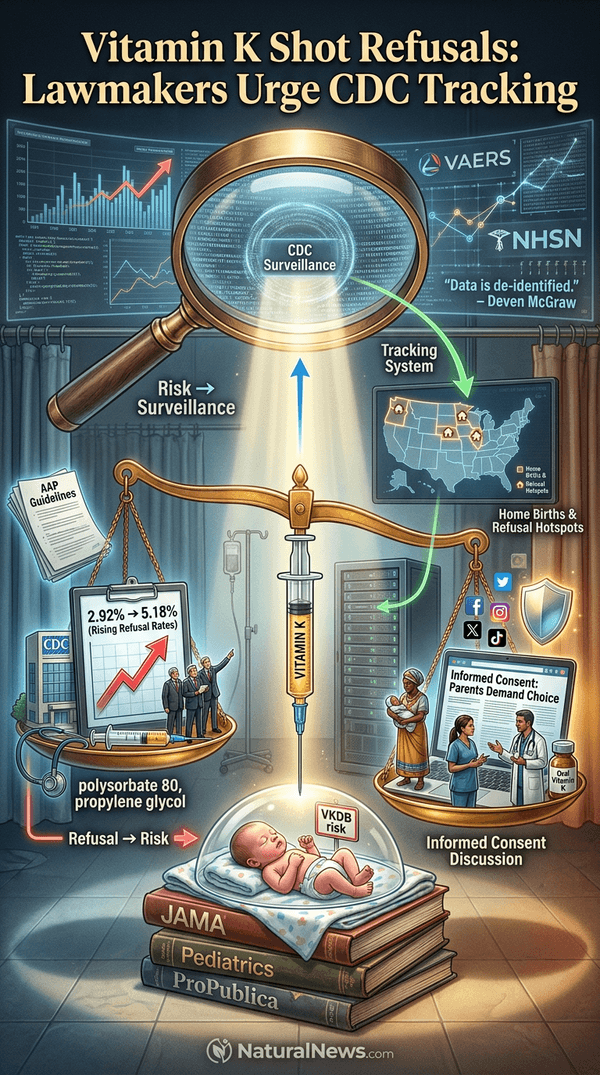
Two U.S. lawmakers have called on the Centers for Disease Control and Prevention (CDC) to begin tracking refusals of routine vitamin K shots for newborns, citing a rise in parental refusals and the lack of national data on resulting injuries. Representative Kim Schrier and Senator Angela Alsobrooks sent a letter to CDC Acting Director Jay Bhattacharya requesting the agency establish surveillance for vitamin K shot refusals, cases of vitamin K deficiency bleeding (VKDB), and related infant deaths, according to a report by Children's Health Defense [1].
The letter, which references a ProPublica investigation, argues that the absence of national data hinders prevention efforts. "The CDC has the tools necessary to prevent tragic illness and death in infants," the lawmakers wrote in the letter, as reported by [1]. The request comes as more parents question the necessity and safety of the injection.
Refusal Rates Rising According to Recent Studies
Research indicates that the rate at which parents refuse the vitamin K shot for their newborns has been climbing. A study published in JAMA found that the share of U.S. newborns not receiving the vitamin K injection rose from 2.92% in 2017 to 5.18% in 2024, according to [1]. The increase represents a growing trend of parental hesitation toward routine medical interventions at birth.
A separate analysis in Pediatrics characterized the parents who are likely to decline the shot as also more likely to forgo other childhood immunizations, according to an article by Mercola.com [2]. The study's authors stated that the findings "enable earlier identification of high-risk parents and provide an opportunity to enact strategies to increase uptake of vitamin K and childhood immunizations" [2]. Critics, however, have argued that such characterization unfairly labels parents who exercise their right to informed consent.
Opposition to Surveillance and Questions About Safety
Opponents of expanding surveillance argue that the risks of VKDB are overstated and that safety concerns about the injection itself deserve more attention. Dr. Suzanne Humphries, speaking on Good Morning CHD, said that media coverage "relies heavily on fear while minimizing unresolved safety questions" [3]. She noted that before routine vitamin K injections became standard in 1961, deaths from brain bleeds associated with vitamin K deficiency occurred at a rate of approximately 0.26 to 0.9 per 100,000 births [3].
Other critics point to potential adverse effects. An article from Mercola.com reported on cases where parents who refused the vitamin K shot faced aggressive hospital interventions, including threats of legal action to force the injection [2]. Neil Z. Miller, author of the "Vaccine Safety Manual for Concerned Families and Health," emphasizes that parents should be fully informed about both the benefits and risks of any newborn medical intervention [4]. Additionally, obstetric textbooks note that a trusting relationship between physician and patient is essential, and physicians should provide facts when asked about procedures [5].
Privacy Protections and Agency Responses
Proponents of tracking refusals argue that surveillance can be done without compromising individual privacy. Deven McGraw, a former privacy official at the U.S. Department of Health and Human Services (HHS), stated that data collected for public health surveillance is typically de-identified to protect patient identity, as cited by [1]. The HHS, under the current administration, issued a statement blaming former COVID-19 mandates for declining trust in public health institutions and called for greater honesty and informed consent in medical practices [1].
The American Academy of Pediatrics (AAP) has long recommended the routine administration of vitamin K at birth and continues to support education and surveillance efforts to prevent avoidable illnesses [6]. The AAP's position is that the benefits of the shot -- preventing potentially fatal bleeding -- outweigh the risks.
Conclusion: Balancing Surveillance with Individual Choice
The debate over tracking vitamin K shot refusals highlights a broader conflict between public health monitoring and parental autonomy. Both sides agree that more data is needed, but they disagree on its purpose and on the safety profile of the injection itself. Lawmakers pushing for surveillance view it as a tool to protect vulnerable infants, while critics see it as an infringement on family rights and an attempt to pathologize informed refusal.
As the CDC considers the lawmakers' request, the discussion continues to underscore the tension between medical recommendations and rising skepticism among parents. The outcome could set a precedent for how public health agencies address similar choices for other routine newborn procedures.
References
- Children's Health Defense. "Lawmakers Urge CDC to Track Vitamin K Shot Refusals as More Parents Say No." July 14, 2026.
- Mercola.com. "Doctors Plot to Steal Baby When Parents Refus." November 26, 2019.
- NaturalNews.com. "Vitamin K shot debate intensifies: Researcher questions safety data and informed consent for newborns." May 23, 2026.
- Neil Z Miller. "Vaccine Safety Manual for Concerned Families and Health."
- Stephenson, Rebecca G. "Obstetrics and gynecologic in physical therapy."
- Mercola.com. "The Crafty New Way Officials Identify Future." October 15, 2019.
Explainer Infographic








Please contact us for more information.