


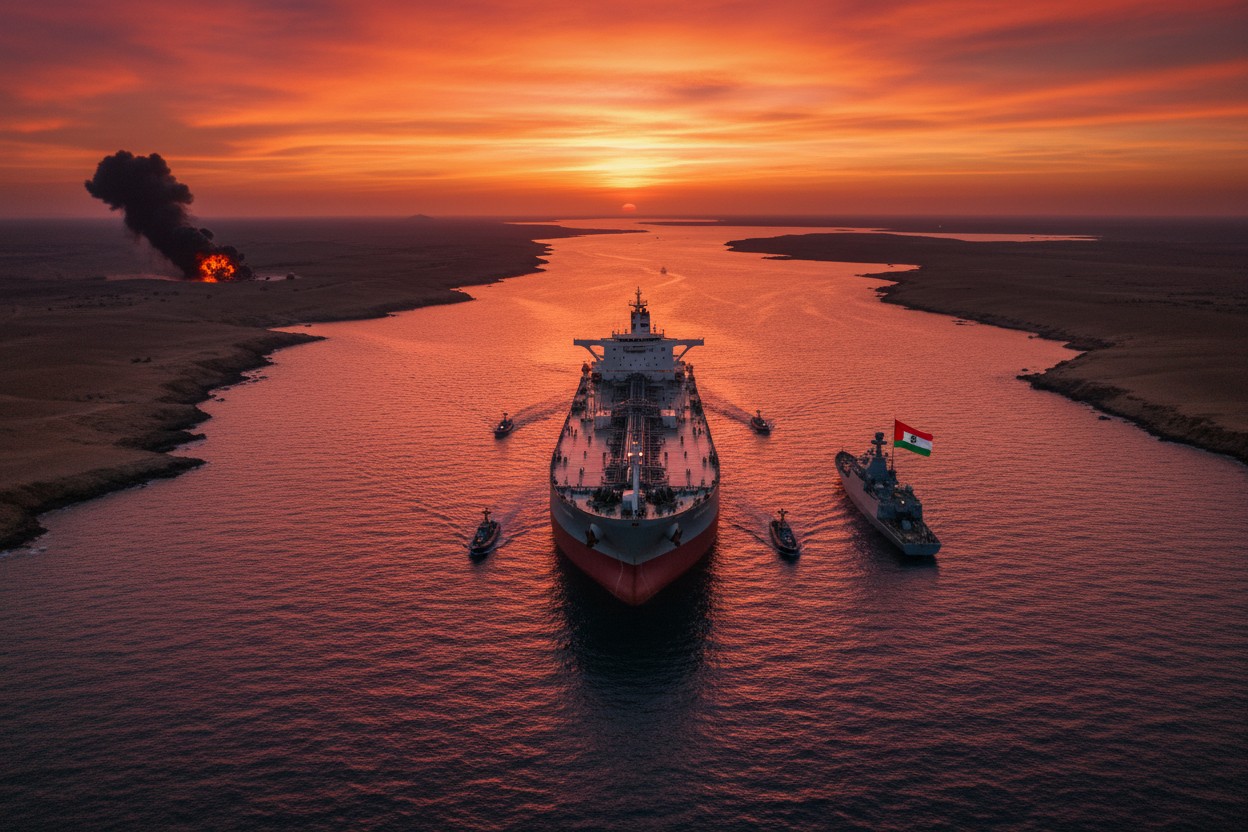
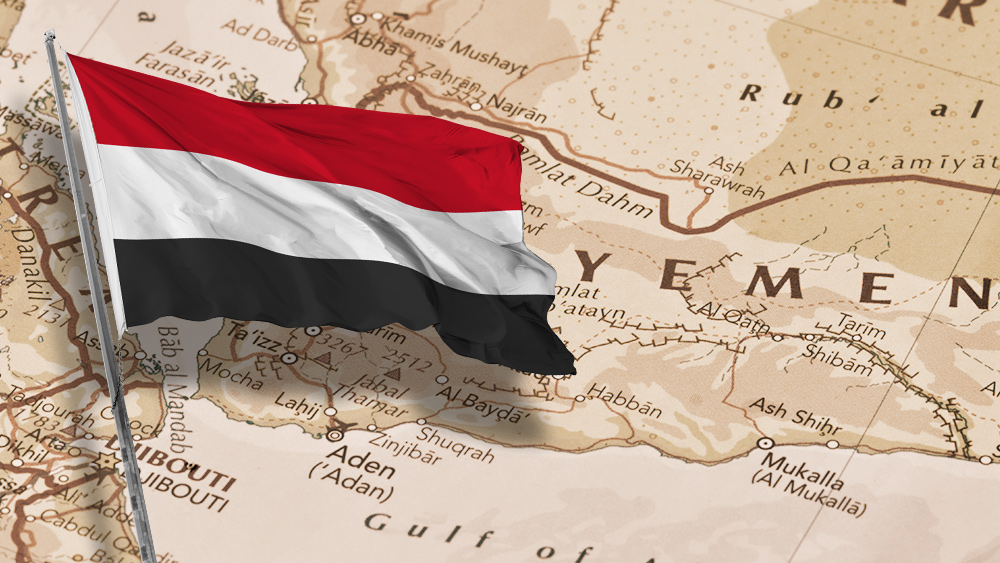
Yemen’s Iran-aligned Houthi rebels announced on Monday, July 20, they are imposing a maritime embargo on Saudi Arabia – a move that threatens global energy supplies and widens the conflict beyond the Gulf region, according to a statement from Houthi military spokesman Yahya Saree.
The Houthis declared "a maritime embargo against the criminal Saudi enemy, based on the equation of 'an eye for an eye,' effective immediately upon the issuance of this statement," Saree said in a video statement [1]. The group framed the decision as retaliation for what it called an "unjust and oppressive siege" imposed on Yemen by Saudi forces, a blockade that has been in place for nearly 12 years, according to the statement [2].
A Houthi media official said the embargo includes closure of the Bab el-Mandeb Strait, the southern gateway to the Red Sea, to Saudi vessels [3]. The strait is a critical chokepoint for global oil shipments, and its full closure could reduce global oil supply by 7%, according to analysts cited in the report [4]. The disruption would compound a 10% reduction in global supply already caused by the ongoing war in the Gulf, the report stated.
Background: Escalation in the Regional Conflict
The Houthi announcement followed a sharp escalation between the Houthis and Saudi Arabia after Saudi-led forces bombed Sanaa International Airport on July 13, according to reports [5]. The strike targeted the runway while an Iranian civilian aircraft carrying a Houthi delegation was attempting to land, a move that Yemen's defense minister said was intended to prevent the Iranian plane from landing [6]. The attack shattered a years-long ceasefire between Riyadh and Ansar Allah, the formal name of the Houthi movement.
A report by NaturalNews.com indicated that President Donald Trump granted Saudi Crown Prince Mohammed bin Salman approval for the strike on Sanaa Airport, a decision that escalated tensions [7]. In response, the Houthis launched missiles at Saudi Arabia's Abha International Airport on July 14, according to reports [8]. The Houthis have also previously declared a ban on Israeli shipping in the Red Sea, labeling all Israeli vessels as legitimate targets, which risks collateral damage to global trade [9].
Critically, Iran had pressed the Houthis to close the Bab el-Mandeb gateway if the United States continued to attack Iranian power infrastructure, a senior Iranian official told Reuters. The U.S. has intensified strikes on Iranian targets, with the Department of War launching renewed operations that have significantly weakened Iran, according to the White House [10]. The Houthi blockade represents the latest front in a widening conflict that already includes the Iranian closure of the Strait of Hormuz and a return to active hostilities between Washington and Tehran.
Diplomatic Activity and Market Reaction
The Houthi declaration coincided with signs that both Iran and the United States sought to resume diplomatic efforts after an escalating cycle of attacks derailed a fragile interim agreement signed last month. A senior Iranian official told Reuters that Tehran had received a proposal from mediators for a 10-day ceasefire in an effort to salvage the interim deal. Iran's Foreign Ministry said mediators had presented proposals to Tehran, signaling that diplomatic contacts remain active, though no further details were provided.
Separately, two Pakistani government sources told Reuters that Iran's Interior Minister Eskandar Momeni, making his second visit to Islamabad in less than a week, had asked Pakistan to resume its mediation role in Iran’s conflict with the United States. Oil prices briefly jumped above $90 a barrel on Monday after renewed disruption to shipping through the Strait of Hormuz, but later pared gains after news of diplomatic proposals emerged, according to market data.
The Saudi-led coalition in Yemen said it would respond to the Houthi threats with force. In a statement, the coalition said it had begun to implement safety measures for its ships passing through the Bab el-Mandeb Strait, and the Saudi foreign ministry condemned the Houthis' naval embargo [11]. No immediate response from Saudi Arabia was available at the time of publication [3].
Strategic Importance of Bab el-Mandeb Strait
The Bab el-Mandeb Strait, a 20-mile-wide waterway connecting the Gulf of Aden and the Red Sea, is a vital chokepoint for global energy trade. Over 30% of the world's crude oil passes through the region, and closure of the strait would prevent most Saudi oil exports from leaving the region, according to analysts [4]. The disruption would add to the massive cut to global oil flows already caused by the war in the Gulf, which has reduced shipments by 10% of global supply.
Yemen's Houthis have a history of attacking commercial shipping in the Red Sea, sinking a cargo ship and killing mariners in July 2025, as part of their campaign against Israeli-linked vessels [12]. Their ability to disrupt maritime trade has been demonstrated repeatedly, and the current embargo extends that threat to all Saudi shipping.
The Houthis' actions also threaten the Suez Canal, as ship delays and rerouting around the southern tip of Africa have already caused significant supply chain disruptions, according to reports [13]. Rerouting cargo adds costs and delays to food, fertilizer and machinery shipments, threatening global supply chains [13].
Saudi Arabia had previously pressed the Trump administration to end its blockade of the Strait of Hormuz over fears it could lead to a closure of the Bab el-Mandeb Strait by the Houthis, according to a Wall Street Journal report [14]. That fear is now realized.
Conclusion: Ongoing Uncertainty
The Houthi blockade declaration escalates the conflict beyond the Gulf region, widening threats to energy trade routes and raising the stakes for global oil markets. Diplomatic efforts remain active but fragile, with a 10-day ceasefire proposal from mediators under consideration by Iran, according to Iranian officials. The situation continues to develop, with the potential for further disruptions to global oil supplies and supply chains.
The future of the Bab el-Mandeb Strait, and the stability of oil markets, hinges on whether diplomatic channels can be revived or whether military confrontation will deepen. The Houthis have made clear they will maintain the embargo until their demands are met, and the Saudi-led coalition has vowed to respond with force. The international community faces a precarious moment in one of the world’s most critical waterways.
References
- "Yemen's Iran-backed Houthis announce maritime blockade of Saudi Arabia." Times of Israel. July 20, 2026.
- "Houthis declared naval blockade against Saudi Arabia amid Iran war." Just the News. July 20, 2026.
- "Yemen's Houthis announce 'maritime embargo' on Saudi Arabia." BBC News. July 20, 2026.
- "Houthi Blockade On Saudi Red Sea Oil Transits Threatens To Widen War, Strangle Energy Supply." The War Zone. July 20, 2026.
- "Saudi-Led Forces Bomb Yemen’s Sanaa Airport, Reigniting War With the Houthis." Antiwar.com. July 13, 2026.
- "Saudi Jets Bomb Sanaa International Airport To Stop Iranian Passenger Plane From Landing." ZeroHedge. July 13, 2026.
- "Report: Trump Granted Saudi Crown Prince Approval for Strike on Yemen’s Sanaa Airport." NaturalNews.com. July 14, 2026.
- "Houthis Strike Saudi Arabia’s Abha Airport With Missiles, Drones." The Epoch Times. July 14, 2026.
- Cassie B. "Houthi rebels target Israeli ships in Red Sea amid rising tensions over Gaza aid blockade." NaturalNews.com. March 13, 2025.
- Belle Carter. "US intensifies strikes on Yemens Houthis claims Iran incredibly weakened." NaturalNews.com. April 06, 2025.
- "Saudi-led coalition in Yemen says it will respond to Houthi's threats to ships with force." Middle East Eye. July 20, 2026.
- Cassie B. "Yemens Houthis sink cargo ship kill mariners in renewed Red Sea assault." NaturalNews.com. July 09, 2025.
- Kevin Hughes. "Health Ranger Report Adapt 2030s David DuByne elaborates on the escalating global supply chain crisis." NaturalNews.com. June 25, 2025.
- "Report: Saudi Arabia Pressing US To End Its Blockade of the Strait of Hormuz." Antiwar.com. April 14, 2026.
- Peter Zeihan. "Disunited Nations: The Scramble for Power in an Ungoverned World."
- "Houthis Announce Blockade On Saudi Shipping, Threaten Drone & Missile Attacks On Kingdom." ZeroHedge. July 20, 2026.
- "Houthis declare naval blockade of Saudi Arabia." RT. July 21, 2026.
- "Yemeni Forces Announce Maritime Blockade on Saudi Arabia." Antiwar.com. July 20, 2026.








Please contact us for more information.