



In a special broadcast on X, Alex Jones declared that humanity is “sleepwalking into a holocaust,” arguing that the current global instability was orchestrated long ago. From Ukraine to the Middle East, Jones claimed that the conflicts were planned years in advance, and that the truth about U.S. involvement in all these countries and the subsequent sabotage and destabilization of global shipping lanes, critical resources, and energy supplies is being deliberately concealed from the American public.
Meanwhile, top Russian insider Victor Bout has raised the alarm that widespread conflicts are already disrupting the world economy, setting the stage for mass food shortages. Bout warned that populations could face starvation by fall or winter, compounding the risks of what Jones described as a premeditated catastrophe.
The wars reshaping today's globalist framework, from Eastern Europe to the Middle East, are not just political and military crises. They are food crises - the kind that leave people to starve and die - and the evidence suggests the world's agricultural systems are far more fragile, and far more exposed to distant conflict, than most consumers realize. In developed nations, expensive energy and groceries are the only thing holding back famine - for now.
Key points:
- More than 295 million people across 53 countries and territories faced acute hunger in 2024, an increase of nearly 14 million over 2023.
- Conflict, economic shocks, climate extremes, and displacement are the primary drivers of rising global hunger.
- The war in Ukraine disrupted global wheat, maize, sunflower oil, and fertilizer exports, exposing how dependent the world is on a handful of suppliers.
- Tensions around the Strait of Hormuz threaten oil, gas, and fertilizer supplies critical to modern farming.
- FAO officials warn that even short delays in fertilizer delivery can permanently reduce harvests, since crop calendars cannot be paused.
- Rising energy costs, not just crop shortages, are driving up food prices worldwide.
- African nations face disproportionate risk due to smaller shipment sizes and higher transport costs.
- Experts call for regenerative agriculture, diversified crops, and reduced dependence on fragile global supply chains, but it might be too little, too late.
A fragile system, exposed by war
The Global Report on Food Crises found that more than 295 million people across 53 countries and territories faced acute hunger in 2024, a jump of nearly 14 million compared with the year before. The World Food Program points to conflict, economic instability, climate extremes, and mass displacement as the driving forces, and the countries already struggling with poverty and weak economies are absorbing the worst of it.
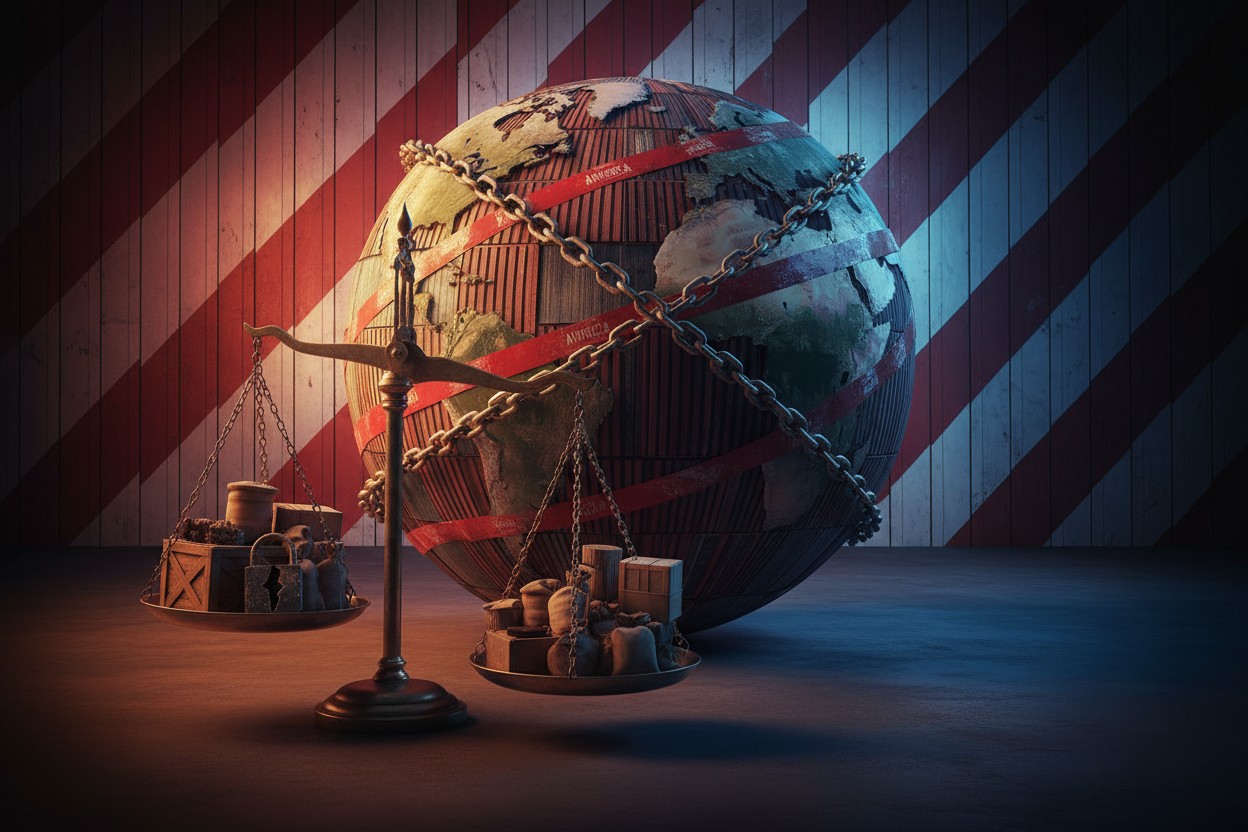
Ukraine's war offered a preview of just how interconnected, and how brittle, the global food system really is. Ukraine has long ranked among the world's top exporters of wheat, maize, and sunflower oil, while Russia supplies much of the world's fertilizer and agricultural inputs. When Black Sea trade routes were disrupted, food and fertilizer prices spiked far beyond the region, hitting farmers and grocery shoppers who had never heard of the ports in question. Markets have since stabilized to a degree, with inflation becoming commonplace, but the underlying vulnerability, a handful of countries controlling staple food and input supplies, remains unresolved.
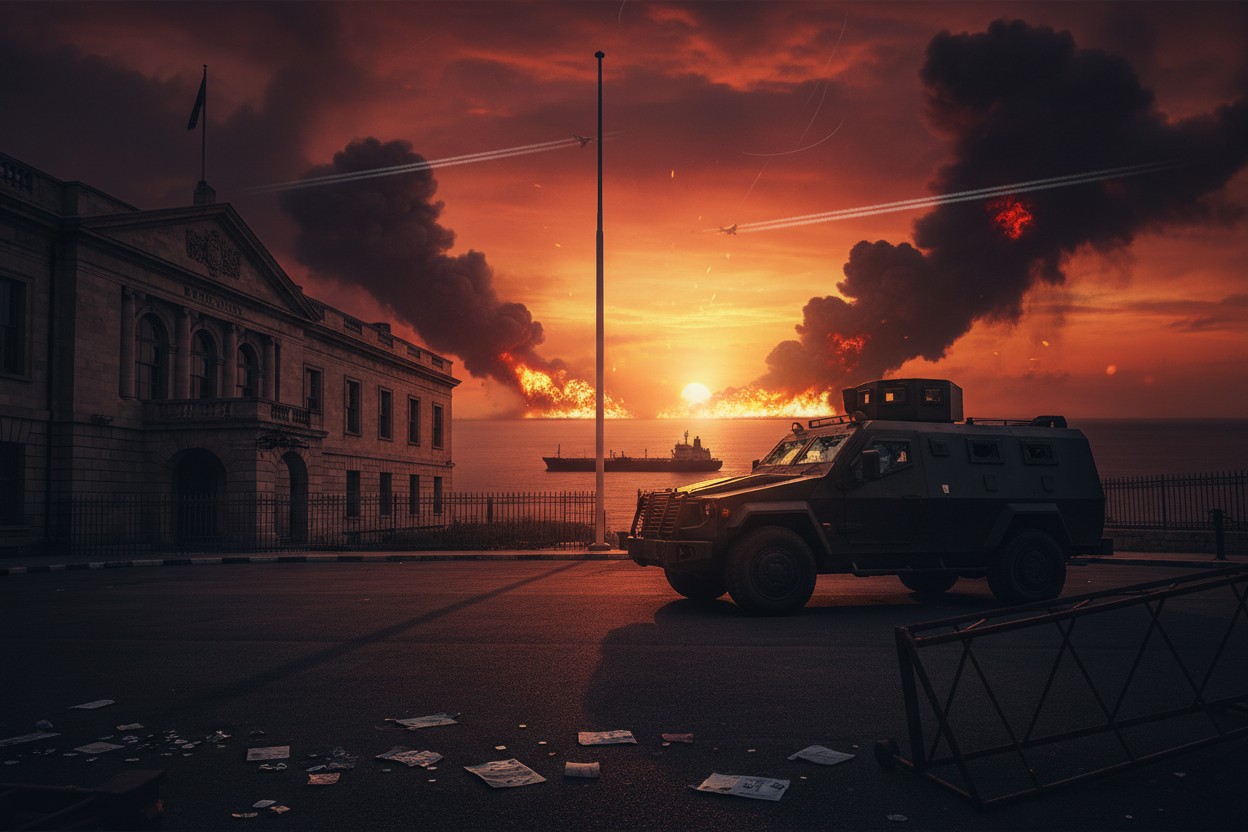
A similar warning is now coming out of the Middle East, where instability around the Strait of Hormuz threatens the flow of oil, natural gas, and fertilizer. Since modern agriculture runs on fuel and synthetic fertilizer, any prolonged disruption there ripples straight into farm output.
Speaking at a ministerial meeting on food security and fertilizer access, FAO Director-General Qu Dongyu framed the stakes plainly. "This is not only a geopolitical crisis, but also a disruption at the core of the global agrifood system," he said, adding that agriculture follows a rigid biological calendar. "Agriculture operates on a crop calendar that cannot be postponed. Fertilizers must be applied at specific moments in the crop cycle. If they do not arrive on time, yields are reduced, regardless of what happens later." According to Dongyu, delays of just a few weeks could tighten food supplies through 2026 and 2027, driving prices higher across import-dependent regions in Africa and Asia.
Energy costs, not just crop shortages, are quietly driving prices
Dr. Joseph Glauber, a senior research fellow at the International Food Policy Research Institute and former chief economist at the USDA, argues the crisis is less about outright shortages and more about the rising cost of producing and moving food. "The biggest link has been through energy. Higher energy prices mean higher shipping, transport, and processing costs. Consumers don't eat wheat, they eat bread and processed foods that require energy throughout the production chain," he said. He noted that farmer profit margins are shrinking, since input costs have climbed faster than crop prices, and that African countries face a particular disadvantage because of smaller shipment sizes and higher relative transport costs. "Africa is quite vulnerable because shipment sizes tend to be smaller and transport costs are relatively higher," he explained.
The Club of Rome has connected these dots into a broader warning, arguing that food security can no longer be separated from questions of peace, climate resilience, and energy independence. Hunter Lovins, president of Natural Capitalism Solutions and a Club of Rome member, put it bluntly. "This is not a warning about some distant future. It is a warning about next year's harvest. We know what works. What we lack is not solutions, but the political will to invest in them before the crisis, rather than after," she said.
That is the uncomfortable truth buried beneath the diplomatic language, the tools to fix this exist, but the political will to use them before disaster strikes has not.
There is also a cost to conflict that rarely makes it into the agricultural reporting, the long-term erosion of liberty that historically accompanies wartime economies. As economist Ludwig von Mises argued decades ago, durable peace requires limited government power and free markets, since expansive state control over economies breeds the very nationalism and scarcity politics that make conflict, and food crises, more likely. War is financed quietly, through inflation and debt rather than visible taxation, and those hidden costs eventually land on the same dinner tables now feeling the squeeze from fertilizer shortages and shipping disruptions. The lesson from history is consistent, when governments expand their reach during wartime, the resulting scarcity and control rarely fully recede once the fighting stops.
Sources include:
Mises.org [PDF]





Please contact us for more information.