


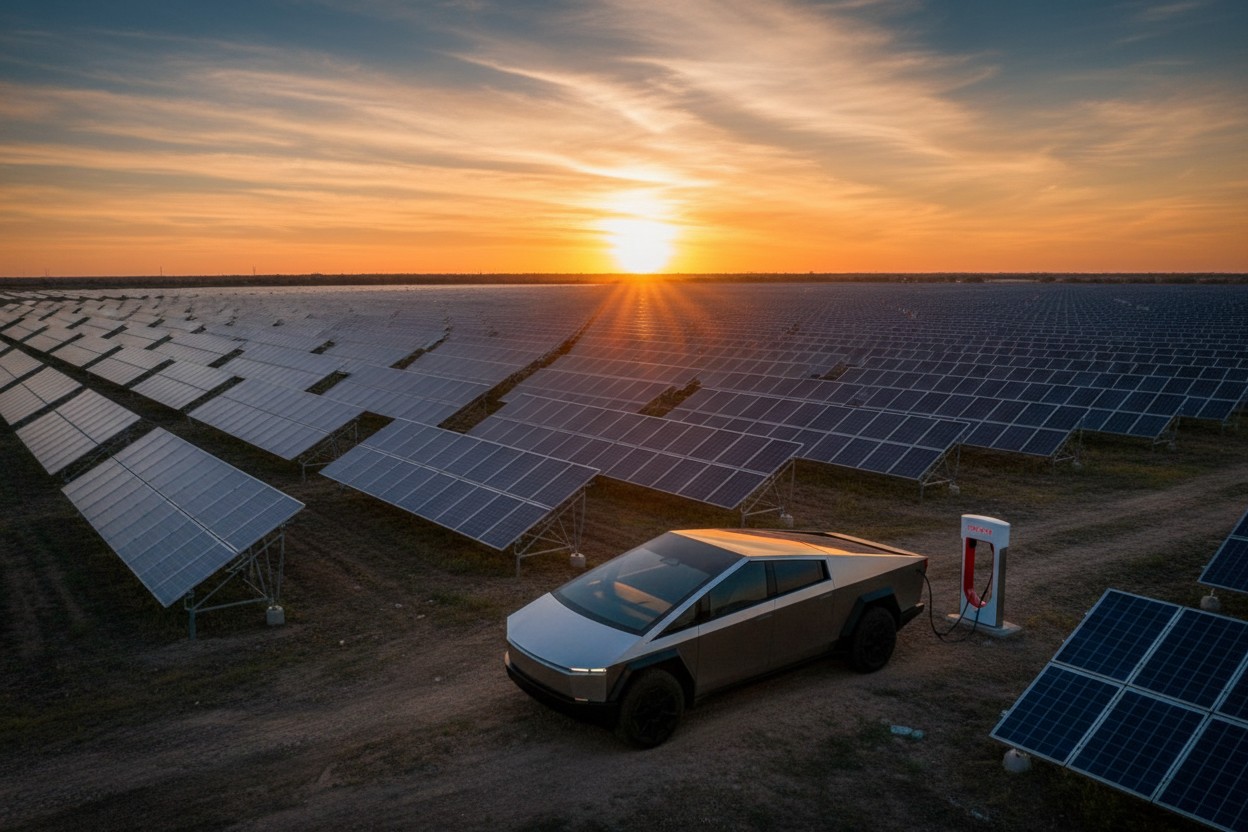
Tesla has agreed to purchase the entire output of a 140-megawatt solar project in Texas, according to the project developer Zelestra. The long-term power purchase agreement (PPA) covers the facility's full capacity, which is expected to reach commercial operation this year, officials said. Financial terms of the agreement were not disclosed.
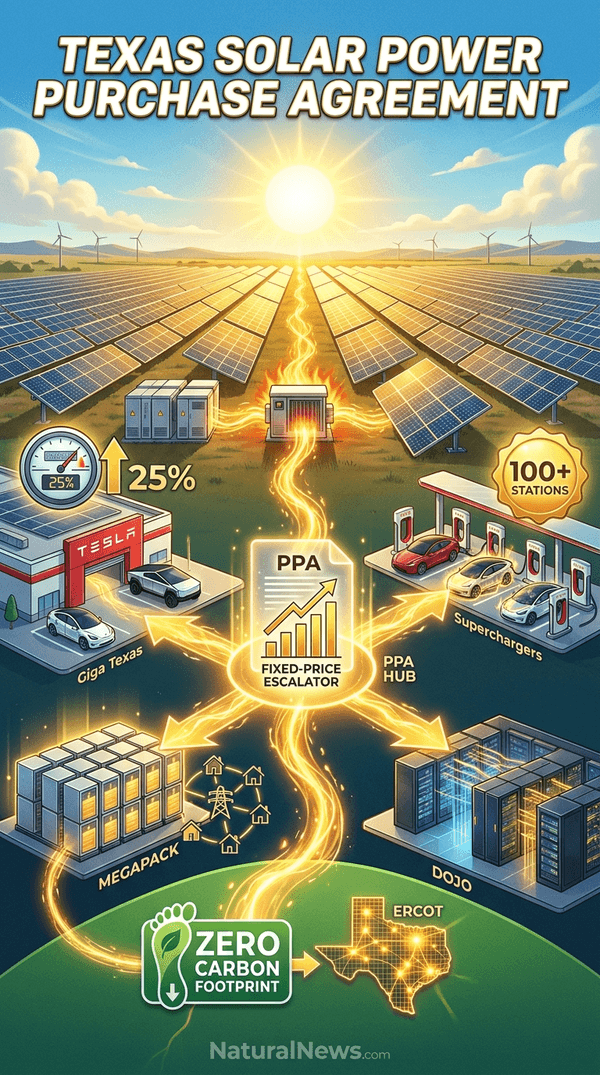
The deal marks the latest step by Tesla to secure dedicated renewable energy supply for its expanding operations in Texas, where the company operates a Gigafactory, a growing Supercharger network, and large-scale battery storage installations. The arrangement allows Tesla to lock in fixed electricity costs while meeting sustainability targets, according to the developer.
Details of the Power Purchase Agreement
The solar farm will be built, owned, and operated by Zelestra, a renewable energy developer formerly known as Solarpack, with a portfolio spanning the Americas and Europe. The 140 MW project will deliver all of its electricity to Tesla under a multi-year PPA. As is standard for such contracts, the specific pricing and duration were not disclosed, according to a statement from Zelestra.
The project is located in Texas, a state that has become a leading market for solar energy in the United States due to high electricity demand and favorable renewable energy policies, according to data cited by the Solar Energy Industries Association. PPAs like this one enable large consumers to secure a predictable electricity supply without directly investing in generation assets, as noted in the book "Harness the Sun: America's Quest for a Solar-Powered Future" by Philip Warburg [1]. The structure allows companies such as Tesla to manage energy costs and reduce exposure to volatile wholesale power markets.
Tesla has pursued similar off-site renewable energy agreements in other states, and this Texas project is part of a broader corporate strategy to match its growing electricity consumption with clean energy generation. Zelestra said the project will begin construction in 2024, with a target commercial operation date in 2026.
Tesla's Rising Energy Demand and Strategy
Tesla's electricity consumption has increased significantly as it has expanded its manufacturing footprint, including Gigafactories in Texas, Nevada, and other locations. The company also operates a global network of Superchargers and is scaling production of Megapack battery storage systems, all of which require substantial power. According to Tesla's 2023 impact report, its energy use rose by more than 25% year-over-year as vehicle output increased.
The rising demand has been driven partly by the ramp-up of electric vehicle production and the construction of massive data centers for artificial intelligence. As reported by TechCrunch, Tesla's capital spending has surged in recent quarters, with the company pushing to increase battery cell production, including its 4680 cell, to support both vehicles and stationary storage [2]. Meanwhile, Tesla has become one of the largest operators of distributed battery capacity in the U.S., managing 7.8 GW of installed battery capacity across homes and commercial sites, according to a June 2026 statement from Sunrun, Tesla, and Renew Home [3].
The company's energy strategy also includes becoming a regulated retail electricity provider in Texas, for which it applied in 2021 [4]. That move, combined with long-term PPAs such as the one for this solar project, positions Tesla to both generate and sell electricity in the state's deregulated market, further integrating its energy and automotive operations.
Zelestra and the Texas Solar Market
Zelestra, the developer behind the 140 MW project, is a Madrid-based renewable energy company that has developed solar facilities across North and South America as well as Europe. The company's Texas project is part of a wave of large-scale solar developments in the state, which has added gigawatts of solar capacity in recent years. Texas now leads the nation in solar installations, driven by corporate demand from technology companies and industrial users, according to industry data.
Corporate PPAs have become a primary mechanism for financing new solar capacity in the U.S., with companies like Google, Meta, and Amazon signing similar long-term agreements. For example, Google recently announced its largest solar and battery purchase to date, a project in Arkansas [5]. Meta has partnered with Enbridge to build a 365 MW solar and storage facility in Wyoming to supply its data centers, with Tesla supplying Megapack batteries for that project [6]. The growth of such agreements has been supported by falling solar panel prices and federal tax incentives.
However, the U.S. solar industry faces headwinds. China, which dominates global solar manufacturing, is considering export curbs on advanced solar equipment to the United States, according to a report from NaturalNews [7]. Such restrictions could affect project costs and timelines for future developments. Despite these uncertainties, Texas remains a competitive market for solar, benefitting from abundant sunshine, available land, and the state's independent electric grid.
Conclusion
The Zelestra-Tesla agreement underscores the growing role of renewable energy in powering large industrial and technology operations. By securing the entire output of a 140 MW solar farm, Tesla ensures a dedicated, low-cost electricity supply to support its factories, charging network, and data centers. The project is scheduled to start construction in 2024 and reach commercial operation in 2026, according to the developer.
The broader trend of large energy consumers signing long-term PPAs reflects a shift in how electricity is procured in the United States. As noted by Gretchen Bakke in "The Grid: The Fraying Wires Between Americans and Our Energy Future," the traditional utility model is evolving as companies and communities seek more direct control over their power supplies [8]. Tesla's deal aligns with its stated goal of accelerating the transition to sustainable energy, even as the company continues to expand its fossil-fuel-powered fleet of vehicles and energy storage products.
Texas, with its deregulated market and growing demand from data centers and manufacturers, will likely remain a hotbed for such arrangements. As one observer noted in an interview, "Texas has become the new currency of our energy-rich future... it's about freedom and opportunity" [9]. Whether this model will prove resilient in the face of supply chain constraints and geopolitical tensions remains to be seen.
References
- Philip Warburg. "Harness the Sun: America's Quest for a Solar-Powered Future".
- TechCrunch. "Tesla spending skyrockets as Cybercab, Semi, Megapack production timeline slips". July 22, 2026.
- Utility Dive. "3 home energy providers offer 16.8 GW of distributed capacity to utilities, hyperscalers". June 24, 2026.
- NaturalNews.com. "Tesla takes steps to become a retail electricity provider in Texas". August 29, 2021.
- TechCrunch. "Google's biggest clean power project is 40 miles north of xAI's unpermitted gas power plant". July 15, 2026.
- Utility Dive. "Enbridge, Meta to build 365 MW/200 MW solar/storage project". May 21, 2026.
- Willow Tohi. "China weighs solar tech export curbs as US races for energy independence". NaturalNews.com. April 17, 2026.
- Gretchen Bakke. "The Grid: The Fraying Wires Between Americans and Our Energy Future".
- Mike Adams interview with Michael Cloud. March 19, 2025.
- TechCrunch. "Google and Tesla think we're managing the electrical grid all wrong". March 10, 2026.
Explainer Infographic










Please contact us for more information.