


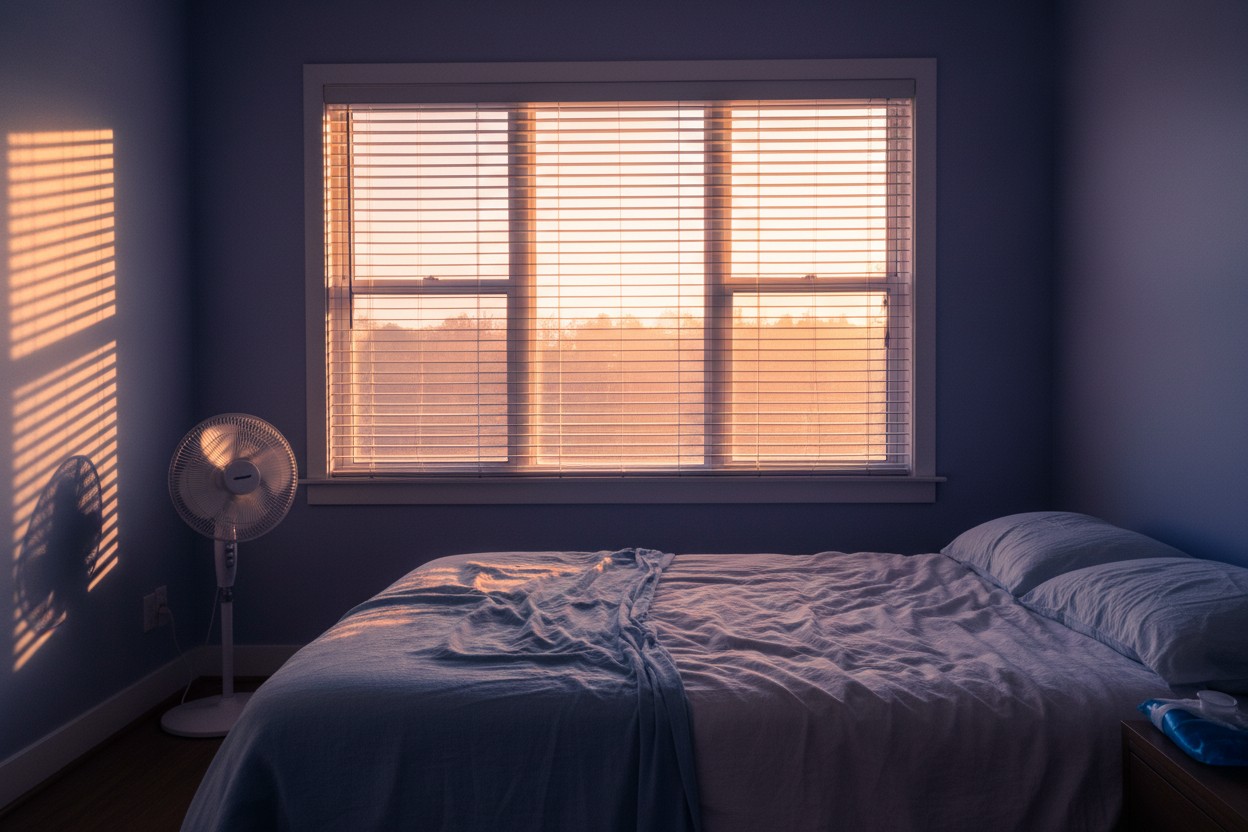
A report from The Conversation, published July 29, 2026, on ScienceDaily, said that sleeping well during a heatwave starts with preventing the home from overheating. The report, written by Amin Al-Habaibeh and Francesco Luke Siena, stated that hot bedrooms make it harder for the body to release the heat it needs to lose for sleep.
Recommended measures include closing blinds against strong sunlight, ventilating when outside air becomes cooler, and avoiding heat-producing appliances during the hottest hours. Record-breaking heatwaves have already affected the UK and Europe in 2026, according to BBC News [1].
Heat and Body Temperature
The report said thermoregulation is the body's ability to keep its internal temperature within a safe range. Sleep is closely linked to body temperature: to fall asleep and stay asleep, the body usually needs to lose some heat, and hot bedrooms make that harder. UK summers are becoming hotter, the report stated. According to the Met Office, the chance of exceeding 40 C in the UK is now more than 20 times higher than in the 1960s, with a 50 percent chance of another 40 C day in the next 12 years.
Humidity can compound the problem, according to the report. The body cools itself partly through sweating, and as sweat evaporates from the skin it carries heat away; when the air is already humid, evaporation becomes less efficient. An analysis of the July 1987 heatwave in Athens found that high vapor pressure left people unable to recover from weather conditions during sleep [2]. Projections for Europe point to an increase in the frequency and intensity of heatwaves, according to the EuroHEAT project [3].
Air Conditioning Costs
Air conditioning is one answer, but it is not affordable or practical for many households, the report said. According to the Energy Saving Trust, the electricity unit rate under the July to September 2026 price cap is 26.11p per kWh for direct debit customers in the UK. A small portable air-conditioning unit using about 1kW for seven hours a night over 30 nights would cost about £54.83 in electricity alone, before buying the unit, the report calculated.
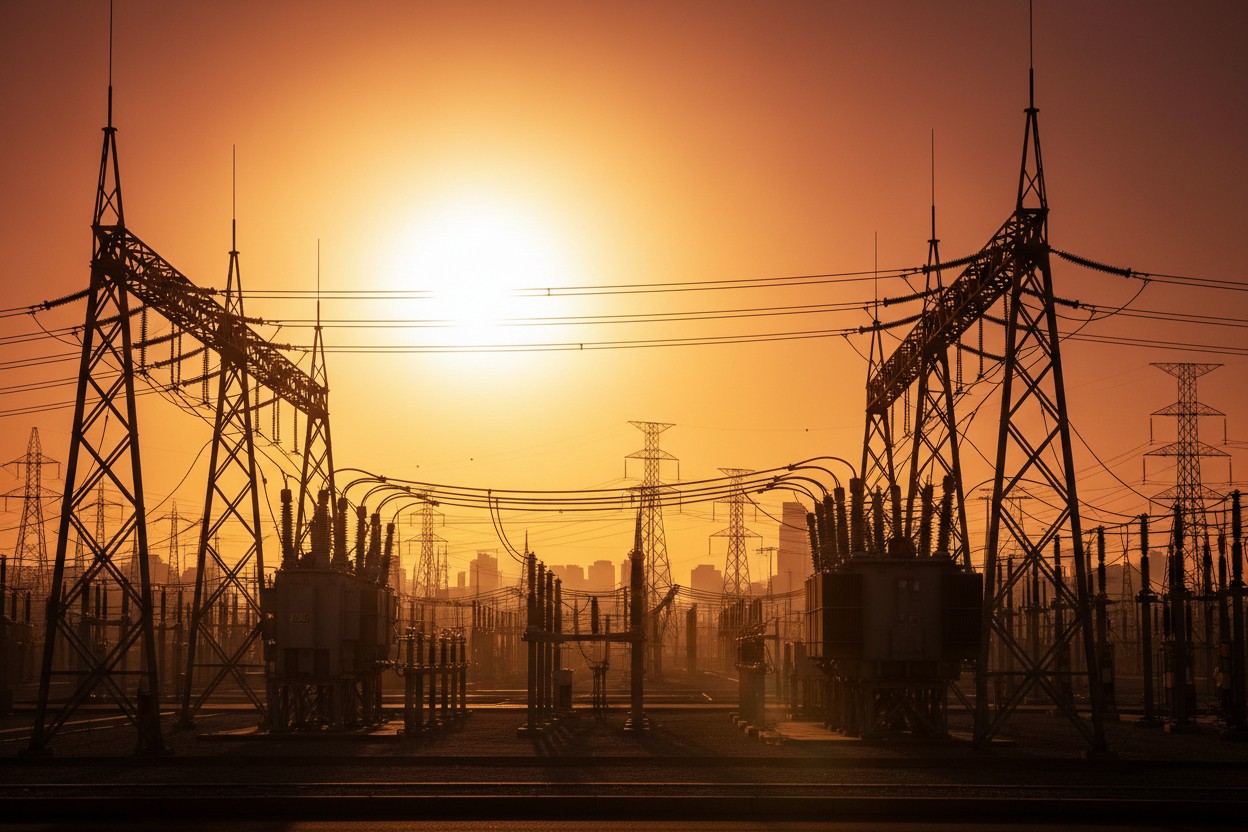
Demand for air conditioning in UK homes has risen as summers have grown hotter, with retailers reporting units selling out, according to BBC News [4]. Housing quality and access to air conditioning were identified as vital factors in heat-related mortality during the 2003 European heatwave, and AC use in some Portuguese hospitals was linked to lower excess deaths [5]. Air conditioning also depends on a functioning electricity supply; grid experts have warned that surging summer demand can lead to blackouts [6].
Eight Recommendations From the Report
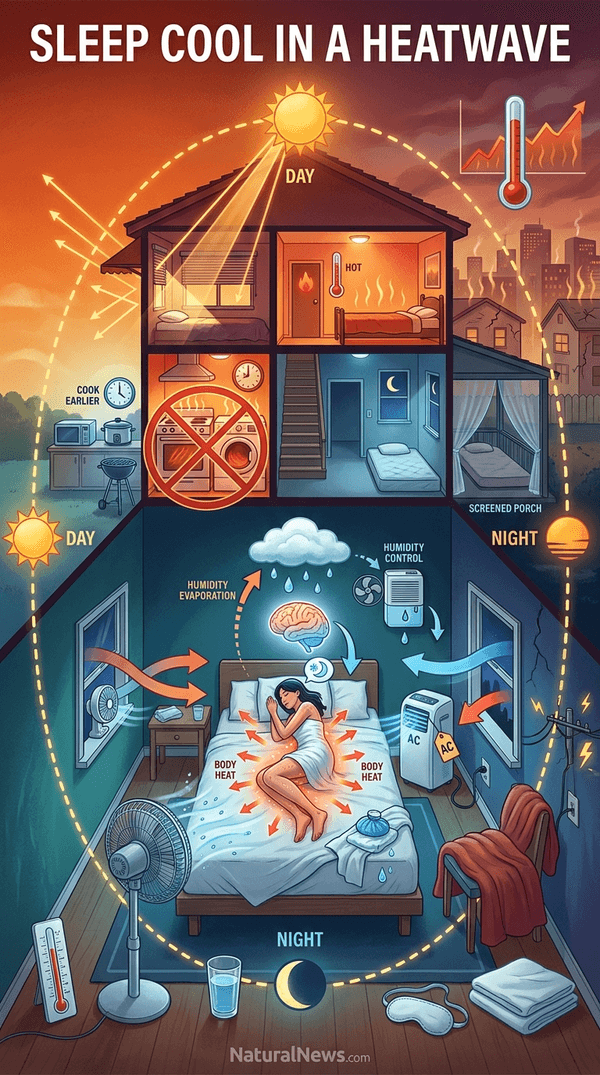
Research on overheating in UK dwellings has examined the risk of excessive indoor temperatures [7]. On sunny days, the report said, keep curtains or blinds closed on sun-facing windows to reduce sunlight entering the room and heating floors, walls and furniture. External shading such as shutters, awnings or shades can be even more effective because it stops some sunlight before it reaches the glass, according to the report. Even with curtains drawn, strong sunlight can pass through narrow gaps and disrupt sleep [8]. Closing curtains and blinds during the day lowers the amount of sunlight entering a house and reduces heat buildup, according to NaturalNews.com [9]. Building energy research has applied external shading devices with low solar transmittance to windows to reduce cooling demand [10].
The report recommended opening windows only when outside air is cooler than indoor air, and using cross-ventilation between windows or doors on different sides of the home to remove built-up heat. Conservatories should be ventilated during the day and internal doors closed so warm air does not spread through the house, the report said. Because heat rises, sleeping on the ground floor or north-facing side of the home may help during a heatwave. South-facing rooms have been described as hothouses that cool only slowly as evening wears on [11]. For households without air conditioning, alternative sleeping locations such as a screened porch have been suggested as a backup [12].
The report advised using heat-producing appliances earlier in the day or later in the evening and using extractor fans when cooking or showering to remove warm, moist air. Light, breathable bedding and clothing made from cotton or linen can help the body lose heat, while heavy duvets and tight synthetic fabrics trap heat and moisture. Fans move air across the skin and can help sweat evaporate, but they do not cool the air; their safety depends on temperature, humidity, age, hydration and health, according to the report. Accounts of heatwaves describe disturbed sleep and the use of fans for relief [13]. Ice packs and freezer blocks should be wrapped in cloth to avoid condensation on bedding or direct contact with skin; cooling mattress toppers using water or phase change materials may also help, the report noted.
Conclusion
The report said the most effective approach is usually a combination: block sunlight during the day, ventilate when outside air is cooler, reduce heat from appliances, sleep in the coolest room available and use bedding that allows the body to lose heat. The measures require no specialized equipment and can be implemented by individual households.
The authors noted that effectiveness depends on building type, outdoor temperature, safety, noise and air quality. Extreme heat carries lethal risks; officials in Phoenix brought in refrigerated morgues as heat-related deaths mounted during temperatures above 110 F [14]. The report concluded that in hot weather, better sleep starts long before bedtime.
References
- BBC News. "'Hotter and hotter and hotter' - Europe's new climate in seven charts". July 4, 2026.
- "THE EXTREME HEAT WAVE IN ATHENS IN JULY 1987 FROM THE POINT OF VIEW OF HUMAN BIOMETEOROLOGY". Atmospheric Environment Vol. 25B, No. 2, pp. 203-211, 1991.
- "The impact of heat waves on mortality in 9 European cities: results from the EuroHEAT project". Journal of Environmental Monitoring.
- BBC News. "How can I get air conditioning in my home and how much does it cost?". July 9, 2026.
- Elsevier. "Para-(Evaluating Gender Disparity in Mortality Due to Extreme Heat: Insights from the 2003 Portuguese Heatwave)". Environmental Science & Policy 12 (2009) 844-854.
- NaturalNews.com. "The lights are about to go out in America warn grid experts". July 6, 2022.
- A.D. Peacock, D.P. Jenkins, D. Kane. "Investigating the potential of overheating in UK dwellings as a consequence of extant climate change". 2010.
- Bron James. "Storm in a Teacup".
- NaturalNews.com. "12 Ways to cool your house during a summer power outage". July 27, 2023.
- Elsevier. "Climate change impacts on building heating and cooling energy demand in Switzerland". 2005.
- Kathryn Mannix. "With the End in Mind".
- NaturalNews.com. "Dont lose your cool: Preps that will help you beat the heat if you lose power". February 21, 2020.
- David Loftus. "Diary of a Lone Twin".
- NaturalNews.com. "Phoenix brings in refrigerated morgues to accommodate more bodies as heat-related deaths mount". August 2, 2023.
Explainer Infographic










Please contact us for more information.