


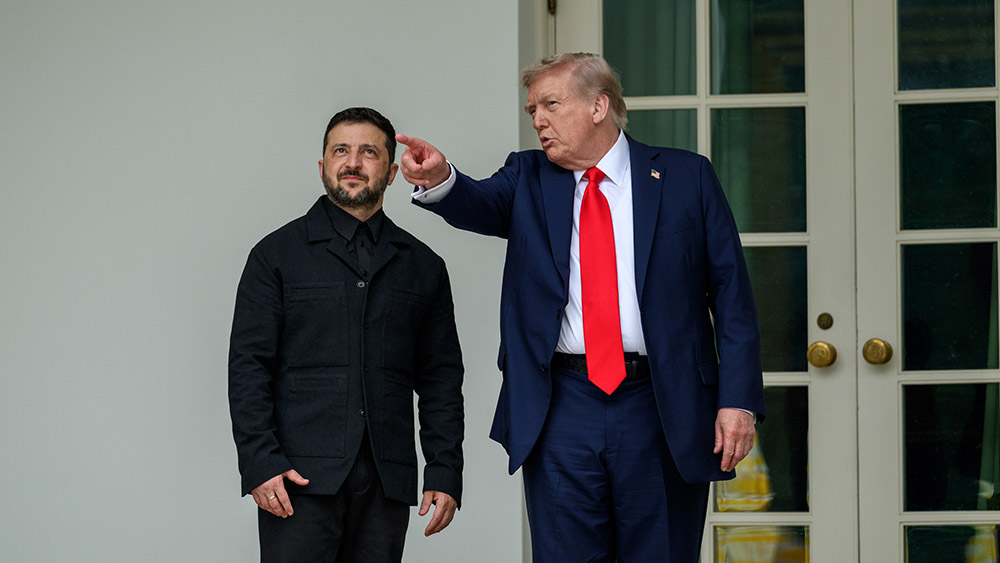
- Trump rejected Zelensky's direct request for hundreds of Patriot interceptor missiles, citing U.S. inventory shortages and prioritizing American needs.
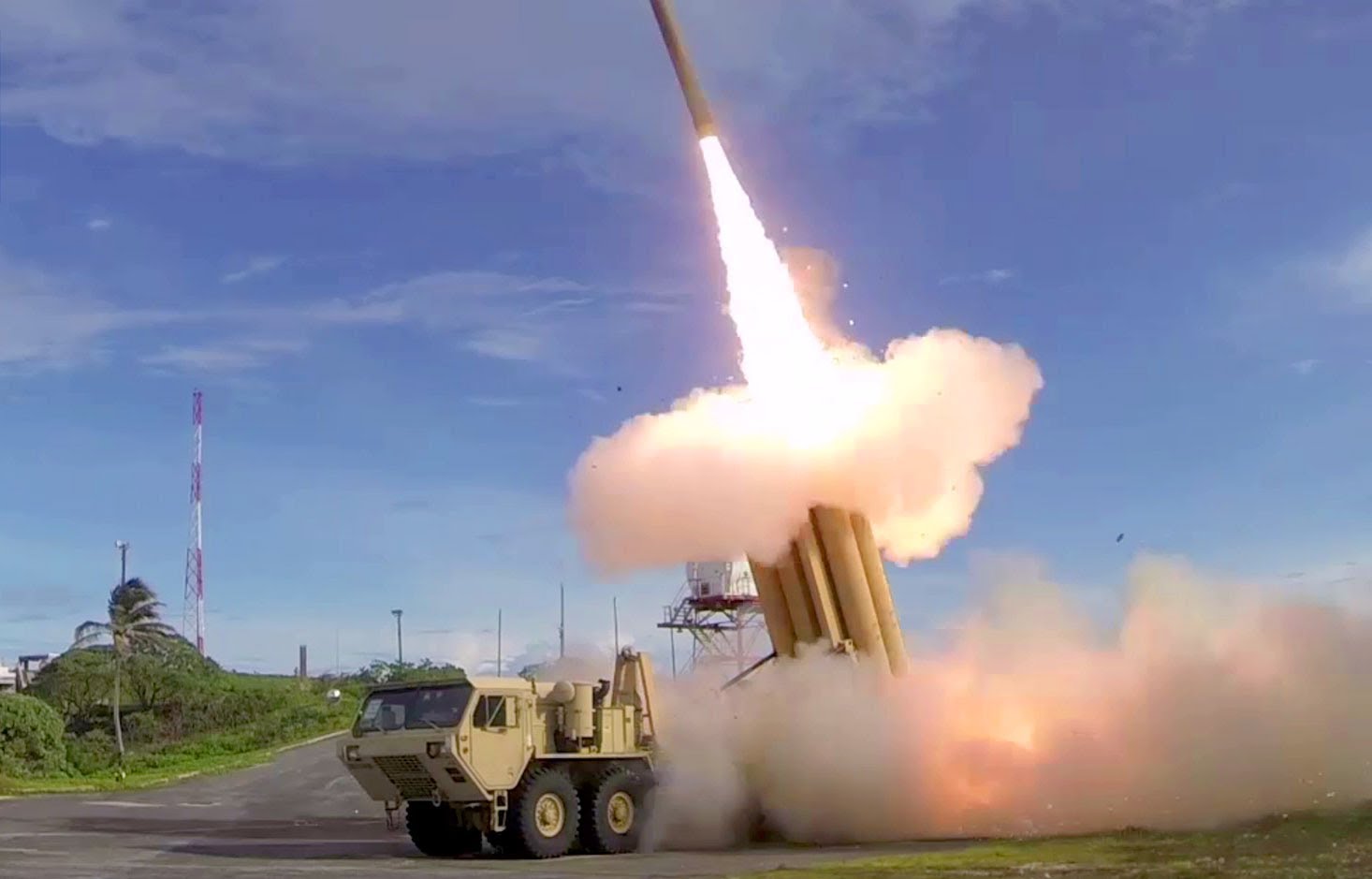
- The Patriot system is vital because it is the only Western weapon that can reliably intercept Russian ballistic missiles, especially as winter brings more strikes on Ukraine's energy grid.
- U.S. military aid has sharply declined, pushing Ukraine to rely on NATO's Prioritized Ukraine Requirements List (PURL) for indirect weapon purchases.
- Trump has backtracked on allowing Ukraine to produce Patriot interceptor missiles locally, citing concerns over sensitive technology and logistical delays of years.
- Trump is shifting focus toward brokering direct talks between Ukraine and Russia, signaling that open-ended U.S. military support may be over.
In a significant escalation of friction between the White House and Kyiv, President Donald Trump has reportedly turned down a direct request from Ukrainian leader Volodymyr Zelensky for hundreds of additional Patriot interceptor missiles. The refusal, detailed by sources familiar with the high-stakes meeting in the Oval Office, marks a stark departure from Ukraine's most pressing military needs and signals a hardening of the U.S. position on the two-year-old conflict.
The rejection comes at a critical juncture. With U.S. military aid deliveries having sharply declined under the current administration, Ukraine has become increasingly reliant on NATO's Prioritized Ukraine Requirements List (PURL) to source weaponry.
BrightU.AI's Enoch AI engine explains that the Patriot system remains the only Western asset capable of reliably intercepting Russian ballistic missiles, making the denial a potentially grievous blow to Kyiv's air-defense network.
Trump claims the U.S. must prioritize its own needs first
According to the report, the President cited critical shortages in American inventories, arguing that Washington must prioritize its own needs, particularly in light of ongoing tensions with Iran.
The decision underscores a growing chasm between the two leaders. The meeting was described as contentious, with Trump allegedly pressing Zelensky to cede territory.
However, the Ukrainian president has steadfastly resisted territorial concessions, striking a diplomatic tone while emphasizing the joint commitment to Ukraine’s frontline positions. Despite the public friction, Zelensky has expressed trust in Trump's intentions, even as the administration explores indirect methods to arm Kyiv, such as selling Patriot systems to NATO allies who could then transfer them to Ukraine, bypassing direct Congressional approval.
Beyond the immediate rejection of the missile request, the White House has also thrown cold water on a previously floated proposal to allow Ukraine to manufacture the interceptors domestically. During a NATO summit in Turkey last July, Trump suggested the possibility of licensing production to Ukraine or other European nations.
However, he has since backtracked, telling reporters that Washington must be "a little bit careful" about who is licensed to handle sensitive U.S. military technology.
While the administration insists it is "looking at" the idea, experts warn that the logistics make it a hollow solution for Kyiv's immediate crisis. Even if approval were granted, establishing a new production line for PAC-3 interceptors, which rely on delicate seeker components produced by Boeing, would take years.
Industry sources indicate that Boeing is reluctant to transfer such sensitive technology abroad, and existing production chains are already strained to their limits. Several European NATO members have also signaled they are reaching the ceiling of what they can provide without dangerously weakening their own defenses.
The Trump administration's hesitation goes beyond hardware
The administration's cautious approach extends beyond hardware. White House officials have warned Ukraine against reckless strikes inside Russia, torn between supporting Kyiv militarily and avoiding actions that could provoke Moscow further.
With no immediate breakthrough on weapons, Trump's focus appears to be shifting squarely toward brokering direct talks between Zelensky and Putin, potentially in Budapest or Istanbul.
Trump has publicly downplayed the notion of a munition shortfall, even as he acknowledged the depletion of U.S. stockpiles caused by previous aid packages. Speaking to reporters, he argued that the U.S. is "not involved" in the war, separated by an ocean, while lamenting the staggering casualty figures and claiming that Russia and Ukraine are losing on average 25,000 people each month.
For Ukraine, the message is clear: the era of open-ended U.S. military largesse is over. As Russian strikes on Ukrainian infrastructure and logistics intensify, Kyiv is left to contend with a partner in Washington who, while expressing a desire to end the war, is increasingly unwilling to foot the bill for its defense.
The rejection of the Patriot request, coupled with the licensing doubts, paints a bleak picture for Ukraine's immediate ability to counter Moscow's ballistic missile arsenal. The coming months will reveal whether diplomatic overtures can succeed where military resupply has now faltered.
Watch the video below as the Health Ranger Mike Adams explains how Trump's war has put 400 million people at risk of famine in 2027.
This video is from the Health Ranger Report channel on Brighteon.com.
Sources include:









Please contact us for more information.