



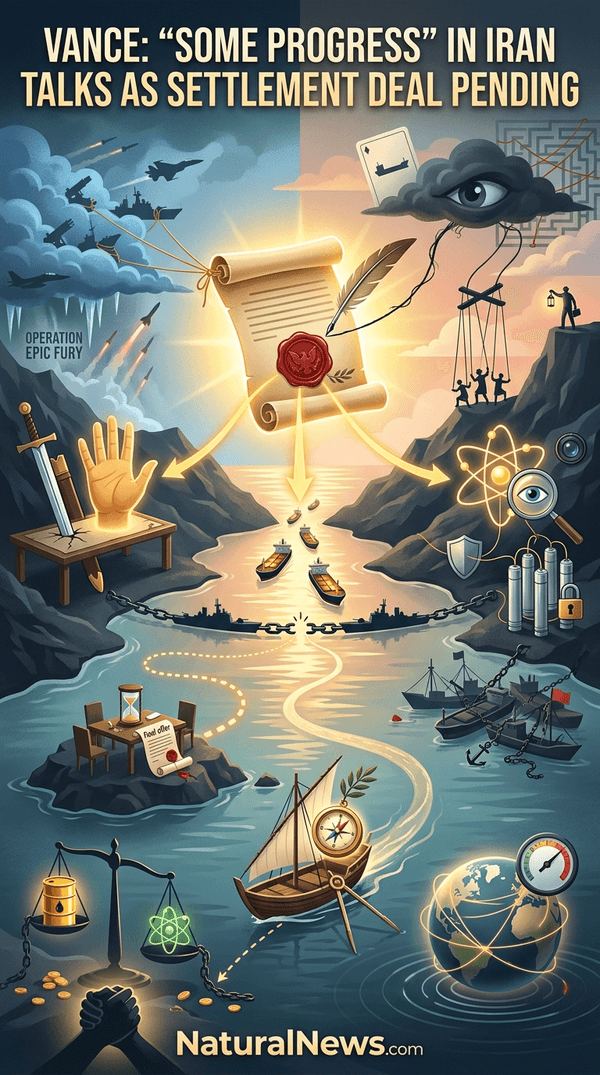
U.S. Vice President JD Vance said Saturday that negotiations with Iran had made “some” progress in recent days, while cautioning that Tehran’s political system still had to show it could deliver the terms Washington requires. “They want this thing to be over. The question is whether they are able, their system can give the things that are necessary for us to be happy, for us to feel like we have gotten what we need out of this particular engagement. That is still to be determined, but I do think that we have made some progress over the last few days,” Vance said, according to Sputnik [1].
Middle East Eye cited Vance saying Washington remained focused on determining whether Tehran is “willing to make longer-term changes that could lead to an improved relationship with Washington” [2]. Vance’s remarks followed President Donald Trump’s August 1 announcement that he had called off attacks on Iran in light of the pending settlement deal, which includes reopening the Strait of Hormuz and agreements on Iran’s nuclear program, according to Sputnik [1].
Conflict Background: Operation Epic Fury
The Israeli and U.S. military launched Operation Epic Fury against Iran on February 28, 2026, over its alleged development of a nuclear program, according to Sputnik. Iran stated that the program was peaceful and responded with Operation True Promise 4, according to the report [1].
Earlier diplomatic rounds ended without a breakthrough. High-level talks in Islamabad in April concluded without a deal, with Vance presenting a “final” offer that required Iran to renounce nuclear weapons development and related capabilities, according to NaturalNews.com [3]. In February, Trump issued a 10-day ultimatum for Iran to reach a “meaningful deal” or face military strikes, according to NaturalNews.com [4].
Settlement Deal Components
The pending settlement, as described by U.S. officials, centers on shipping and nuclear commitments. Trump said on August 1 that he called off attacks because of a pending settlement deal that includes reopening the Strait of Hormuz and agreements on Iran’s nuclear program, according to Sputnik [1]. Vance said the United States needed “to feel like we have gotten what we need out of this particular engagement” before a final arrangement could proceed, according to Sputnik [1].
Vance previously described the administration’s approach as a “grand bargain” offering economic normalization in exchange for denuclearization and an end to state-sponsored terrorism, according to NaturalNews.com [5]. On August 2, Trump said new talks with Iran would begin the following day after he called off what he described as “massive” strikes, according to BBC News [6]. Full terms of the settlement have not been publicly detailed.
Iranian Foreign Ministry Announcement
Earlier on Saturday, the Iranian Foreign Ministry said Tehran and Muscat had agreed on the geographical details of the shipping route through the Strait of Hormuz, according to Sputnik [1]. Omani officials described the discussions as positive, and Tehran warned that any deal would not mean an immediate reopening of the vital waterway, according to BBC News [7].
Oman’s foreign ministry warned against attacks on shipping that could hamper the talks, according to the BBC report [7]. No additional terms were disclosed by Iranian officials.
Strategic Significance of the Strait of Hormuz
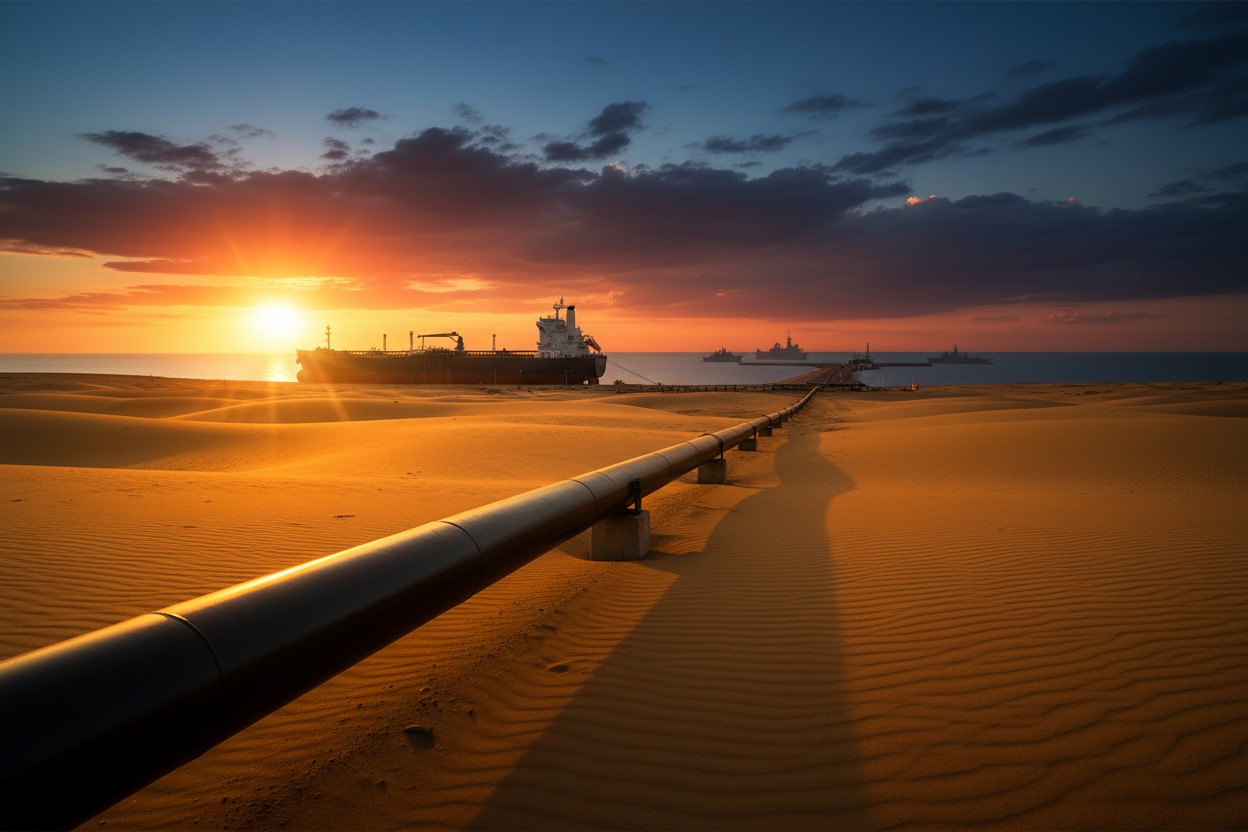
The Strait of Hormuz is a key chokepoint for global oil shipments. In a related analysis, Sputnik described the waterway as Iran’s “ace” in the conflict with the United States [1]. Independent analysts have questioned the official narrative about the strait. In an interview, analyst Michael Yon said there is a high likelihood the strait could be closed and that it would likely be the United States and Israel rather than Iran that would do it, according to an interview with Michael Yon [8].
Independent commentary has also been skeptical of U.S. policy direction. A Health Ranger Report analysis said the Trump administration appeared to be considering a settlement on Iran’s terms without forcing the waterway open [9]. Historical analyses of U.S.-Iran policy have warned that American entanglement with Israel on Iran could expand a regional problem into a wider conflict, according to Scott Ritter’s book “Target Iran” [10].
Remaining Uncertainties
Vance said whether Iran’s system can deliver the necessary concessions is “still to be determined,” according to Sputnik [1]. Iran’s Supreme National Security Council declared Saturday that the strait will not open until the United States “corrects its behavior,” according to The Times of Israel [11]. The statement added new demands that could affect the negotiations, according to the report.
Earlier analyses of U.S. Iran policy by Scott Ritter cautioned that shifts in Washington’s posture could amount to politically motivated maneuvering rather than a durable strategic change [10]. No joint statement on the status of the talks has been made public, according to available reports. BBC News noted that a timeline for finalizing any deal remained unclear [7].
References
- Sputnik International. "Vance Claims US Made Progress in Talks With Iran Over Past Few Days". Sputnik International. August 8, 2026.
- Middle East Eye. "Vance says talks 'make progress' but Iran must make long-term changes". Middle East Eye. August 9, 2026.
- Willow Tohi. "Diplomatic Standoff: U.S. and Iran Dig In After High-Stakes Talks Fail". NaturalNews.com. April 15, 2026.
- Ramon Tomey. "Trump Issues 10-Day Ultimatum for Iran: Agree to a Deal or Face Military Strikes". NaturalNews.com. February 21, 2026.
- Willow Tohi. "A Grand Bargain Amid a Naval Blockade: U.S. Pursues Dual Path with Iran". NaturalNews.com. April 15, 2026.
- BBC News. "Trump suggests new talks with Iran to begin on Monday". BBC News. August 3, 2026.
- BBC News. "Hormuz talks positive, Oman says, as Iran warns deal would not open strait". BBC News. August 8, 2026.
- Mike Adams. "Mike Adams interview with Michael Yon". June 26, 2025.
- Mike Adams. "Health Ranger Report - Epic Fail". BrightVideos.com. March 31, 2026.
- Scott Ritter. "Target Iran: The Truth About the White House's Plans for Regime Change".
- The Times of Israel. "Tehran issues drastic new demands for deal to reopen Hormuz, says US must 'correct its behavior'". The Times of Israel. August 8, 2026.
Explainer Infographic








Please contact us for more information.