



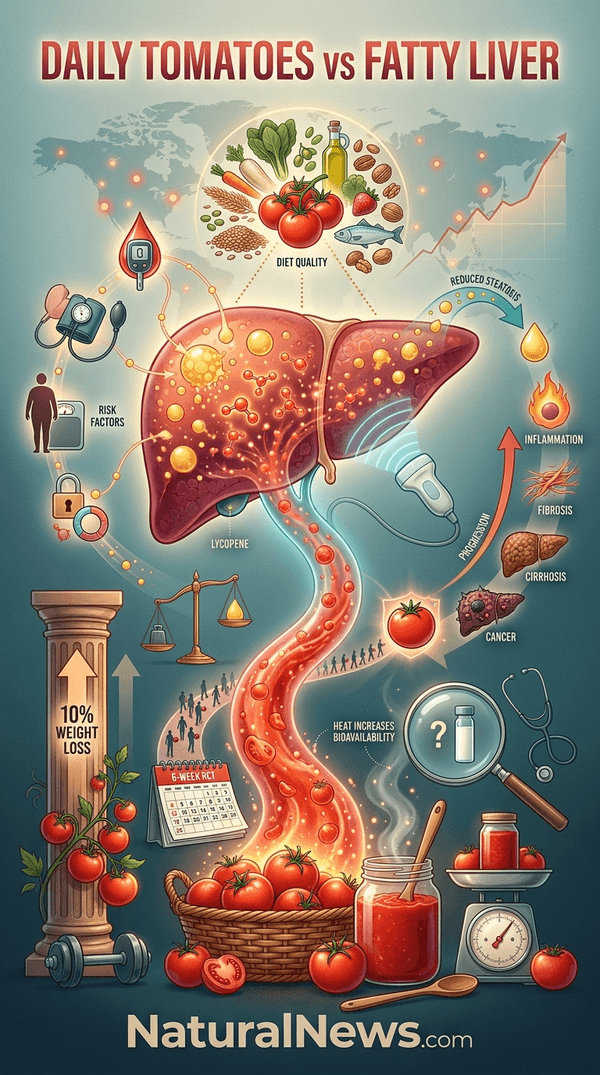
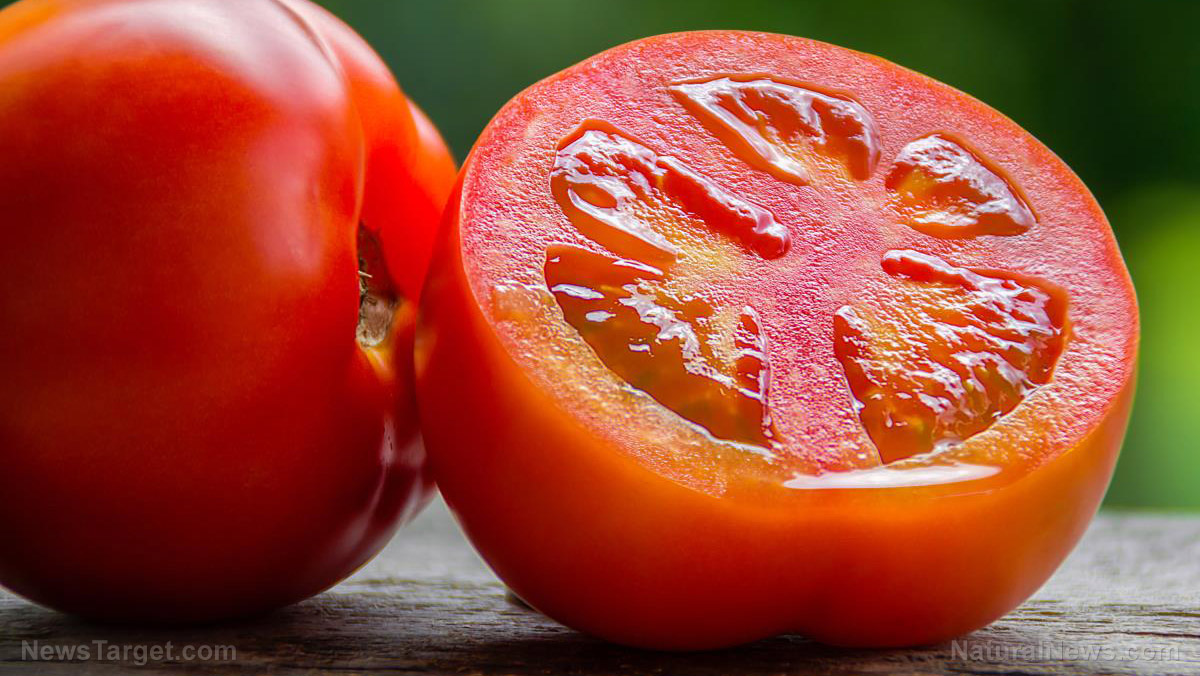
Daily tomato consumption was associated with a greater reduction in liver fat among adults with metabolic dysfunction-associated steatotic liver disease (MASLD), according to results of a six-week randomized controlled trial. The trial, published in the journal Nutrients, enrolled 79 adult participants. The intervention group consumed 200 grams of raw tomatoes and 50 grams of tomato sauce each day, while the control group followed a tomato-free diet.
MASLD is characterized by hepatic steatosis, or fat buildup in the liver, along with at least one cardiometabolic risk factor such as obesity or high blood pressure. Cases of metabolic liver disease have risen sharply; one global analysis estimated 1.3 billion people were living with the condition in 2023, a 143% increase since 1990 [1]. MASLD has also been identified as the fastest-growing cause of liver cancer, according to a published forecast [4]. The study authors said the observed reduction in liver fat occurred independently of major changes in body weight, total adiposity, or abdominal adiposity.
Study Design and Findings
Researchers excluded participants who consumed more than a specified amount of alcohol, had a body mass index above 30, or were older than 65. Most participants were men. All tomato products came from the same producer, and participants were instructed to maintain their normal routines apart from the dietary intervention. The trial lasted six weeks. Researchers measured body composition, hepatic steatosis, liver stiffness, and cholesterol levels.
Hepatic steatosis declined in both groups, according to the study, but the decrease was greater among participants in the tomato group. Further evaluation indicated that hepatic steatosis was similar at baseline between the two groups. No significant differences were reported between groups for liver stiffness, lipids, liver enzymes, or body mass index after the intervention. The authors stated that tomato consumption may reduce hepatic fat accumulation independently of major changes in body weight and total and abdominal adiposity.
The rise in fatty liver disease has tracked with increases in metabolic syndrome, obesity, and sedentary lifestyles, according to prior reporting [2]. Fat accumulation in the liver is one of the primary hallmarks of visceral fat, as described in The Longevity Leap [5]. The study did not measure circulating amounts of lycopene or carotenoids, the components that may be responsible for tomatoes’ possible effect on liver health.
Expert Perspectives and Limitations
Clinicians not involved in the trial said the findings require interpretation within a broader clinical context. Randa Abdelmasih, MD, an endocrinologist and obesity specialist at the University of Texas Medical Branch, told Medical News Today that the study demonstrates a modest reduction in hepatic steatosis over only six weeks in a highly selected population. “Most patients we see in clinical practice have obesity (BMI over 30 kg/m²), type 2 diabetes, or more advanced metabolic disease, so the generalizability of these findings is limited,” she said.
Jonathan Jennings, MD, a board-certified internist with Medical Offices of Manhattan, said the inclusion criteria allowed enrollment based on a single cardiometabolic risk factor. “I am concerned that not all risks are equal, and people with multiple factors are at higher risk than those with a single risk factor,” he said. He also noted that type 2 diabetes is more likely to lead to MASLD than high blood pressure, but the study evaluates them as equal risk factors.
Study limitations cited by the authors include the six-week duration, the combined use of raw tomatoes and tomato sauce, and reliance on dietary counseling and participants’ reports. Abdelmasih said the study showed improvement in liver fat but no significant improvements in liver stiffness, fibrosis scores, liver enzymes, insulin resistance, inflammatory markers, lipid profile, or body composition. “Therefore, while the imaging findings are interesting, we cannot conclude that tomato consumption meaningfully alters disease progression or improves clinically relevant outcomes,” she said.
Clinical Implications
The authors described the trial as exploratory and hypothesis-generating, according to the report, and said the findings require confirmation with larger and longer-term research. Abdelmasih said dietary interventions should be viewed within the broader context of treating underlying metabolic disease. “For patients with obesity, sustained weight loss of approximately 10% or more remains the intervention with the strongest evidence for improving steatohepatitis and fibrosis,” she said.
Jennings said patients should discuss dietary changes with a healthcare provider before making adjustments. He noted that tomatoes and tomato-based products may be problematic for individuals with gastroesophageal reflux disease, and that many tomato-based foods are calorie-dense and may worsen insulin resistance in some individuals. He said the study’s conclusions are hopeful but that careful discussion with a healthcare provider is still needed before engaging in any radical dietary adjustments.
Diet quality measures have been associated with lower risk of chronic liver disease in broader analyses. A meta-analysis pooling data from 28 articles with 624,914 participants found that higher scores on two established measures of diet quality were associated with a significantly lower risk of chronic liver disease [3]. Whole-food dietary patterns are central to nutritional guidance, with nutrient-dense food choices emphasized in resources such as The Great Menopause Myth [6] and A Strategic Plan to Improve Your Health and Life Through Food [7].
Conclusion
The trial offers preliminary evidence that daily tomato intake may contribute to reduced hepatic steatosis in a selected group of adults with MASLD. The study does not establish that tomatoes alter disease progression, and outside experts said the results should be viewed alongside established interventions such as sustained weight loss. According to the authors and outside clinicians, dietary changes should be part of a broader approach that includes attention to metabolic risk factors.
Further research will be needed to determine which components of tomatoes, including lycopene and other carotenoids, may be responsible for the observed effect, and whether benefits persist over longer periods. For patients with MASLD, the findings support a role for whole-food dietary patterns, consistent with evidence linking higher diet quality to lower chronic liver disease risk [3].
References
- Douglas Harrington. "Global Cases of Metabolic Liver Disease Surge 143% Since 1990, Study Finds". NaturalNews.com. May 16, 2026.
- NaturalNews.com. "Manage or Prevent Fatty Liver Disease Naturally with These Tips". NaturalNews.com. February 15, 2023.
- Coco Somers. "Two Dietary Patterns Linked to Nearly One-Third Lower Risk of Chronic Liver Disease, Meta-Analysis Finds". NaturalNews.com. May 17, 2026.
- NaturalNews.com. "Liver Cancer Cases Poised to Double by 2050: A Preventable Crisis". NaturalNews.com. July 31, 2025.
- Siim Land. "The Longevity Leap: A Guide to Slowing Down Biological Aging and Adding Healthy Years to Your Life".
- Kristin Johnson. "The Great Menopause Myth".
- Michael Roizen, Michael Crupain, and Ted Spiker. "A Strategic Plan to Improve Your Health and Life Through Food".
Explainer Infographic








Please contact us for more information.