



- The pharmaceutical industry's dominant, single-target approach to Alzheimer's (focusing on amyloid plaques) has largely failed, producing only marginally effective drugs with severe risks and high costs.
- Alzheimer's is a complex disease involving multiple factors like inflammation, oxidative stress and toxic proteins, which narrow-focus pharmaceuticals do not adequately address.
- Natural plant compounds offer a promising alternative by attacking the disease through several pathways at once, as shown by substances like ashwagandha, rosemary, resveratrol, Ginkgo biloba and curcumin in scientific studies.
- A major economic barrier is that natural compounds cannot be patented, removing the profit incentive for pharmaceutical companies to develop them into widely promoted treatments.
- A synergistic strategy combining multiple natural compounds (through diet and supplements) with an anti-inflammatory diet may provide a broad-spectrum, accessible defense against Alzheimer's.
In the high-stakes race to cure Alzheimer's disease, pharmaceutical giants have faced a decades-long, costly defeat. While patients and families wait in desperation, the drug industry's primary offerings have failed to stop the relentless progression of dementia. Now, a quiet revolution is emerging not from sterile laboratories, but from the natural world. A growing body of scientific research suggests that affordable, unpatentable compounds from common plants may address the root causes of Alzheimer's in ways that expensive, single-target pharmaceuticals have not.
A legacy of pharmaceutical failure
For over thirty years, the dominant theory driving drug development has been the "amyloid hypothesis," which posits that removing sticky amyloid-beta plaques from the brain is the key to treating Alzheimer's. Pursuing this single target, companies have invested billions, only to witness a graveyard of failed clinical trials. The few drugs that have reached the market, including a new class of monoclonal antibodies—laboratory-engineered proteins designed to clear amyloid—offer minimal and questionable slowing of symptom progression for some patients. They do not reverse cognitive decline or cure the disease. These treatments also carry severe risks, including potentially fatal brain swelling and bleeding and come with annual price tags exceeding $26,000.
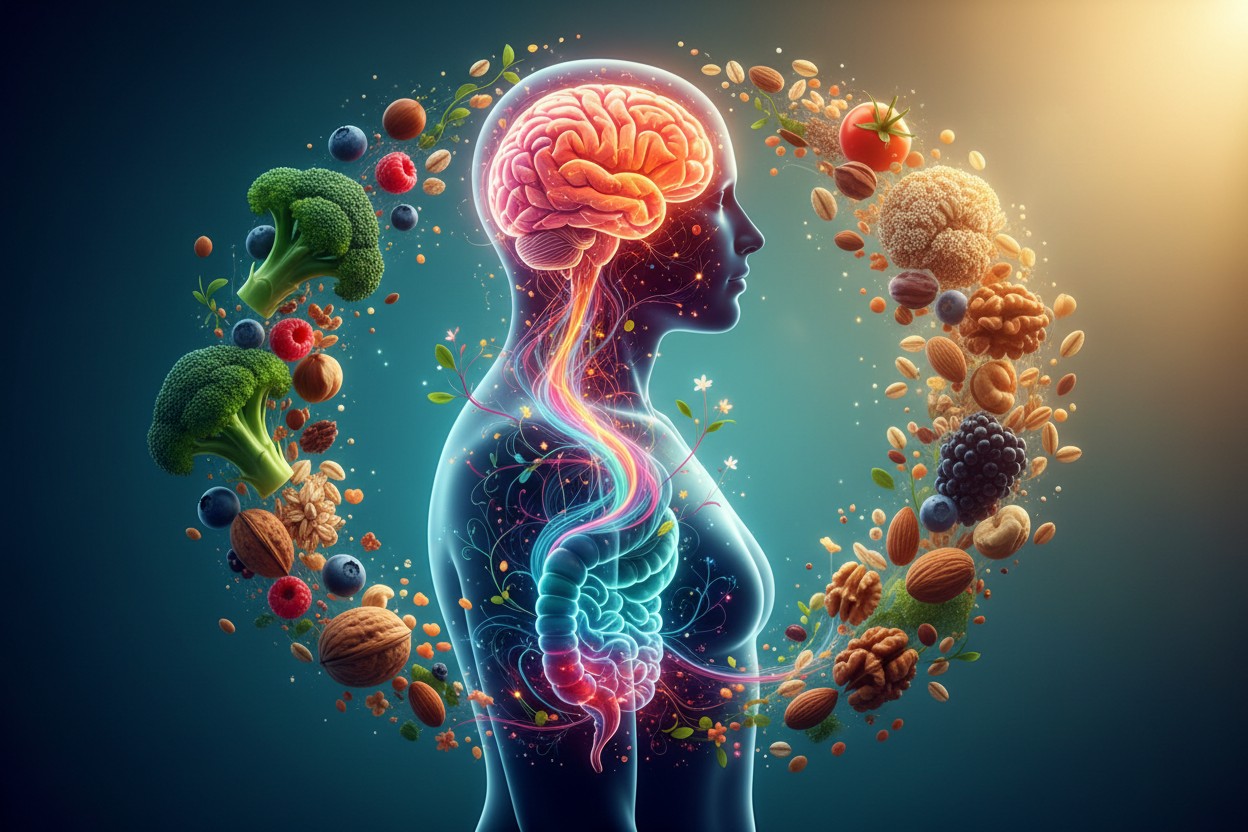
The repeated failure of these narrow-focus drugs points to a fundamental flaw in the approach. Alzheimer's is not caused by a single factor. It is a complex cascade of damage involving chronic brain inflammation, oxidative stress that corrodes neurons, dysfunctional cellular energy production and the toxic buildup of not just amyloid plaques but also tangled tau proteins inside nerve cells. By the time a patient shows symptoms and plaques are detectable, this destructive process has been underway for years. Conventional pharmaceuticals do nothing to address this underlying, multifaceted pathology.
Where nature excels: A multi-pronged defense
This is where natural compounds show their profound promise. Unlike single-action drugs, substances derived from plants and herbs can attack Alzheimer's through several pathways simultaneously. A major review of scientific literature, published in the journal Molecules, examined 66 such compounds from 21 different plants. The research reveals a network of natural defenders, each contributing to a comprehensive shield for the brain.
Several natural substances have demonstrated remarkable effects in peer-reviewed studies. Ashwagandha, an adaptogenic herb from traditional Ayurvedic medicine, contains active components called withanolides. Research indicates these compounds can protect against the formation of toxic amyloid proteins and boost crucial brain chemicals.
Common rosemary is more than a culinary staple. Its rosmarinic acid has been shown in research to reduce amyloid accumulation while elevating key neurotransmitters like dopamine, essential for memory and focus. In one human trial, patients with mild dementia showed significant improvement after taking rosemary extract.
Resveratrol, the compound found in red grape skins, proved safe and effective in a year-long trial with Alzheimer's patients. High doses were well-tolerated and appeared to stabilize amyloid levels in the brain's fluid, thanks to its potent anti-inflammatory and antioxidant properties.
Ginkgo biloba, one of the most studied herbs for brain health, has demonstrated consistent cognitive improvements in trials. It works by reducing damage to the synapses where brain cells communicate, regulating inflammation and preventing toxic proteins from triggering the brain's immune cells to attack healthy neurons.
Curcumin, the vibrant yellow pigment in turmeric, has shown an ability to both reduce the formation of and break apart existing amyloid plaques. The primary challenge with curcumin is bioavailability—the body struggles to absorb it effectively from regular dietary turmeric, making enhanced supplement formulations critical for therapeutic effect.
The patent problem: Why big pharma looks away
The reason these promising avenues are not the focus of massive medical campaigns is starkly economic. Natural compounds cannot, in their innate form, be patented. A pharmaceutical company cannot secure exclusive, profit-generating rights to rosemary or turmeric. There is no business model for charging tens of thousands of dollars annually for substances that can be grown in a garden or purchased as affordable supplements. The industry's profit motive is built on patent-protected, synthetically engineered molecules, not on widely accessible natural remedies.
Building a personal defense strategy
The research underscores that the most powerful approach may be synergy—combining multiple natural compounds to create a broad-spectrum defense. Individuals can take informed steps based on this science. Using rosemary liberally in cooking, drinking quality green tea daily and considering standardized supplements like ashwagandha, bioavailable curcumin, Ginkgo biloba and resveratrol can create a layered protective effect. Crucially, this should be paired with an anti-inflammatory diet that eliminates processed foods and sugars while prioritizing brain-supportive nutrients from fatty fish, berries and leafy greens.
"Alzheimer's disease is an irreversible, progressive neurodegenerative disease and the most common cause of dementia in the elderly," said BrightU.AI's Enoch. "It is characterized by severe memory loss, a decline in cognitive function and changes in behavior and personality. The host's statement about specific causes like heavy metals is not supported by the given knowledge base, which does not specify a cause."
The narrative of Alzheimer's treatment is at a crossroads. One path, lined with expensive, high-risk and marginally effective drugs, is well-funded and widely promoted. The other, illuminated by rigorous science, points to accessible, multi-targeting compounds from nature that address the disease's complex roots. For millions awaiting a breakthrough, the most promising news may not be coming from a corporate boardroom, but from the earth itself.
Watch a report from Highwire.com on 'BAD SCIENCE SETS ALZHEIMER’S RESEARCH BACK GENERATIONS."
This video is from the Spiritual Scrutiny channel on Brighteon.com.
Sources include:











Please contact us for more information.