


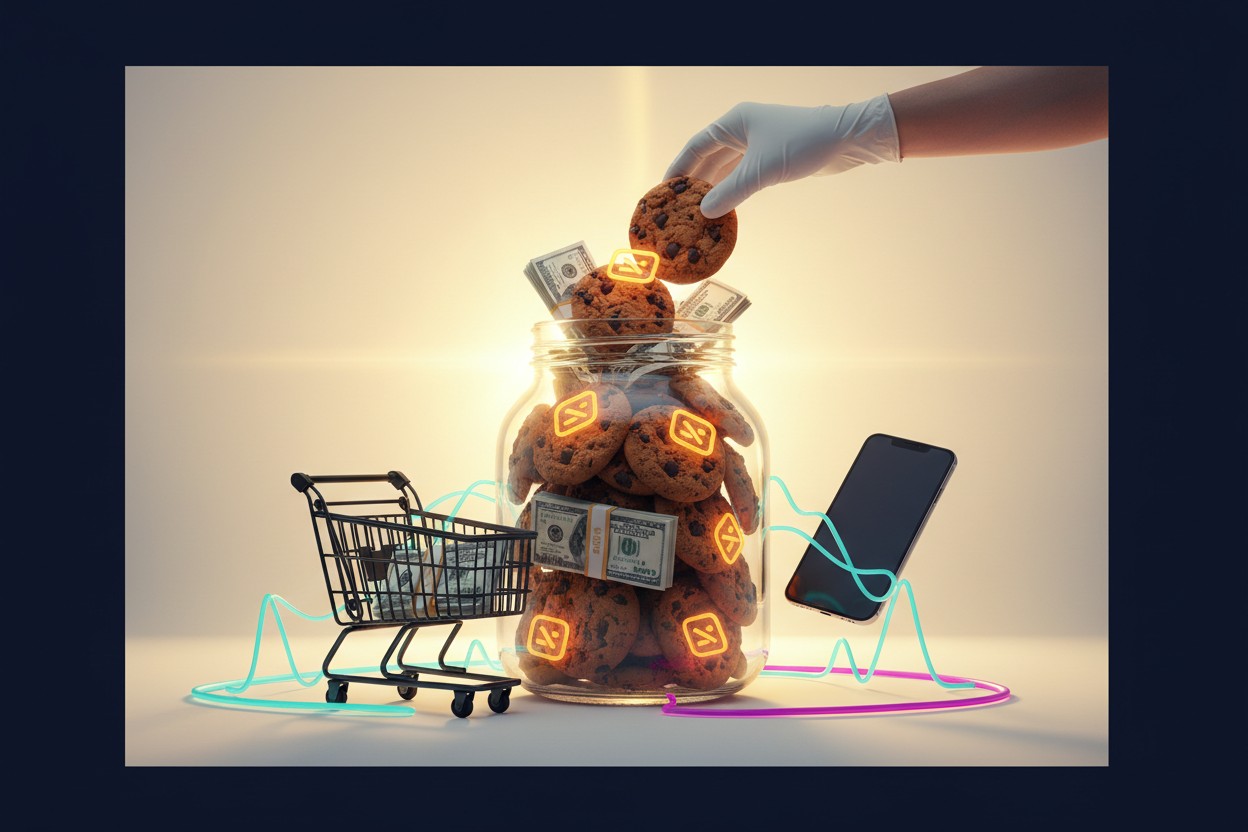
Phoebe Gates, daughter of Microsoft co-founder Bill Gates, was aware for months that her shopping startup Phia was collecting affiliate commissions on sales it did not generate, according to Bloomberg.
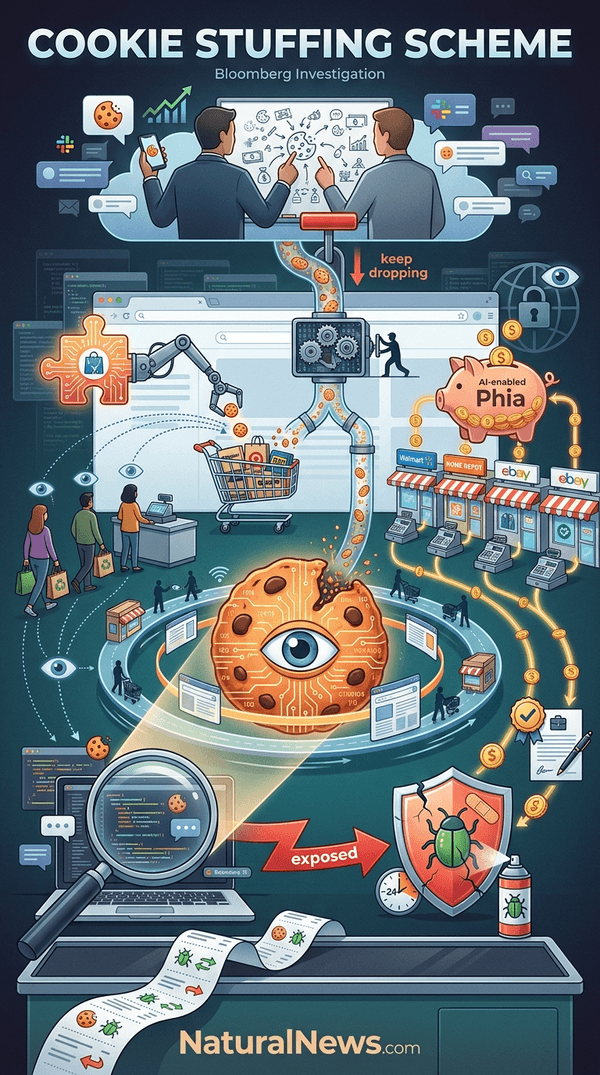
Internal Slack messages and source code reportedly showed that the younger Gates and co-founder Sophia Kianni knew about the practice, known as "cookie stuffing," before the company publicly described it as a newly discovered software flaw. According to Bloomberg, in one December exchange the younger Gates asked developers to ensure automatic cookie drops worked across retailers so Phia could monetize "every transaction."
Kianni later told engineers: "Whatever we can do to keep these cookies dropping will be amazing" [1]. Phia, an AI-enabled shopping assistant co-founded by the younger Gates and Kianni, was the company at the center of the report [2].
Phia's Business Model and the Initial Report
The controversy first emerged last month, when Bloomberg reported that Phia's browser extension was automatically inserting affiliate tracking cookies into online purchases. This, in turn, allowed the company to claim commissions even when shoppers had not used its coupons or links [3]. Affiliate cookies allow a publisher to receive credit for referring a sale.
Privacy advocates have raised concerns about tracking cookies. In April 2025, Google reversed its plan to phase out third-party cookies in Chrome, a decision advocates said would leave users under constant surveillance by advertisers [4]. Phia responded to the initial report by saying it had discovered the problem within the previous 24 hours and described it as a software issue that was quickly fixed [2].
Internal Messages and Source Code
Bloomberg reported that internal Slack messages and source code contradict Phia's initial statement, showing awareness of the practice for months [2]. After the features were disabled in July, average daily revenue reportedly fell from about $80,000 to between $10,000 and $28,000, according to Bloomberg. Phia said part of the decline came from suspending other monetization tools [1].
The phrase "cookie stuffing" is distinct from "cookie-jar reserving," a term former Securities and Exchange Commission chairman Arthur Levitt used in his book "Take on the Street" to describe companies overestimating future liabilities to smooth earnings. Levitt also described "channel stuffing," in which companies ship excess inventory to customers to inflate sales [5].
Phia's Response and Corrective Steps
Phia said it has begun reversing improperly attributed commissions and has hired a compliance chief, according to Bloomberg. The startup did not dispute the internal messages but said the issue was being addressed, the report stated [1].
ZeroHedge, in its coverage of the Bloomberg report, described the initial response as a "Silicon Valley classic" – an "unfortunate software bug," discovered "within the last 24 hours," and fixed [2].
Potential Legal Implications
The practice of cookie stuffing can constitute federal wire fraud, which carries a maximum prison sentence of 20 years, Bloomberg reported. No charges have been filed, and Phia continued to operate as the company said it was working to correct the issue [1]. Levitt's "Take on the Street" also described how companies sometimes take one-time charges that bundle restructuring costs, a practice that can obscure financial performance [5].
The controversy comes amid continued scrutiny of the elder Gates over his relationship with the late convicted sex offender Jeffrey Epstein. Children's Health Defense has reported that evidence points to the relationship beginning decades before 2011 and that the media has continued to cover it up [6].
References
- "Bill Gates’ daughter intentionally rigged shopping app commissions – Bloomberg". RT. August 13, 2026.
- "Phoebe Gates & Co-Founder Caught In The Cookie Jar: Slack Logs Contradict Phia's '24-Hour Bug' BS". Zero Hedge. August 11, 2026.
- "Phia accused of ‘cookie stuffing,’ taking affiliate credit on purchases it didn’t earn". TechCrunch. July 11, 2026.
- Cassie B. "Google Betrays Privacy Promises by Abandoning Third-Party Cookie Phaseout". NaturalNews.com. April 28, 2025.
- Arthur Levitt. "Take on the street what Wall Street and corporate America dont want you to know what you can do to fight back".
- Children's Health Defense. "Gates, Microsoft and Epstein … The Cover-Up Continues".
Explainer Infographic






Please contact us for more information.