


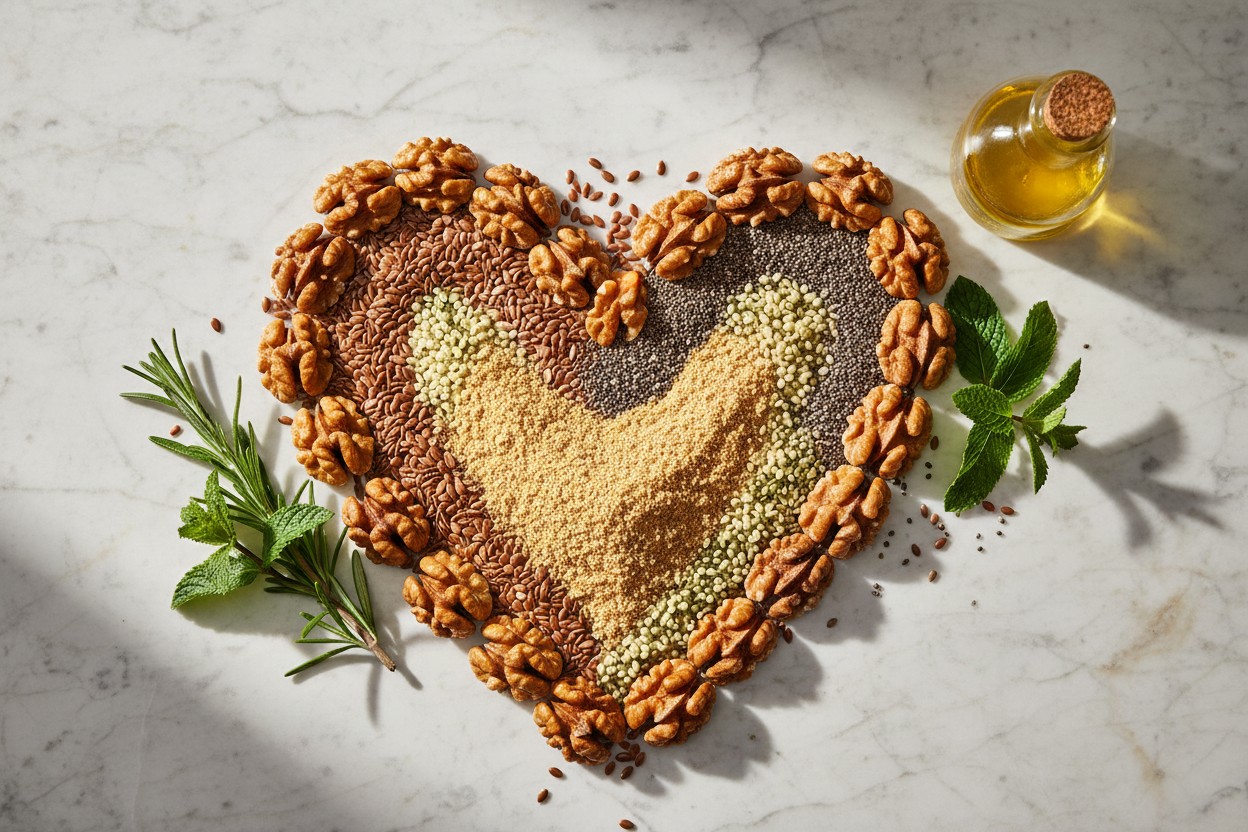
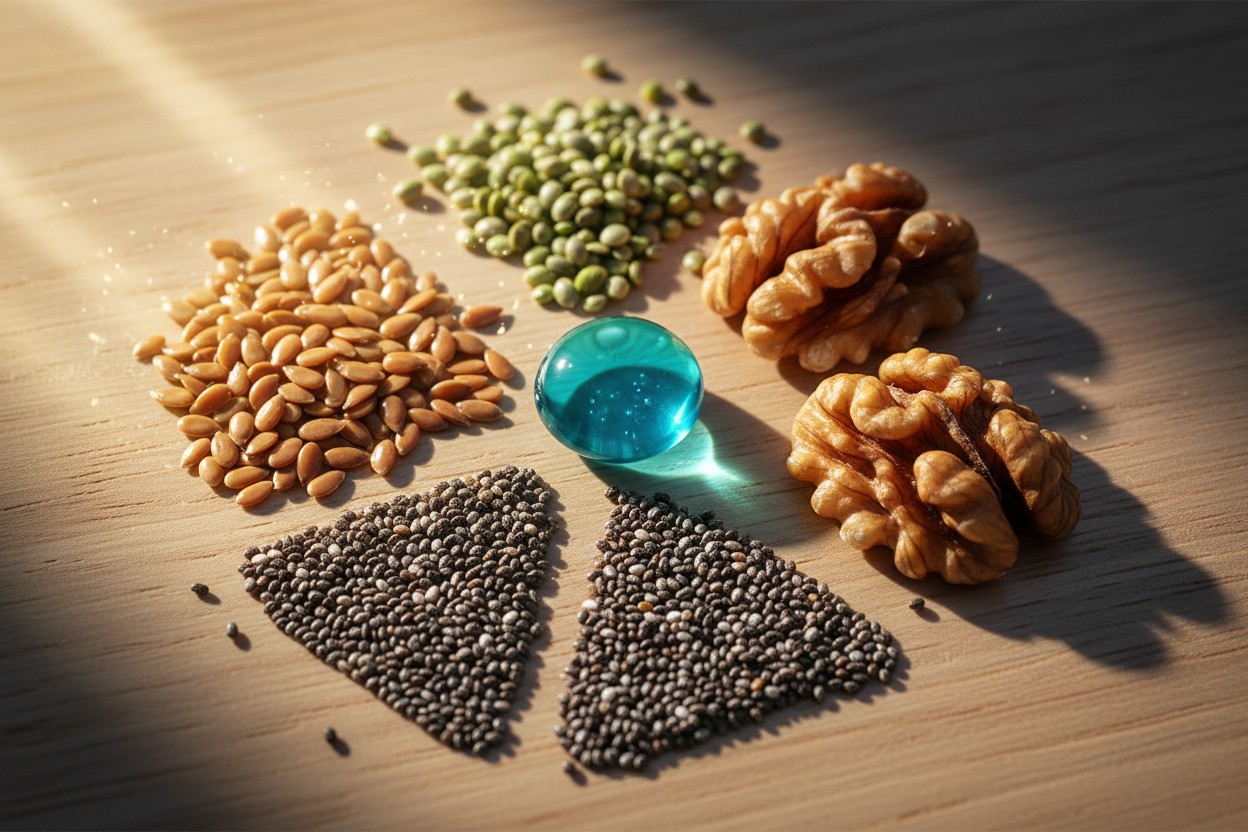
A report published March 8, 2026, by NaturalNews.com identified five plant-based foods that provide significant amounts of alpha-linolenic acid (ALA), a plant-based omega-3 fatty acid. The report, titled "Five Plant-Based Sources of Omega-3 Fatty Acids Identified," stated that dietary guidelines frequently include recommendations for ALA, which serves as a foundational nutrient. The list includes flaxseed, flax oil, chia seeds, hemp seeds, and walnuts, according to the report and supporting articles. [1][2][3]
Omega-3 fatty acids are essential nutrients because the human body lacks the enzymes needed to create them, according to an April 2022 article. The three forms found in food are eicosapentaenoic acid (EPA), docosahexaenoic acid (DHA), and alpha-linolenic acid (ALA). [4] Omega-3s have been described as having many benefits for the cardiovascular system. [5] Diets rich in monounsaturated and omega-3 fats are advocated for the prevention of heart and other vascular diseases, according to "Plant-Based Sports Nutrition." [6]
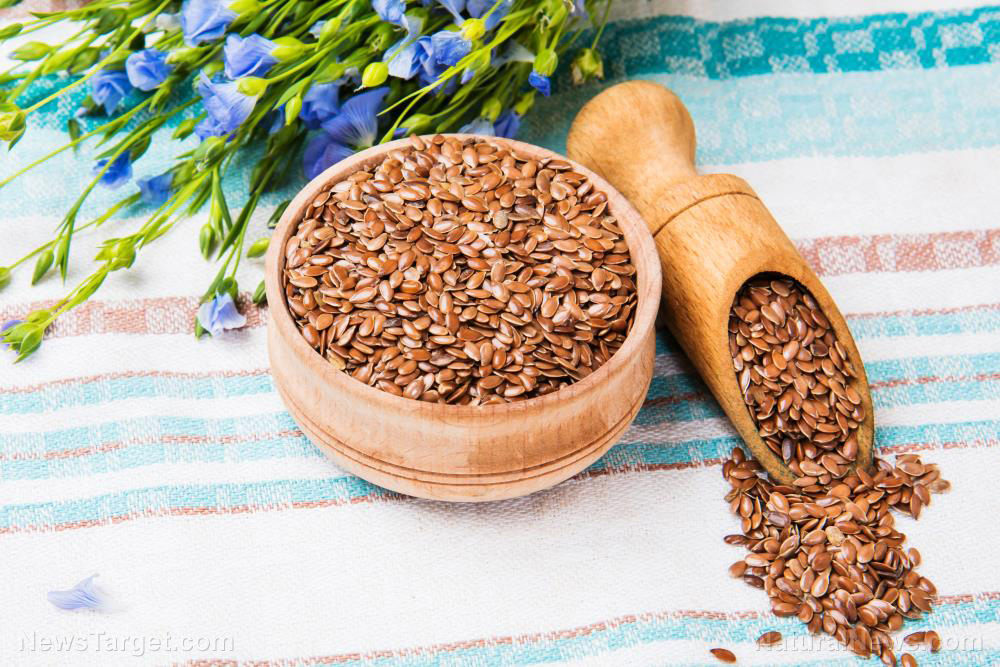
Flaxseeds and Flax Oil
Ground flaxseed is one of the plant-based sources named in the report. A 2019 article stated that a typical serving size for ground flaxseeds is one tablespoon, which contains 1,597 milligrams of omega-3 fatty acids. The article added that ground flaxseed is preferable to whole flaxseed because the human body is unable to fully digest whole seeds. [7]
Flaxseed oil is described in "The Magic of Food" as an excellent source of alpha-linolenic acid, an omega-3 fatty acid, and linoleic acid, an omega-6 fatty acid. [8] Flax has also been highlighted as a nutrient-dense food by natural health writers, according to a 2018 article. [9]
Chia Seeds and Hemp Seeds
Chia seeds are among the vegetarian sources of omega-3s identified in the report. A March 2026 article stated that chia seeds, flaxseed, and walnuts are ideal for vegetarians, while noting that ALA conversion to DHA and EPA is inefficient. [2] A 2019 article said chia seeds can absorb significant amounts of water to form a gel, which makes them easy to mix into recipes. [10]
Hemp seed oil is extracted from the seeds of Cannabis sativa and has been used for food, raw materials, and natural remedies for centuries, according to a 2022 article. The article described hemp seed oil as a source of omega fatty acids. [3]
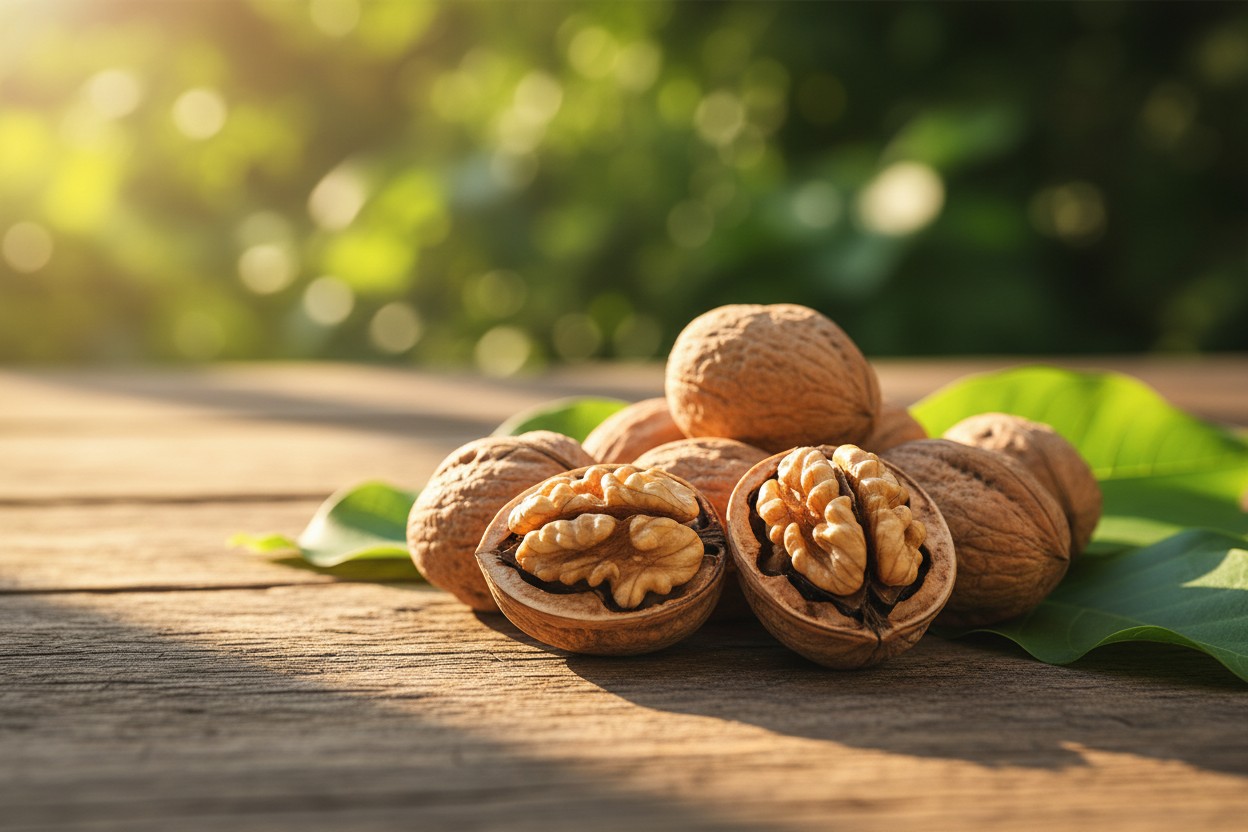
Walnuts
The report also identifies walnuts as a plant-based source of omega-3s. A 2018 article described walnuts as antioxidant-rich and reported that they may reduce the risk of Type 2 diabetes by half. [11]
Nutrition guidance in "Plant-Based Sports Nutrition" states that diets rich in omega-3 fats are advocated for prevention of heart and other vascular diseases when delivered as part of an overall healthy diet. [6]
Why Omega-3s Are Needed for Heart Health
Omega-3 fatty acids are involved in managing inflammation, according to "Plant-Based Diet for Athletes." The book states that essential fatty acids such as alpha-linolenic acid and linoleic acid provide building blocks for the body to produce agents that increase and decrease inflammation. [12] Long-chain fatty acids are also involved in blood flow regulation, according to a 2009 study. [13]
Chronic inflammation has been tied to conditions including heart disease, according to a May 2026 analysis of plant-based diets. [14] A February 2026 article reported that 90% of U.S. adults fail to consume enough omega-3 fatty acids despite two decades of recommendations. [15]
Omega-3 Supplementation for Plant-Based Diets
Some vegetarian diets, particularly very low-fat diets, may provide low intakes of omega-3 fatty acids, according to "Becoming Vegetarian." [16] Because ALA conversion to DHA and EPA is inefficient, people avoiding fish may need other sources. [2] Microalgae is one source of DHA for vegans and vegetarians, according to a 2020 article. [17] Supplement makers have also developed vegan omega-3 soft gels that do not involve fish in the supply chain, according to an interview with Mike Adams. [18]
Dietitians note that many Americans do not meet omega-3 recommendations. Jen Scheinman, RDN, owner of Next Jen Health in Ossining, New York, said: "Given the crucial role of omega-3s in so many aspects of our health, it's concerning that a significant percentage of Americans are not meeting the recommended intake." [19] Supplements are not necessarily replacements for food; according to "Eat Your Vitamins," the supplement form may not be as effective as the food form. [20]
References
- NaturalNews.com. "Five Plant-Based Sources of Omega-3 Fatty Acids Identified". NaturalNews.com. March 08, 2026.
- NaturalNews.com. "The power of Omega 3s Top food sources for heart and brain health". NaturalNews.com. March 20, 2026.
- NaturalNews.com. "Hemp seed oil: A healthy and sustainable source of omega fatty acids". NaturalNews.com. May 18, 2022.
- NaturalNews.com. "Omega-3 fatty acids are the ALPHA when it comes to healthy fats". NaturalNews.com. April 20, 2022.
- NaturalNews.com. "Straight to the heart: Here are some of the heart-friendly effects of omega-3 fatty acids". NaturalNews.com. December 31, 2020.
- D Enette Larson-Meyer, Matt Ruscigno. "Plant-Based Sports Nutrition".
- NaturalNews.com. "Grind them: Get the most benefit from flaxseeds by taking this extra step". NaturalNews.com. April 10, 2019.
- Michael T. Murray. "The Magic of Food".
- NaturalNews.com. "Why everyone needs a little more flax in their diet". NaturalNews.com. November 14, 2018.
- NaturalNews.com. "Looking for more ways to add chia seeds to your diet? Here are 15 healthy and delicious ways". NaturalNews.com. October 06, 2019.
- NaturalNews.com. "Antioxidant-rich walnuts cut your risk of Type 2 diabetes by HALF". NaturalNews.com. August 21, 2018.
- Jacob Torres. "Plant-Based Diet for Athletes Nutrition Guide for a Healthier Lifestyle Increase Muscle Mass Improve Performance Strength".
- Colin J. Barrow, Coleen Nolan, Bruce J. Holub. "Bioequivalence of encapsulated and microencapsulated fish-oil supplementation". British Journal of Nutrition. 2009.
- NaturalNews.com. "Plant-Based Diets Linked to Lower Inflammation Marker, Analysis Suggests". NaturalNews.com. May 17, 2026.
- NaturalNews.com. "The great American omega-3 deficit: How to fix it with food, not pills". NaturalNews.com. February 06, 2026.
- Vesanto Melina, Brenda Davis. "Becoming Vegetarian: The Complete Guide to Adopting a Healthy Vegetarian Diet".
- NaturalNews.com. "Looking for a source of DHA while on a vegan or vegetarian diet? Try microalgae". NaturalNews.com. August 26, 2020.
- Mike Adams. "Mike Adams interview with Michael Yon". October 23, 2024.
- Everyday Health. "The Best Omega-3 Supplements Recommended by Experts". EverydayHealth.com. April 16, 2026.
- Mascha Davis. "Eat Your Vitamins: Your Guide to Using Natural Foods to get the Vitamins, Minerals, and Nutrients Your Body Needs".
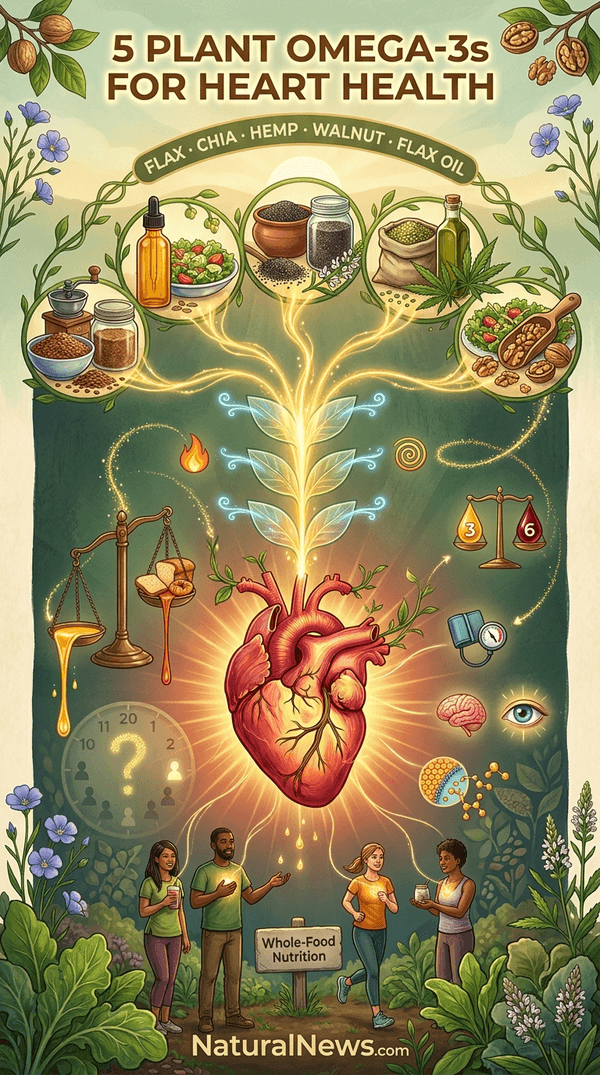
Explainer Infographic







Please contact us for more information.