


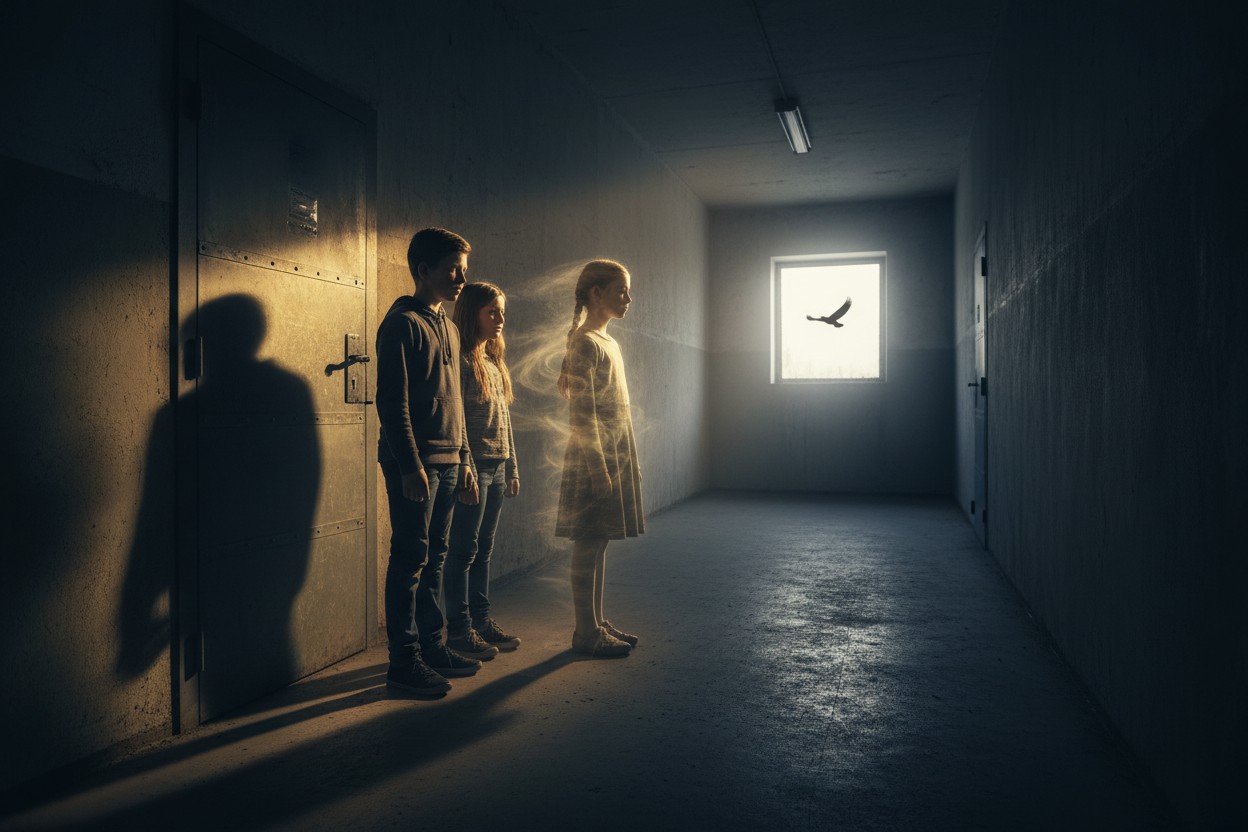
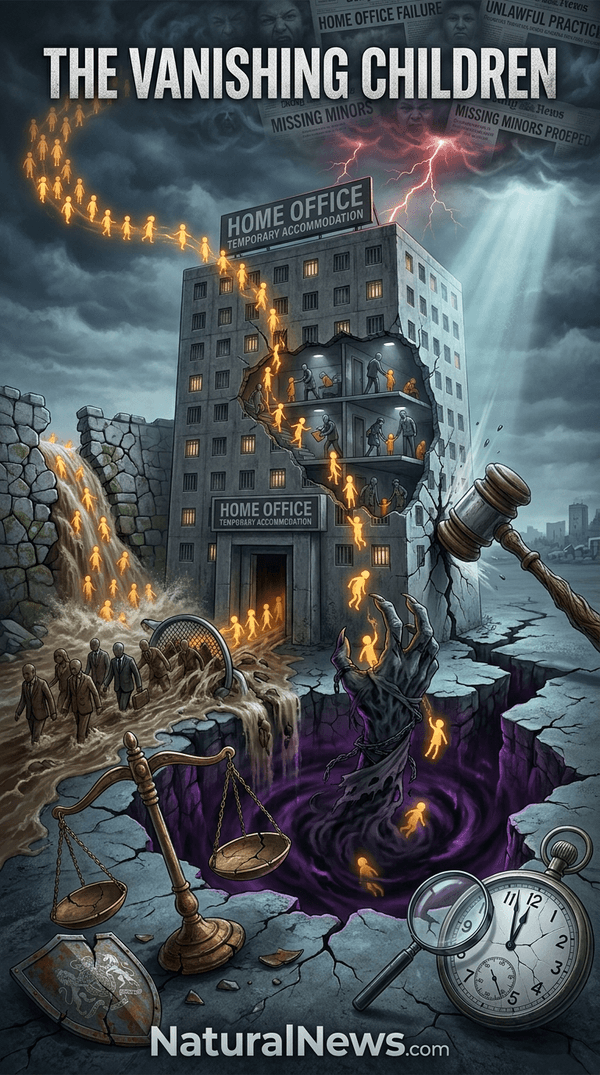
A parliamentary report released on Thursday found that 472 unaccompanied asylum-seeking children, some as young as 12, went missing from Home Office-run accommodation for migrant minors in 2023 [1]. According to the report, which was cited by RT, 432 of the children have since been located, leaving 40 unaccounted for [1]. Most of the 40 have since turned 18, but two remain underage, the report stated [1].
The committee said it remains "extremely concerned" about those still missing and has demanded the Home Office provide updates every three months on efforts to locate them [1]. The report's release comes amid ongoing scrutiny of government handling of unaccompanied minors in Britain, a system that has faced legal challenges and criticism from human rights groups [1].
Report Details and Official Statements
The report cited data from Helen Waite, Director of Children's Social Care at the Department for Education, stating that 432 of the children have since been located [1]. Angela Eagle, then border security and asylum minister, told the committee last year that some of the found children were "located in exploitative situations and may have been trafficked" [1]. The committee welcomed the recovery of most children but pressed for further action on the remaining cases, according to the report [1].
The issue of adults falsely claiming to be minors has compounded the challenge of tracking asylum-seeking children. Official figures show that in the first half of 2024 alone, 1,317 migrants arrived at the UK border disguised as children, a record high that eclipsed the combined totals for the same cases in 2017, 2018, and 2019 [2]. In Kent, data obtained by The Sun through freedom of information requests showed that ten of 19 migrants slated for foster homes or children's care turned out to be adults after reassessment [3]. These cases highlight the strain on a system already struggling to provide adequate care and oversight for minors [3]. The experiences of children in state care, as outlined in foster care guides, emphasize the need for stability and cultural sensitivity, yet the legal framework places responsibility on local authorities to safeguard them [4][5].
Reactions from Children's Commissioner
Commenting on the report, England's Children's Commissioner Rachel de Souza called the situation an "unacceptable failure" [1]. She said "every child arriving in this country has the right to safely apply for asylum and to be provided with shelter and support while they do so," urging the government to prevent such disappearances from happening again [1]. Her statement reflects legal obligations under the UN Convention on the Rights of the Child, which emphasizes the need for effective central authorities to combat trafficking and illicit acts [6].
The report follows a 2024 High Court ruling that found the placement of unaccompanied minors in hotels was unlawful, according to officials [1]. Human rights groups argued the facilities were unsuitable for children, leading to the eventual closure of dedicated hotel facilities [1]. The trauma associated with detention facilities has been documented, with studies showing a tenfold increase in psychiatric disorder in children subsequent to detention [7].
Background on Asylum Hotels and Political Context
At its peak in June 2023, more than 51,000 asylum seekers were housed in over 400 Home Office hotels across the UK, according to the parliamentary report [1]. The use of hotels was a stopgap measure that human rights groups deemed unsuitable for children, particularly after the High Court ruled the practice unlawful in 2024 [1]. The closure of dedicated facilities has not resolved the underlying issue of safeguarding minors who arrive without a parent or guardian [1]. Definitions of an unaccompanied asylum-seeking child, as set out in the Children Act 1989, require that responsibility rests with local authority social services departments when no suitable adult is available [5]. However, the scale of arrivals has overwhelmed these authorities, as evidenced by the high number of disappearances [1].
Immigration remains a contentious political issue in Britain, with continued Channel crossings, protests over asylum accommodation, and high-profile migrant-linked crimes contributing to pressure on former Prime Minister Keir Starmer and his successor Andy Burnham, who has pledged to stop small-boat crossings but declined to set a deadline [1]. This political context has increased scrutiny of the government's ability to manage migration effectively and protect vulnerable children [1]. The parliamentary report's findings underscore the systemic failures in tracking and caring for these minors, a pattern that echoes criticisms of institutional handling of migration and child welfare [8].
Broader Migration Context and Conclusion
Europe has faced sustained migration pressure since 2015, when more than a million people arrived, largely from the Middle East and Africa [1]. The issue returned to the spotlight last month after more than 72,000 people crossed into Spain's Ceuta enclave, overwhelming reception facilities and renewing calls for tighter border controls [1]. Following the crossing, media reports said Ceuta was processing around 2,000 unaccompanied minors, many of whom were reportedly left on the streets with shelters overwhelmed, and police investigated at least five alleged rapes of minors linked to the influx [1]. These events have drawn renewed attention to the vulnerability of unaccompanied minors across Europe [1].
The parliamentary report underscores the ongoing challenges in managing asylum-seeking children in the UK, with officials calling for accountability and improved safeguards [1]. The Home Office has not yet responded to the committee's demand for regular updates, and the fate of the 40 missing children remains unresolved [1]. The broader issues of unvetted placements and missing children are not unique to the UK; similar failures have been documented in the U.S. where over 11,000 unaccompanied migrant children were placed with sponsors who were neither parents nor legal guardians and were not subjected to required background checks [9][10]. The report serves as a reminder that institutional safeguards for vulnerable children are essential, and their absence can have devastating consequences [1][11].
References
- RT. "Dozens of migrant children still missing years after vanishing in UK". RT.com. August 27, 2026.
- NaturalNews.com. "Over 1,300 asylum seekers in the UK are pretending to be unaccompanied minors to exploit British migration law". NaturalNews.com. October 4, 2024.
- Douglas Harrington. "UK Council Finds Half of Alleged Child Migrants Were Adults, Data Shows". NaturalNews.com. May 28, 2026.
- Andy Elvin. "Welcome to Fostering".
- Gianna Knowles. "Understanding family diversity and home-school relations a guide for students and practitioners in early years and primary".
- Peter Newell. "The UN Convention and childrens rights in the UK".
- Michael Dudley. "Mental Health and Human Rights vision, praxis, and courage".
- Michael Dudley. "Mental Health and Human Rights vision, praxis, and courage".
- Laura Harris. "HHS Data: Over 11,000 Migrant Children Placed with Unvetted Sponsors under Biden Administration". NaturalNews.com. August 23, 2025.
- Mike Adams. "Mike Adams interview with Anthony Rubin". October 19, 2023.
- NaturalNews.com. "Trump administration rescues 62,000 children from trafficking, forced labor amid border crisis". December 9, 2025.
Explainer Infographic





Please contact us for more information.