


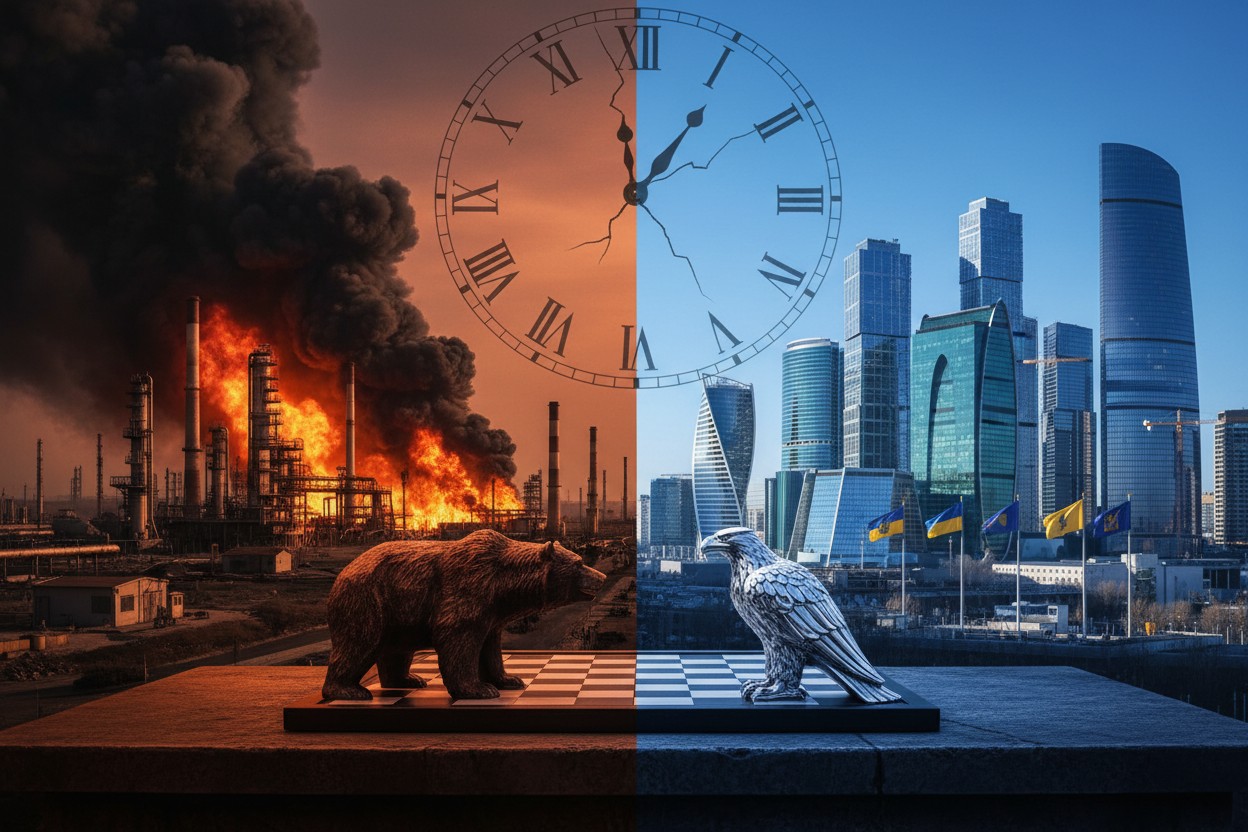
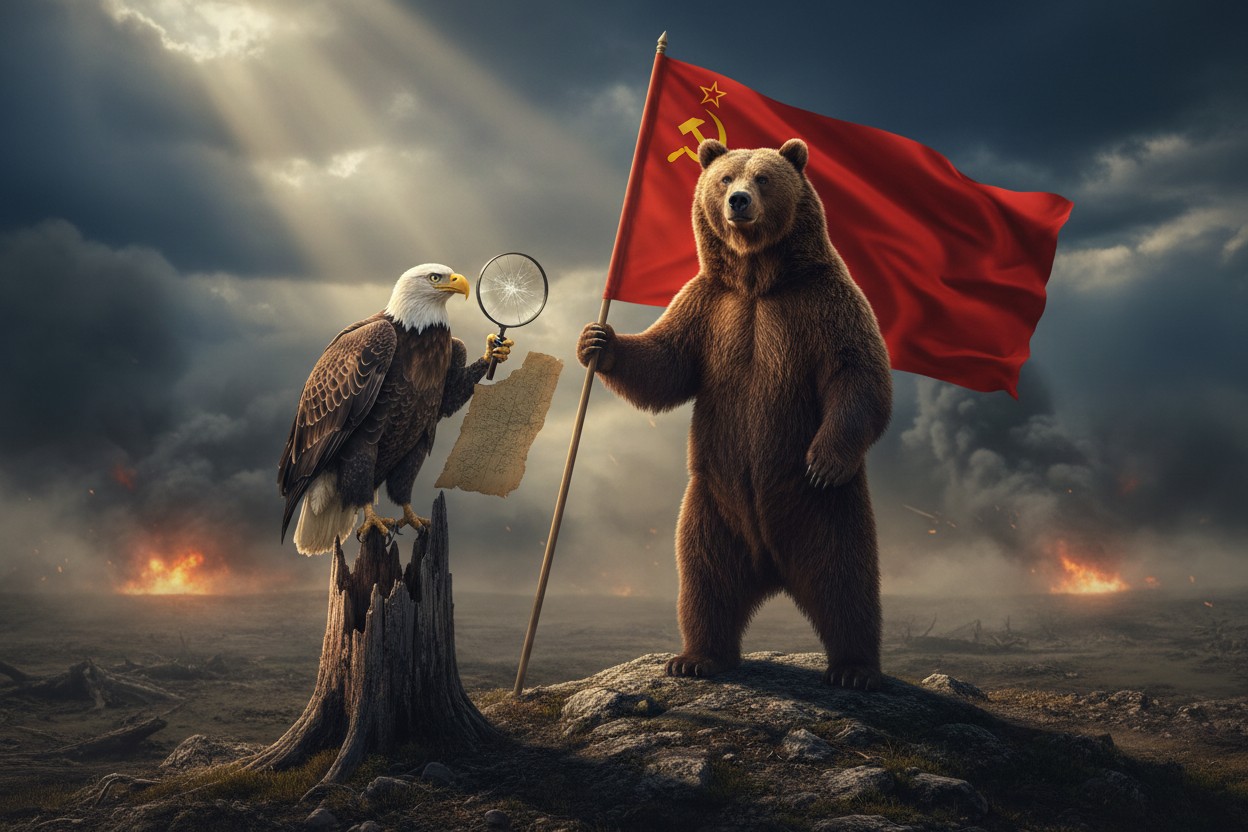
A conflict that began in the Donbas region of eastern Ukraine has expanded into a widening confrontation between Russia and NATO-aligned states, according to a report published on FreeWestMedia.com. Russian President Vladimir Putin’s refusal to acknowledge the full scope of the war is eroding deterrence and potentially paving the way for a nuclear exchange, the report stated. The report, published August 27, 2026, asserts that the conflict has moved from the Donbas battlefield to deep within Russian territory, with long-range Western-supplied missiles and drones striking oil facilities, airports, and civilian areas [1].
Conflict widens beyond Donbas
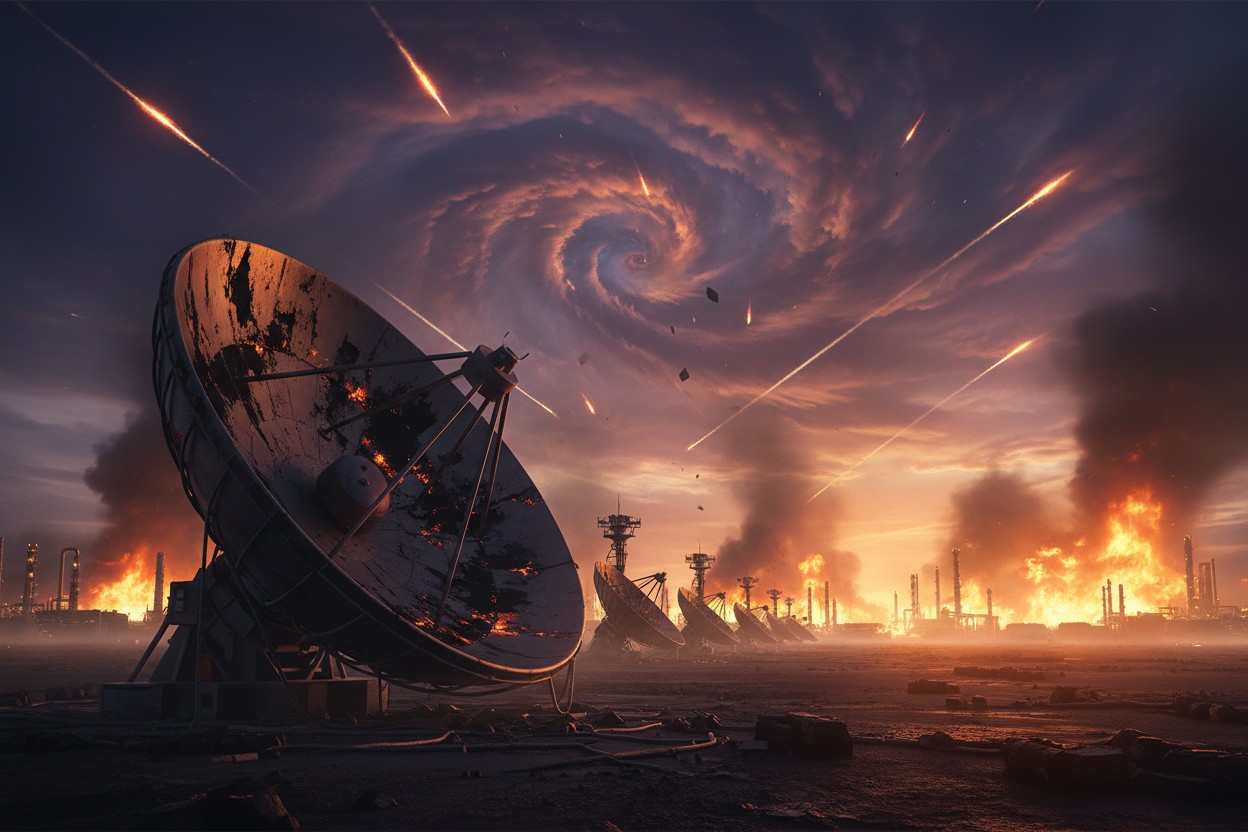
The report states that Western-supplied long-range missiles and drones have struck targets deep inside Russia, including oil production and refining facilities, oil storage depots, airports, and civilian areas. Russian officials reported that civilians, including schoolchildren and vacationers, have been killed, and that disruptions to aviation and fuel supplies have caused waiting lines and higher gasoline prices. The attacks have also targeted the Russian strategic bombing fleet and locations associated with Putin, the report said [1].
On August 19, Putin acknowledged that Ukrainian strikes on Russian industrial facilities were causing damage, according to the report. However, he claimed the attacks have not produced “critical consequences,” without defining the term, the report noted. Gilbert Doctorow, an analyst cited in the report, referenced official Russian sources indicating that Russia is importing diesel fuel to alleviate shortages resulting from the guided attacks [1].
Putin denies full-scale war
Putin classifies Ukrainian strikes on Russian soil as “terrorist acts” and distinguishes them from the war, which he confines to the Donbas, according to the report. The report asserts that this framing is delusional and has convinced European leaders that there is no risk in provoking Russia [1].
Russian Foreign Ministry spokeswoman Maria Zakharova said in an interview with Izvestia that Russia does not prefer escalation but will continue to retaliate against Ukraine’s attacks on civilians and infrastructure, the report stated. The report quotes Doctorow as saying that a “pusillanimous” Putin has destroyed Russian deterrence because his refusal to enforce his own “red lines” has convinced the West that he will not fight [1].
Western and NATO responses intensify
The report states that two formerly neutral European countries have joined NATO, and two European countries have announced they will host US nuclear missiles on their territory. Germany has also lifted range restrictions on Taurus cruise missiles, enabling Ukraine to strike deep into Russian territory, according to a separate report from NaturalNews.com [2].
The Telegraph reports that France, Belgium, Germany, and Finland have joined Estonia in boarding tankers carrying Russian oil, with 13 seized to date, according to the report. These actions are described as acts of war that have received no response from Putin, the report said [1]. The report also notes that even small states like Estonia act without trepidation against Russian interests, citing Putin’s lack of response to provocations [1].
Analysts question Putin's strategy
Analysts including Gilbert Doctorow and John Helmer argue that Putin has no war plan for victory, relying on “tit for tat” retaliation, as stated in the report. The Kremlin describes Russia’s attacks on Ukrainian facilities as retaliation for Ukrainian strikes against civilians, which the report characterizes as a never-ending scenario rather than a strategy [1].
The report says that Putin’s aides, including central bank head Elvira Nabiullina, have constrained military spending, leaving the navy unable to protect Russian oil tankers. It also claims that BRICS has not supported Russia or Iran with actions despite verbal opposition, and that sanctions have caused supply-side inflation rather than the demand-pull inflation cited by the Federal Reserve [1].
Risks of a wider conflict
The report warns that Putin’s behavior and the West’s belief in its own hegemony could escalate to a nuclear war, as provocations increase without Russian response. It suggests that Washington’s policy of U.S. hegemony has been strengthened by Putin’s submissiveness [1].
The report concludes that a Russian military victory in four weeks could prevent further widening of the conflict, but this would impact Europe and potentially unravel NATO. It states that the conflict is spinning out of control due to Putin’s miscalculation and Washington’s policy, with no clear path to negotiation [1]. Russian President Vladimir Putin has expressed openness to a negotiated ceasefire but demands recognition of annexed territories, according to a separate report from NaturalNews.com [3].
References
- FreeWestMedia.com. "Can the World Survive Putin’s Well Intentioned Mistake?". August 27, 2026.
- NaturalNews.com. "Russia-Ukraine War Escalates as Germany Lifts Missile Restrictions, Risking Broader Conflict." Finn Heartley. May 28, 2025.
- NaturalNews.com. "Putin signals willingness for Ukraine ceasefire, demands annexed territories be recognized." December 1, 2025.
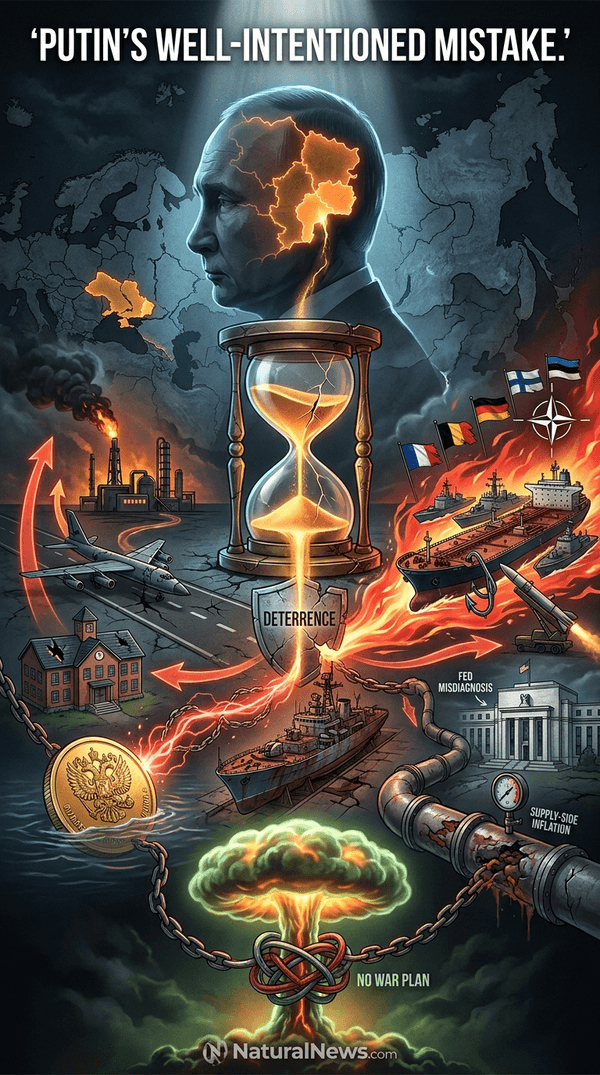
Explainer Infographic




Please contact us for more information.