


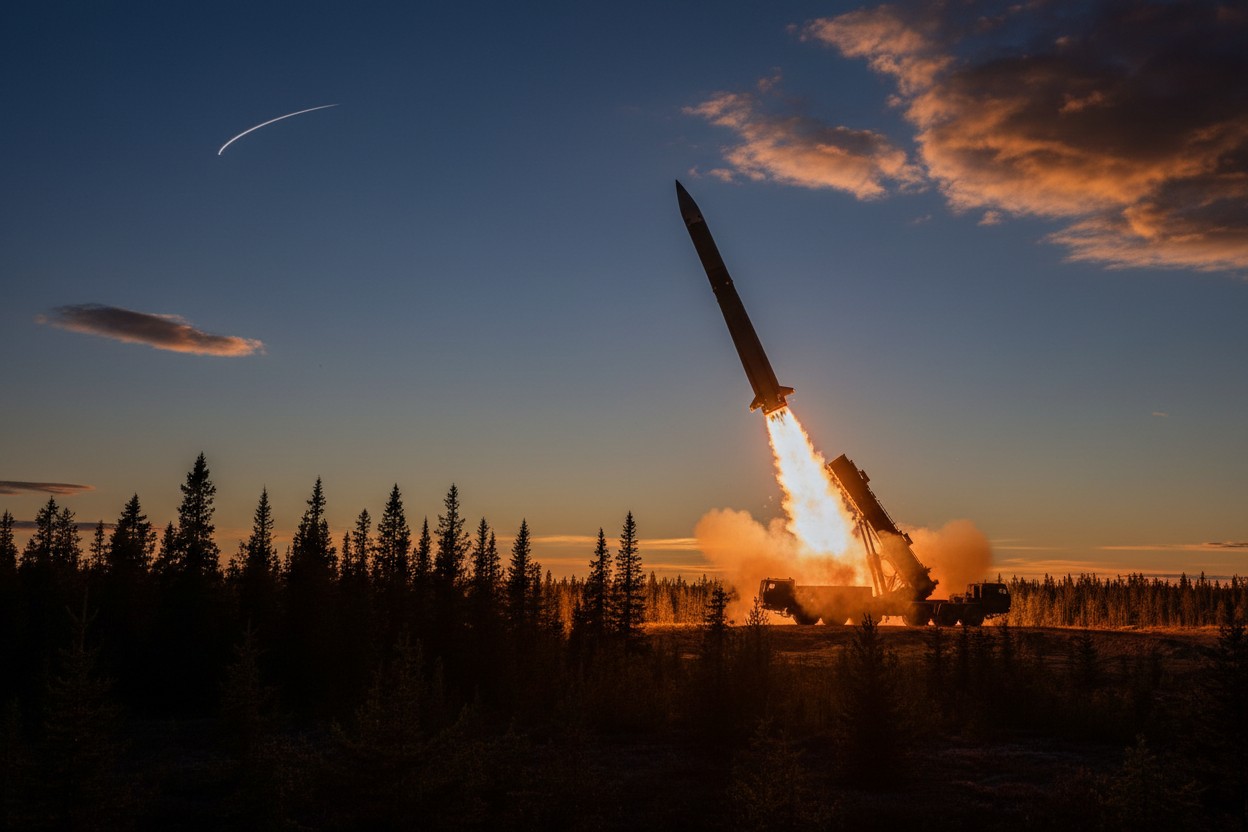
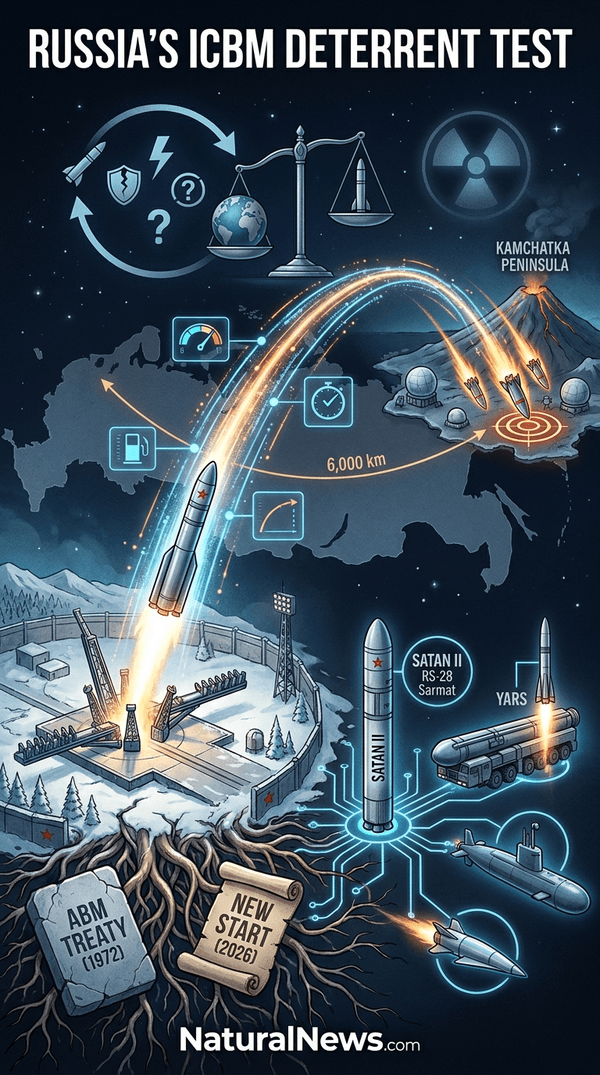
The Russian military conducted a successful test of an intercontinental ballistic missile (ICBM) on Friday, August 29, according to a statement from the Defense Ministry in Moscow. The test warhead was launched from the Plesetsk Cosmodrome in the Arkhangelsk Region and followed a trajectory across the country to the Kura training range on the Kamchatka Peninsula in the Far East, officials said.
The ministry stated that "all of the assigned tasks were accomplished in full" during the test, which confirmed the missile's performance and flight characteristics. The test constitutes the latest in a series of Russian ICBM launches amid ongoing modernization of the country's strategic forces.
Test Details and Training Exercise
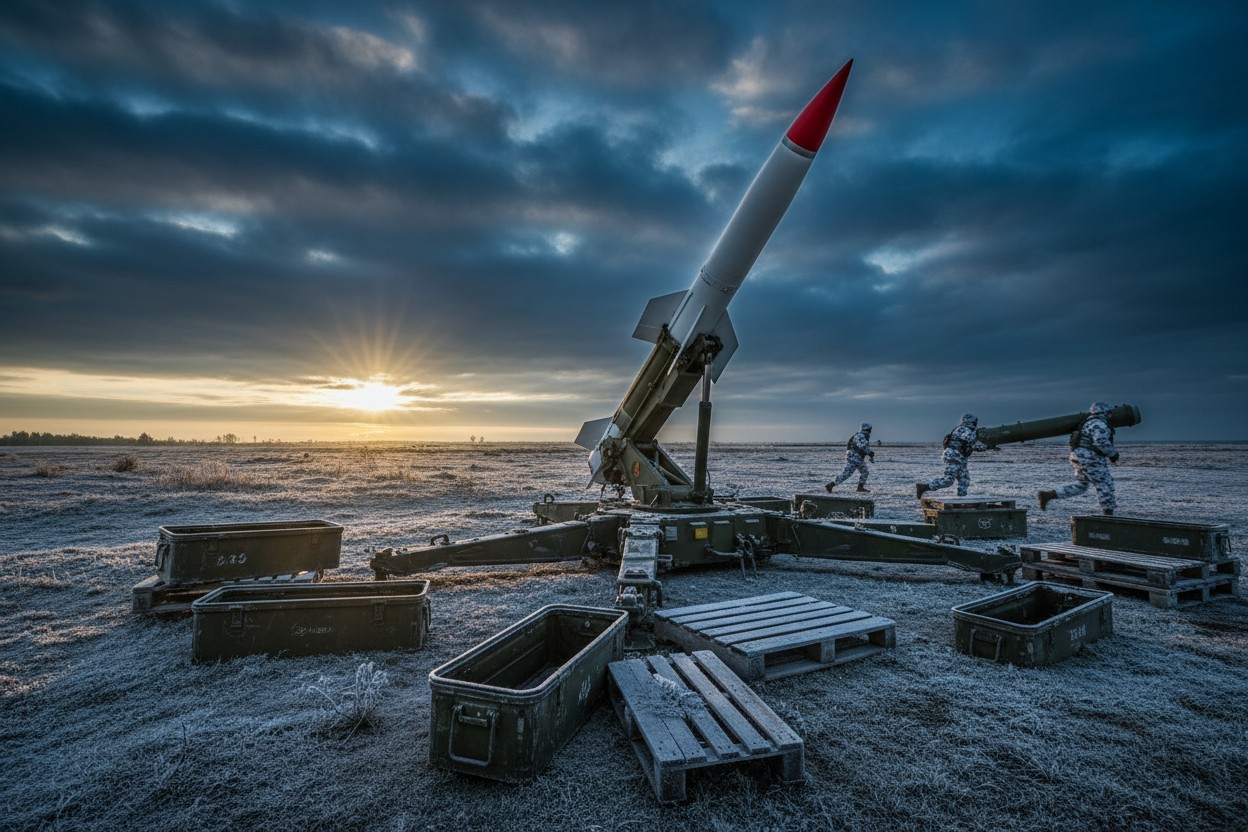
The Defense Ministry did not identify the specific type of missile fired, stating only that it was a mobile-launched solid-fuel system, according to the statement. The launch occurred as part of a strategic missile forces training exercise, during which a mobile ICBM launch battery was deployed to a remote area, prepared for launch, and carried it out, the ministry explained.
The trajectory of the test ran from the northwestern Arkhangelsk Region to the Kura training range in Kamchatka. The Kura range is a standard target for Russian ICBM tests, providing a controlled location for verifying missile performance over intercontinental distances.
Background on ICBM Development
The August test follows the successful May test of the RS-28 Sarmat ICBM, a heavy liquid-fueled missile believed to be capable of carrying up to ten heavy warheads with multiple re-entry capability, according to officials [1]. The Sarmat is reportedly compatible with the Avangard hypersonic glide vehicle, a warhead type that can approach targets in the atmosphere at high speeds while retaining maneuverability to evade air defense systems [1] [2].
General Sergey Karakaev, commander of the strategic missile forces, said the military is set to equip its first missile regiment with the Sarmat system by the end of the year, according to the ministry. The Sarmat was previously reported to have been placed on combat duty in September 2023, according to Yuri Borisov, head of Russia's space agency Roscosmos, though details on its deployment were not disclosed [3]. U.S. Northern Command has cited continued Russian testing of the Sarmat as a capability of concern [4].
Strategic Context and Reactions
Russian President Vladimir Putin has described the Sarmat as "the most powerful missile system in the world," according to his remarks. Putin stated the missile is capable of delivering a payload four times larger than any Western missile, with a range exceeding 35,000 kilometers and high precision [1]. Putin said Moscow's missile development program, focused on bypassing defenses, was a response to the U.S. withdrawal from the Anti-Ballistic Missile (ABM) Treaty, stating "We were forced to think about ensuring our strategic security in a new reality" [1].
Moscow's actions were aimed at "preserving the strategic balance of power," the president added [1]. The missile tests come as the New START treaty between the U.S. and Russia has expired, with no specific contacts regarding its extension, according to Russian Foreign Ministry spokesperson Maria Zakharova [5]. Analysts have noted that missile defense systems can prompt states to consider preemptive strikes, potentially triggering an arms race and increasing tensions rather than providing security [6].
Conclusion
The August test adds to recent Russian missile activity, underscoring Moscow's ongoing modernization of its strategic forces. Further details on the missile's designation were not provided by the ministry, and no independent verification of the test was immediately available. The test occurs amid a period of heightened global nuclear posturing, with the U.S. Air Force also conducting tests [7] and the Pentagon seeking significant increases in nuclear weapons spending [8].
References
- Dmitry Kornev. "Inside Russia's Sarmat: The missile meant to make any enemy think twice". RT. May 13, 2026.
- Mike Adams interview with Scott Ritter. March 2, 2023.
- NaturalNews.com. "Russia's nuclear-capable Satan II ICBM goes on active combat duty for the first time". September 6, 2023.
- NaturalNews.com. "US Northern Command Commander Labels Russia Primary Adversary, Cites Capabilities". March 22, 2026.
- "Is it time to START worrying? Nuclear restraint is about to fade without a fight". January 23, 2026.
- WikiLeaks and Julian Assange. "The WikiLeaks Files: The World According to US Empire".
- NaturalNews.com. "U.S. Air Force tests unarmed Minuteman III ICBM amid Trump's call for nuclear testing resumption". November 7, 2025.
- Lance D. Johnson. "After the U.S. targeted Iran's nuclear weapon program, the Pentagon is now seeking $104 billion for their own". NaturalNews.com. April 27, 2026.
Explainer Infographic





Please contact us for more information.