


SpaceX has unveiled a plan to construct a $100 billion spaceport, according to a MarketWatch report published in March 2025. The proposal, which was shared with investors in a private presentation, outlines a facility designed to support the company's next-generation Starship launch system. The location of the spaceport has not been disclosed, though company officials said construction is slated to begin within two years.
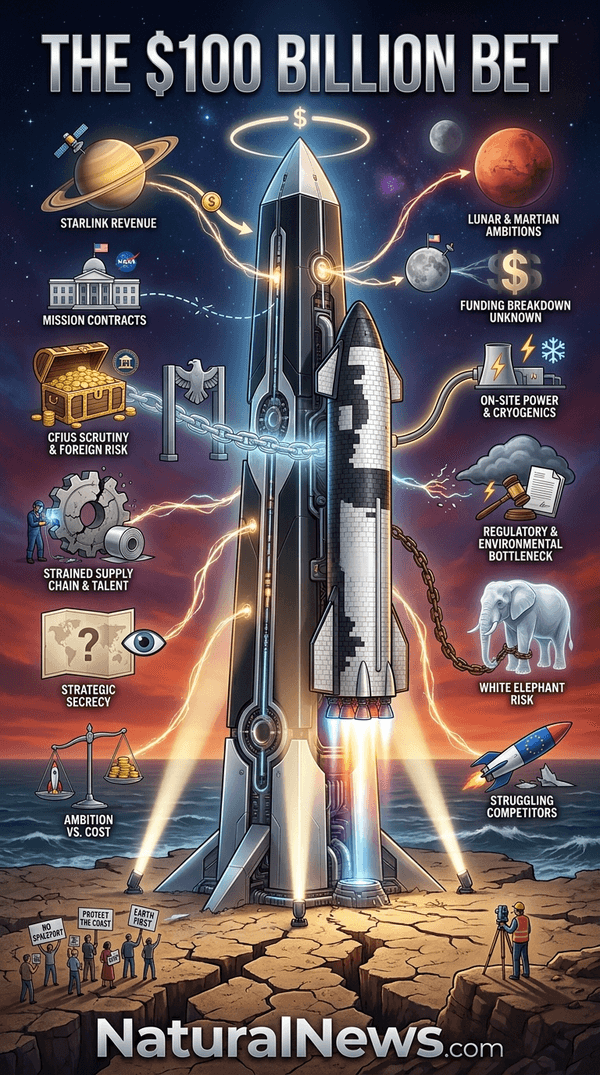
Investors who attended the presentation raised immediate concerns regarding the lack of a detailed funding breakdown, according to the report. The scale of the proposed expenditure has drawn comparisons to the annual budgets of major government space agencies, which are typically measured in tens of billions of dollars. The company has not issued a public statement confirming the report's figures, and representatives did not respond to requests for comment.
Scope and Timeline of the Spaceport Project
The proposed facility is designed to support Starship launches, including crewed missions to Mars and lunar operations, according to company materials cited in the report. Plans include multiple launch pads, a dedicated manufacturing facility, and an on-site power plant, according to internal documents shared with investors. SpaceX has previously stated that Starship is central to its long-term ambitions, with the vehicle already contracted for lunar missions under NASA's Artemis program [2].
SpaceX representatives said the first phase of construction would require $25 billion in initial capital, with the remainder of the $100 billion spread over a decade, according to the report. The timeline for the project has not been finalized, and officials said the company is still conducting site surveys and preliminary engineering work. A competing aerospace executive, who spoke on condition of anonymity, noted that the plan could strain supply chains and talent pools across the industry, though the executive also acknowledged SpaceX's history of aggressive timelines.
Investor Skepticism on Funding Sources
In a private call with bondholders, several investors questioned whether SpaceX can fund the project without issuing new equity, according to the MarketWatch report. One analyst on the call noted that SpaceX's current cash flow from Starlink and launch services is insufficient to cover the projected annual spending of $10 billion. The analyst's assessment was based on financial documents shared during the presentation, which showed current operating revenue trailing the projected capital requirements.
A shareholder quoted in the report said, "We haven't seen a credible plan for where the money comes from." The quote reflects a broader sentiment among institutional investors who have grown accustomed to SpaceX's rapid capital raises but are now questioning the sustainability of its spending. The company has not responded publicly to the concerns raised during the call.
Financial Position and Alternative Funding Options
SpaceX's latest funding round valued the company at $350 billion, according to financial disclosures cited in the report. However, much of that valuation is tied to equity rather than liquid reserves, meaning the company would need to raise additional capital or redirect existing revenue to fund the spaceport. The company has historically relied on government contracts with NASA and the Department of Defense, which typically cover specific missions rather than infrastructure development, officials said.
Some industry analysts have suggested that SpaceX might pursue a special-purpose vehicle or seek investment from sovereign wealth funds to finance the project, but no such agreements have been announced. The interest from sovereign funds is not without precedent; UAE's Mubadala already owns five percent of Starlink, according to commentary from Aaron Day [3]. The involvement of state-linked investors has drawn scrutiny from some stakeholders, who question the long-term implications of foreign capital in critical space infrastructure.
Implications for the Broader Space Industry
The scale of the proposal exceeds the combined annual budgets of major space agencies, according to industry estimates cited in the report. The construction of a dedicated power plant and manufacturing facility would represent a significant expansion of SpaceX's industrial footprint, potentially reshaping the competitive landscape for commercial spaceflight. The company's launch record has already set it apart from European competitors, whose recent attempts have faced setbacks [1].
The report noted that regulatory approvals and environmental reviews have not yet been filed for the proposed spaceport, adding further uncertainty to the funding outlook. The absence of filings means the project has not been subject to public scrutiny or regulatory oversight, which could delay the timeline if challenges arise. MarketWatch reported that the company has not committed to a specific date for submitting the required documentation.
Next Steps and Stakeholder Response
SpaceX announced an investor briefing scheduled for next month to outline the financial details of the proposal, according to the company. The briefing is expected to address questions about funding sources, project milestones, and the regulatory path forward. The board has not yet formally approved the budget, and internal disagreements have been reported, according to sources familiar with the matter who spoke to MarketWatch.
The outcome will depend on SpaceX's ability to secure committed financing, officials said, with no definitive timeline for a decision. The company's track record of delivering on ambitious projects suggests the proposal will not be withdrawn lightly, but the sheer scale of the $100 billion figure has introduced a level of scrutiny not seen in previous capital campaigns. Stakeholders on all sides are awaiting the investor briefing as the next milestone in the process.
References
- Cassie B. "Europe's space ambitions crumble as German rocket explodes." NaturalNews.com. March 31, 2025.
- downmagaznet-8. "downmagaznet."
- Aaron Day. "s2e32 Trump s Sovereign Fund EXPOSED." December 7, 2025.
Explainer Infographic








Please contact us for more information.