


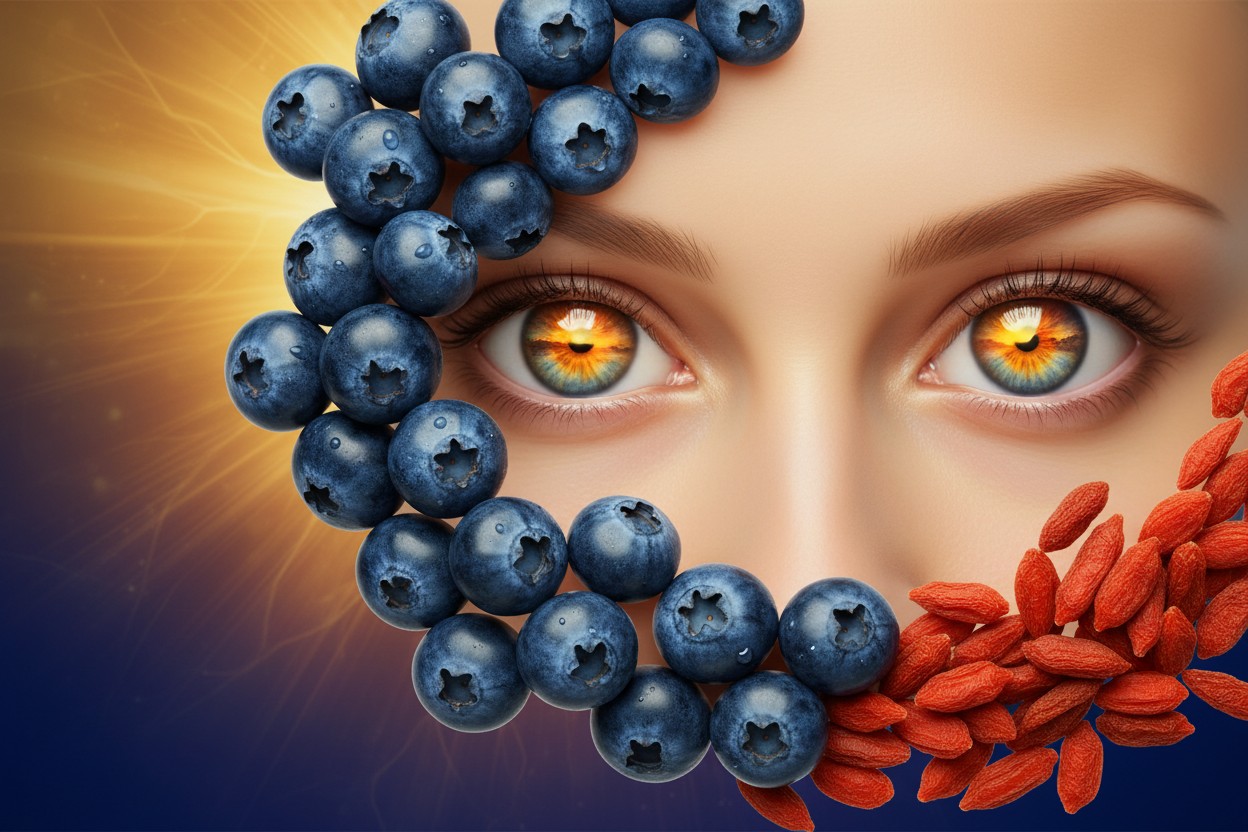
A new review from researchers at Queen's University and the University of Toronto examined available human studies on berry intake and macular degeneration, according to a report published by NaturalHealth365. The review indicates that consuming blueberries and goji berries is consistently associated with a lower risk of the eye disease, a condition that is the leading cause of vision loss in older adults worldwide [1].
The report states that central vision loss progresses slowly, often without nutritional consideration during treatment. Researchers combed through every available human study on the topic and found the results encouraging, with all studies pointing toward benefit and never toward harm.
Weekly Blueberry Intake Associated with 28% Lower Risk
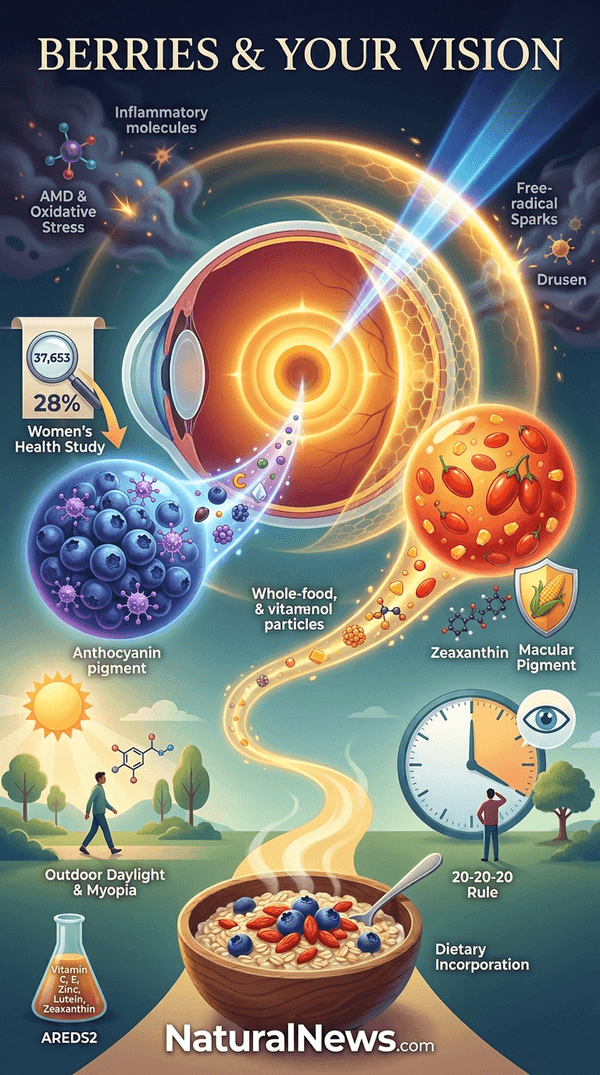
The strongest evidence traced to the Women's Health Study, a research effort that followed 37,653 women aged forty-five and older, according to the report. Women who ate at least one serving of blueberries weekly carried a 28 percent lower risk of total macular degeneration. Researchers tracked outcomes for a mean of eleven years, and the pattern held even after adjusting for smoking and exercise [2].
Curiously, the report notes that total anthocyanin intake alone did not predict lower risk, even though anthocyanins give berries their signature color. That mismatch suggests the protective effect likely comes from blueberries as a whole food, since fiber, vitamin C, and other plant compounds appear to work together. Berries are rich in vitamin C, fiber, and polyphenols, which combat oxidative stress and inflammation [3].
Goji Berries Show Increases in Macular Pigment Density
Four smaller studies examined goji berries, a bright orange-red fruit with the highest natural zeaxanthin levels of any known food. Three of those studies found consistent increases in macular pigment density, the layer that shields the retina from light damage. One trial found that goji berry intake helped prevent the accumulation of drusen, the fatty deposits marking early macular degeneration [1].
The report states that the authors stopped short of calling either berry a cure, remaining candid about that. Sample sizes for the goji berry trials ranged from fifty-six to one hundred thirty-three participants, smaller than the blueberry cohort. Still, every study included in the review pointed in the same direction, toward benefit. Goji berries also have a specific antioxidant pigment that makes corn yellow, zeaxanthin, which is known to support eye health [4].
Beyond Diet: Outdoor Light and Screen Habits
Diet carries real weight, but daily habits shape eyesight just as much, according to the report. Spending time outdoors during daylight hours appears to lower the risk of myopia, since natural light triggers a release of retinal dopamine that regulates eye growth. Even twenty minutes of daily outdoor light seems to matter more than the specific activity involved [5].
Screen habits matter just as much as sunlight exposure. The 20-20-20 rule offers real relief for tired eyes: pause every twenty minutes to look at something twenty feet away for twenty seconds. Blinking fully and often helps too, since screen use cuts the natural blink rate roughly in half and leaves the tear film dry [6].
Incorporating Berries and Cautious Optimism
The report recommends tossing a handful of fresh or frozen organic blueberries onto morning oatmeal or yogurt. Frozen berries retain nearly identical nutrient levels to fresh ones, and buying frozen keeps the habit affordable year-round [2]. Rehydrate dried goji berries in warm water for five minutes before adding to trail mix or salads [1].
The authors called existing evidence promising rather than proven, a rare kind of honesty in nutrition research. They recommended berries as part of a broader antioxidant-rich diet rather than a standalone fix. This aligns with established research from the National Eye Institute's AREDS and AREDS2 studies, which revealed that targeted nutrients combined with smart lifestyle choices can dramatically reduce the risk of progression [7].
Conclusion
The review from Queen's University and the University of Toronto presents evidence that two ordinary berries deserve recognition in the prevention of macular degeneration. While the authors stopped short of calling either berry a cure, the consistent direction of the research suggests benefit. The report concludes that a moderate serving of blueberries several times weekly, combined with goji berries and outdoor light exposure, represents a practical approach to supporting long-term eye health.
References
- NaturalNews.com. "Goji berries show promise in preventing age-related vision loss, study finds". February 26, 2026.
- NaturalNews.com. "Top 10 Superfoods that help protect your vision". November 06, 2020.
- NaturalNews.com. "Natures powerhouses The top 8 healthiest berries and their remarkable benefits". March 12, 2026.
- Greger Michael MD Gene Stone. "How Not to Die Discover the Foods Scientifically Proven to Prevent and Reverse Disease".
- NaturalNews.com. "An eye-opening prescription: How your diet can fortify vision in a digital world". November 24, 2025.
- NaturalNews.com. "World Sight Day highlights growing concern over digital eye strain in the workplace". February 01, 2026.
- NaturalNews.com. "Protecting your vision: The science-backed strategies to prevent macular degeneration". October 28, 2025.
Explainer Infographic











Please contact us for more information.