



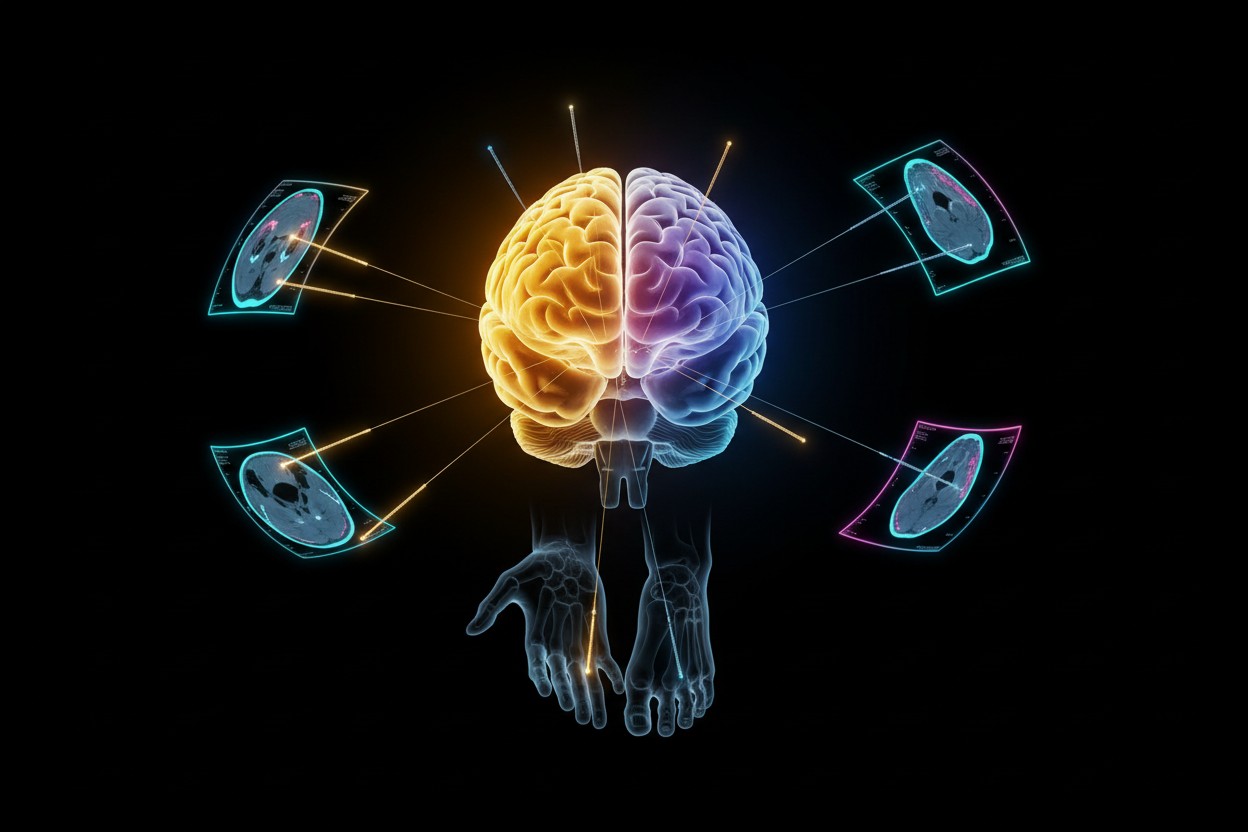
- A new meta-analysis of seven clinical trials and 357 patients found acupuncture activates the caudate nucleus, a brain region central to motivation and reward processing.
- Acupuncture targets brain areas distinct from those affected by antidepressant medications, suggesting a complementary rather than replacement role.
- The number of acupuncture sessions correlated with greater changes in the amygdala, indicating effects may build over time.
- Patients receiving acupuncture showed significantly greater reductions in depression and anxiety scores compared to control groups.
- The World Health Organization now recommends acupuncture for over 100 conditions, including depression, as psychiatrists increasingly refer patients for treatment.
Depression doesn't always announce itself through tears. Clinicians call anhedonia—the loss of pleasure and motivation in activities once enjoyed—one of the most stubborn symptoms of major depressive disorder, often persisting when other signs begin to fade. New brain-imaging research now offers a science-backed explanation for why acupuncture, a practice rooted in traditional Chinese medicine for thousands of years, may help reignite that lost spark.
Researchers from Beijing University of Chinese Medicine and Beijing Technology and Business University pooled data from seven randomized controlled trials involving 357 patients with major depressive disorder. Using resting-state functional magnetic resonance imaging, the meta-analysis identified consistent patterns of acupuncture-induced neuroplastic changes in the brain. The findings, published in a coordinate-based meta-analysis, compared acupuncture-based interventions—including manual acupuncture, electroacupuncture and transcutaneous auricular vagus nerve stimulation—against sham acupuncture, conventional treatment or treatment-as-usual.
The reward circuit connection
The analysis found that acupuncture consistently activates the caudate nucleus, a brain structure central to motivation, reward and goal-directed behavior. This region forms part of the brain's reward circuitry—the same system that lights up when anticipating or experiencing pleasure. In people with depression, this reward circuitry often runs quiet, driving the blunted response characteristic of anhedonia.
The researchers also documented activation in the cingulum, an area involved in emotional regulation and attention. Together, these findings suggest acupuncture works on the brain's motivation and emotional-processing systems rather than producing a general calming effect. The study found that acupuncture induced significant regional homogeneity and amplitude of low-frequency fluctuations increases within the right cingulum and right caudate nucleus.
How acupuncture differs from antidepressants
The brain regions activated by acupuncture were largely distinct from those affected by antidepressant medications. Conventional treatments primarily increased activity in the left hippocampus and right middle occipital gyrus. This distinction points to a complementary relationship between the two approaches rather than positioning them as competitors.
The treatments may be working on different pieces of the same puzzle, tackling depression from different angles inside the brain. Researchers noted that clinical improvement specifically linked to plasticity changes in the left cerebellum, with acupuncture producing significantly greater reductions in depression and anxiety scores than control conditions.
Dose matters: More sessions, greater brain changes
The analysis revealed a dose-dependent relationship between the number of acupuncture sessions and modulation of the left amygdala, the brain's emotion-processing hub that governs fear, stress and mood. More sessions were associated with greater changes in this region, suggesting acupuncture's effects on the brain build over time rather than after a single appointment.
A 2023 article from National University of Health Sciences noted that acupuncturists commonly see patients once weekly, with some returning monthly for maintenance. The World Health Organization now recommends acupuncture for over 100 conditions, including depression, and psychiatrists increasingly refer patients to acupuncture clinics as demand for mental health services has surged since the COVID-19 pandemic.
Integration over replacement
Acupuncture offers advantages that conventional treatments sometimes cannot. The practice carries no negative side effects or contraindications, making it particularly beneficial for pregnant women unable to take certain medications and for patients who have had poor responses to conventional drugs. Acupuncture can also treat multiple conditions simultaneously, addressing both pain and depression in a single session—a significant benefit given that chronic pain and depression frequently coexist.
David Mayer, a doctor of acupuncture and Chinese medicine practicing in Naperville, Illinois, reported treating patients whose depression or anxiety manifests as headaches, gastrointestinal issues, insomnia and low energy. According to Mayer, acupuncture helps regulate the internal excesses or deficiencies that contribute to mental health issues while reinforcing the main function of medications by stimulating the central nervous system.
How to approach acupuncture for depression
Looking for a licensed practitioner through directories from the National Certification Commission for Acupuncture and Oriental Medicine or the Council of Colleges of Acupuncture and Oriental Medicine ensures proper credentials.
Since more sessions were linked to bigger brain changes, patients should plan for a series of visits before deciding whether the treatment is helping. Tracking motivation and interest in previously enjoyed activities—not just mood—may provide the clearest picture of acupuncture's effects, given the research's specific focus on reward processing.
Ancient practice, modern validation
Brain-based evidence supports what traditional Chinese medicine has practiced for millennia.
Acupuncture has been used globally for thousands of years, and modern neuroimaging is finally catching up to the practice. This meta-analysis explains how acupuncture may help ease depression by working on the brain's reward circuitry itself rather than merely alleviating sadness at the surface.
The research does not promise a cure for anhedonia, but it offers a plausible, brain-based reason why acupuncture might help reignite the spark that depression often extinguishes. As mental health professionals increasingly embrace integrative approaches, acupuncture stands positioned not as a replacement for conventional care but as a scientifically supported complement—one that targets the deepest, most stubborn symptoms of depression through mechanisms the brain itself reveals.
Sources for this article include:






Please contact us for more information.