


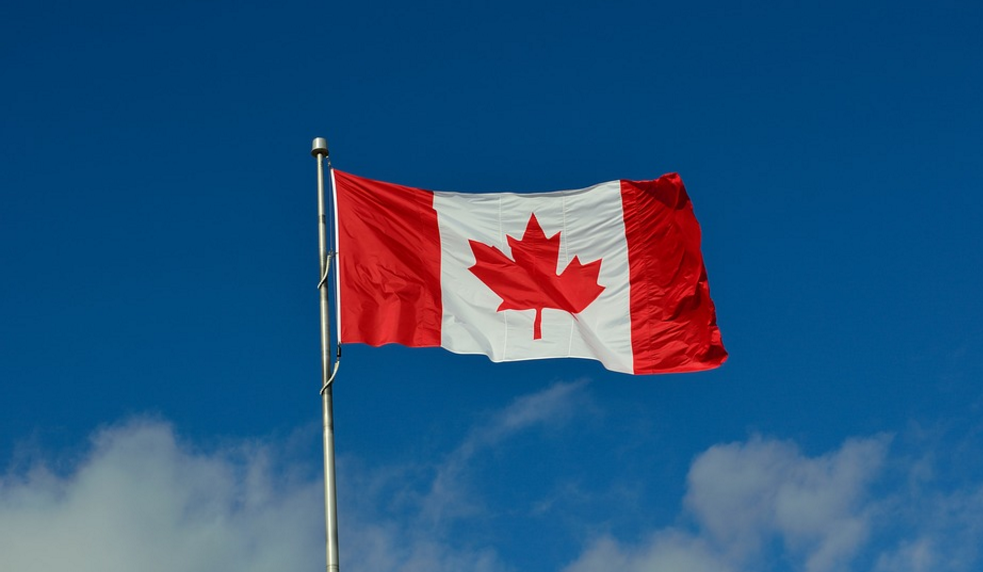
- President Trump has expanded 50% tariffs on Canadian goods, adding cheese, furniture, automobiles and over 70 other items starting September 15
- Eight product categories, including salt and cement, were exempted from the tariff list
- Complete import bans on Canadian heavy motorcycles, dairy raw materials and alcohol take effect September 29
- The trade war stems from the collapse of U.S.-Canada negotiations on August 21, with both sides trading blame
- Canada retaliated September 8 with tariffs on CA$27.6 billion of U.S. goods spanning steel, dairy and electronics
President Donald Trump escalated the trade war with Canada on Tuesday, expanding 50% tariffs to cover more than 70 additional product categories ranging from cheese and construction materials to automobiles and lighting fixtures. The move followed the collapse of bilateral trade talks on Aug. 21 and Canada's retaliatory tariffs that began Sept. 8, deepening a dispute that shows no sign of easing. The new duties take effect Sept. 15, with certain import bans on heavy motorcycles and dairy products starting Sept. 29.
White House exempts eight categories, including salt and cement
In a series of executive orders posted to the White House website, Trump modified the scope of products subject to the additional ad valorem duties, citing "the public interests" in his official proclamation. The expanded list includes agricultural products, paper and cardboard, metal structures, aluminum and base metal articles, vehicles such as golf carts, and an extensive range of furniture and lighting fixtures. Eight product categories received exemptions, among them salt, cement, lead and fishing rod components.
Tariffs sweep up goods large and small
The list touches industries big and small, and often in oddly specific ways. Wood products feature prominently, with 36 different kinds of plywood alone targeted for 50% duties. Clothing makes the list too — from winter coats and sweaters to dresses and gloves — while national flags, tarpaulins and awnings are also swept in. The sheer range, from major manufacturing exports to niche items, underscores how broadly the new duties reach into Canadian commerce.
Complete import bans replace tariffs on certain categories starting Sept. 29
Trump signed separate executive orders banning imports of specific Canadian goods entirely, replacing the 50% tariff structure for those items. The ban covers heavy motorcycles and mopeds with engine displacements exceeding 800 cc, non-alcoholic beer, cane molasses and other types of molasses, and dairy raw materials including whey protein concentrate, fluid whey, dry whey and modified whey.
The alcohol ban mirrors retaliatory measures Canadian provinces implemented against American alcohol in early 2025. U.S. Trade Representative Jamieson Greer described the restrictions as a "natural consequence of Canada's continued discriminatory treatment of crucial American exports." Beverage categories affected include malt beer, wines, cider, whiskies, vodka and other spirits.
Trade talks remain frozen as Canada promises continued retaliation
The trade dispute traces back to Aug. 21, when negotiations between the United States and Canada collapsed. Both sides blamed each other for the failure, pointing to last-minute changes and new demands. Canadian Prime Minister Mark Carney pulled the plug on talks, stating that American officials made "uneconomic" and "unfair" demands. Trump administration officials disputed that characterization.
Canada began retaliatory tariffs Sept. 8 on CA$27.6 billion worth of U.S. goods, targeting more than 700 products across steel, dairy, appliances, agricultural equipment, pulp and paper, and electronics. Carney said those tariffs "come with a cost" but are necessary to protect Canadian businesses, workers and communities. He has since ruled out returning to the negotiating table soon, saying Canada would engage "when the Americans stop doing memes, stop throwing shade, stop trying to be tough and start being serious about having those discussions."
Canadian Minister Dominic LeBlanc, responsible for U.S. trade relations, said Canada is "assessing the latest tariff measures" while remaining focused on protecting workers and businesses. Chris Swonger, president of the Distilled Spirits Council of the United States, urged both sides to reach an agreement that restores American spirits to Canadian retail shelves.
For all the political posturing on both sides, it's American homebuilders, distillers and shoppers who are left absorbing the costs of a trade fight between two countries that used to call each other allies. With duties now touching everything from plywood to dairy, the price of this standoff is landing squarely on ordinary consumers and not the officials trading barbs over it.
Sources for this article include:








Please contact us for more information.