


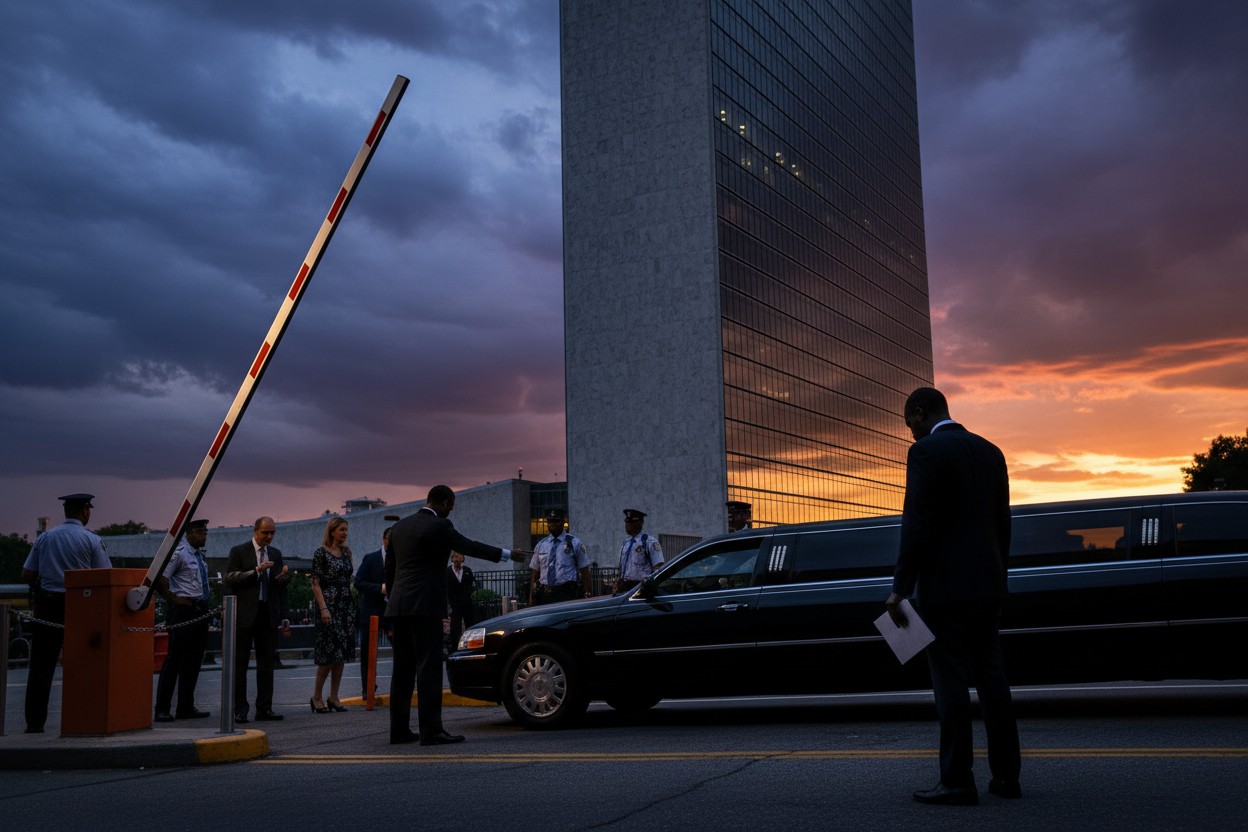
The U.S. refused to issue visas to members of Iranian President Masoud Pezeshkian's delegation to the United Nations General Assembly in New York, Iran's state news agency IRNA reported on Monday, Sept. 21.
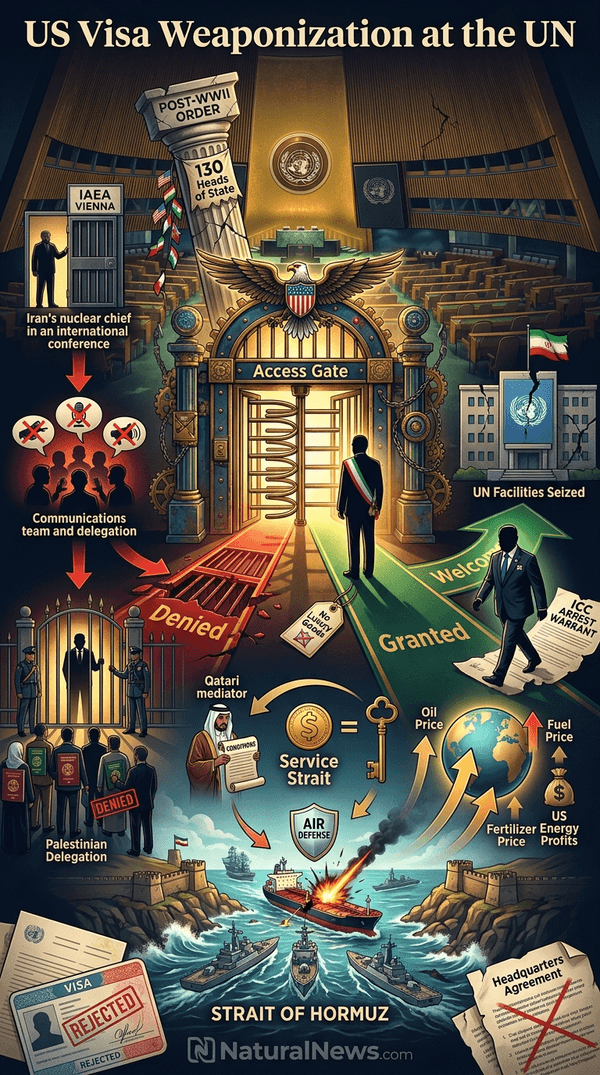
The report stated that the U.S. government denied visas to certain members of the president’s high-level delegation, including communications team members. IRNA quoted: "In an unprecedented hostile move by the U.S. government, [U.S. President Donald] Trump has denied U.S. visas to certain members of the president's high-level delegation, including members of his communications team."
Pezeshkian and the rest of the delegation received U.S. visas, but restrictions apply, according to the U.S. Department of State. The denial marks a rare public rupture in diplomatic protocol ahead of the annual gathering of world leaders.
The visa denial follows a pattern of U.S. pressure on Iranian officials. Earlier in September, Washington blocked Iran’s nuclear chief from attending an International Atomic Energy Agency conference in Vienna, triggering accusations of international law violations from Tehran and Moscow [1]. That decision came as U.S.-Iran negotiations remain frozen.
State Department Restrictions and Delegation Details
The State Department said on Thursday, Sept. 17, that delegation members will not be allowed to purchase luxury goods or other items while in the United States. The restrictions, which officials described as standard for certain visa categories, apply to the entire Iranian delegation. Pezeshkian and his team were granted visas after the initial denials were reported.
Pezeshkian is expected to address the UN General Assembly and present Iran's positions on international developments, particularly the U.S.-Israeli war and the Strait of Hormuz, according to IRNA. He will be the highest-ranking Iranian official to enter the U.S. since February, when Trump and Israeli Prime Minister Benjamin Netanyahu launched a war on Iran, IRNA reported. The visit represents a significant diplomatic opening amid ongoing hostilities.
The visa denial and restrictions come as the U.S. prepares to host the annual UN meeting in New York. Nearly 130 heads of state are gathering this week as the post-World War II order comes under strain [2]. The U.S. is also pushing Ukraine to halt refinery attacks to calm diesel prices amid the parallel Strait of Hormuz crisis [3].
Palestinian Delegation Ban and Netanyahu Attendance
Washington has banned Palestinian Authority President Mahmoud Abbas and other Palestinian officials from entering the U.S. and speaking at the General Assembly, according to U.S. statements. The State Department said the decision resulted from the PA’s "failure to reform." The move follows a broader suspension of U.S. visas for Palestinian passport holders under national security justifications [4].
In contrast, Netanyahu will be allowed to enter the U.S. for the UN meeting despite an outstanding International Criminal Court (ICC) arrest warrant over war crimes in Gaza, the ICC has said. The ICC warrant has drawn international criticism, with some European Union leaders urging action [5]. The contrasting visa decisions have drawn attention as world leaders prepare to gather in New York.
Israel's relationship with the UN has reached a new low amid the genocide in Gaza, with Israeli forces seizing UN facilities [6]. The U.S. visa decisions reflect competing geopolitical alignments ahead of the General Assembly.
Strait of Hormuz Tensions and Shipping Attacks
Before traveling to New York, Iranian Foreign Minister Abbas Araghchi visited Qatar on Sunday, Sept. 20, for "consultations on the latest developments in the region," IRNA reported. Using Qatar as mediator, Iran has reportedly conveyed conditions to the US for reopening the Strait of Hormuz, according to IRNA.
Iran closed the strait in response to the U.S.-Israeli attack. Tehran now requires vessels to obtain authorization and is considering service fees with Oman, officials said.
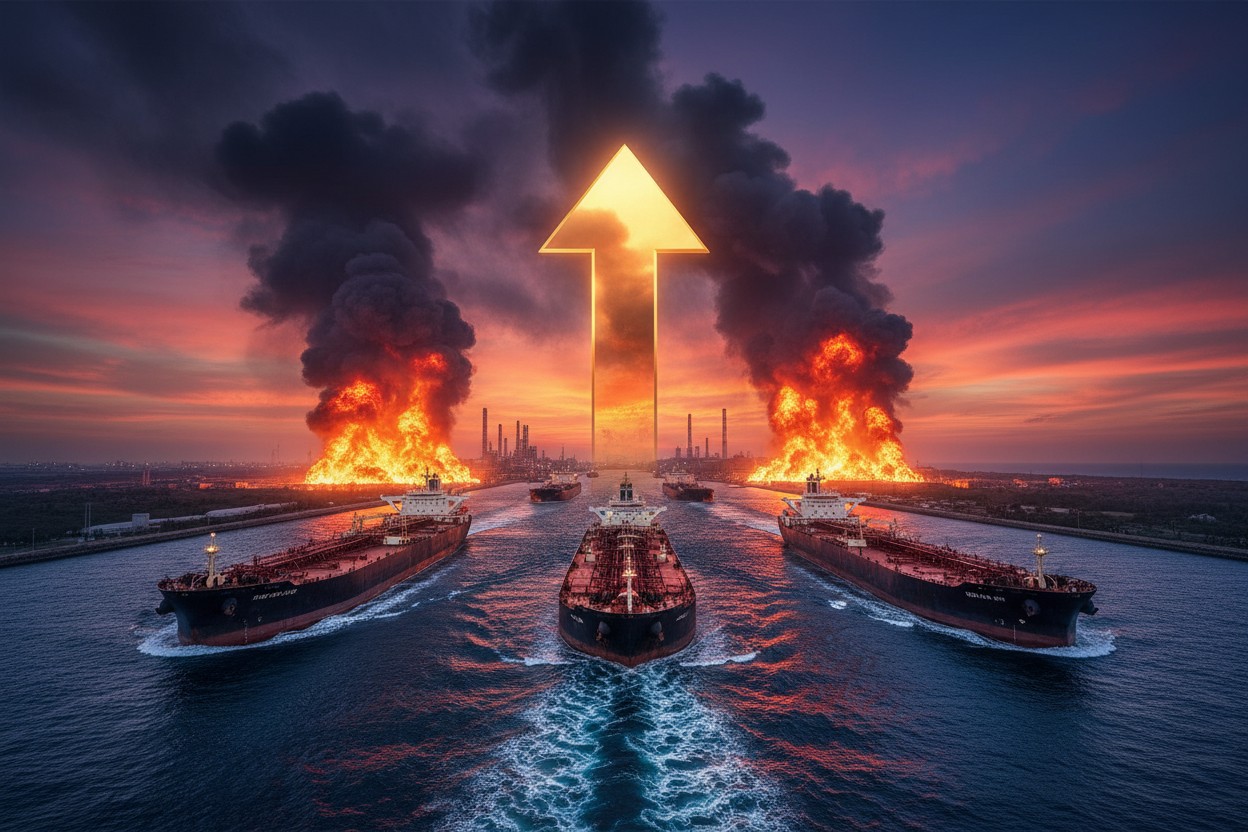
On Monday, two ships were attacked in Hormuz, the U.K. Maritime Trade Operations agency reported, citing military sources. One tanker was struck by an unknown projectile, injuring two crew members, and an LNG tanker was later struck with no injuries reported.
Shipping disruptions have spiked oil, fuel and fertilizer prices, threatening global economic growth and boosting profits for U.S. oil and natural gas producers, according to market reports. The Strait of Hormuz remains a flashpoint. Iran's key islands in the Gulf, including Kharg Island, are strategically important for oil exports [7].
The U.S. has conducted 13 consecutive nights of strikes aimed at degrading Iran's ability to threaten commercial shipping, though a pause in hostilities was reported [8]. Trump has said the U.S. is "on the cusp" of ending the war, while calling on countries reliant on the strait to secure it [9].
Conclusion: UN General Assembly and Global Economic Impact
The visa denials occur as Pezeshkian is set to attend the UN General Assembly, where Iran is expected to present its positions on regional conflicts, IRNA reported. Restrictions on Iran's delegation, the Palestinian ban and Netanyahu's permitted attendance reflect competing U.S. decisions ahead of the meeting, according to official statements. Trump has said he would "probably be open" to meeting Pezeshkian, signaling potential diplomatic engagement [10].
Disruptions in the Strait of Hormuz continue to affect global energy and fertilizer markets, with no immediate resolution reported. The closure has spiked oil prices, with global oil rising to $105 a barrel after Trump’s speech [9]. The crisis persists while the UN General Assembly convenes, highlighting the intersection of diplomacy and economic warfare.
As world leaders gather, the U.S. visa actions underscore tensions with Iran and Palestine. The long-term impact on global stability and energy markets remains uncertain, with no immediate resolution in sight.
References
- NaturalNews.com. "U.S. blocks Iran nuclear chief from IAEA conference, escalating diplomatic standoff." September 17, 2026.
- NTD. "World Leaders Return to UN Amid Wars in Middle East and Ukraine." September 21, 2026.
- ZeroHedge.com. "Trump Pushes Zelensky To Halt Russia Refinery Attacks Amid High Diesel." September 21, 2026.
- Cassie B. "US halts visas for Palestinians as allies push for statehood recognition." NaturalNews.com. September 2, 2025.
- Middle East Eye. "Spain's Sanchez asks EU to block US sanctions on ICC." May 6, 2026.
- Middle East Eye. "Israel versus the UN: How it got this bad." August 28, 2026.
- Middle East Eye. "These are Iran’s key islands in the Gulf." April 3, 2026.
- ZeroHedge.com. "Key Events This Busy Week: FOMC, PCE, GDP, War On/War Off... And Earnings Galore." July 27, 2026.
- BBC. "Trump says US 'on the cusp' of ending Iran war in televised address." April 2, 2026.
- ZeroHedge.com. "Trump Would 'Probably Be Open' To Meeting Iranian President, Who Will Address UN." September 20, 2026.
Explainer Infographic










Please contact us for more information.