


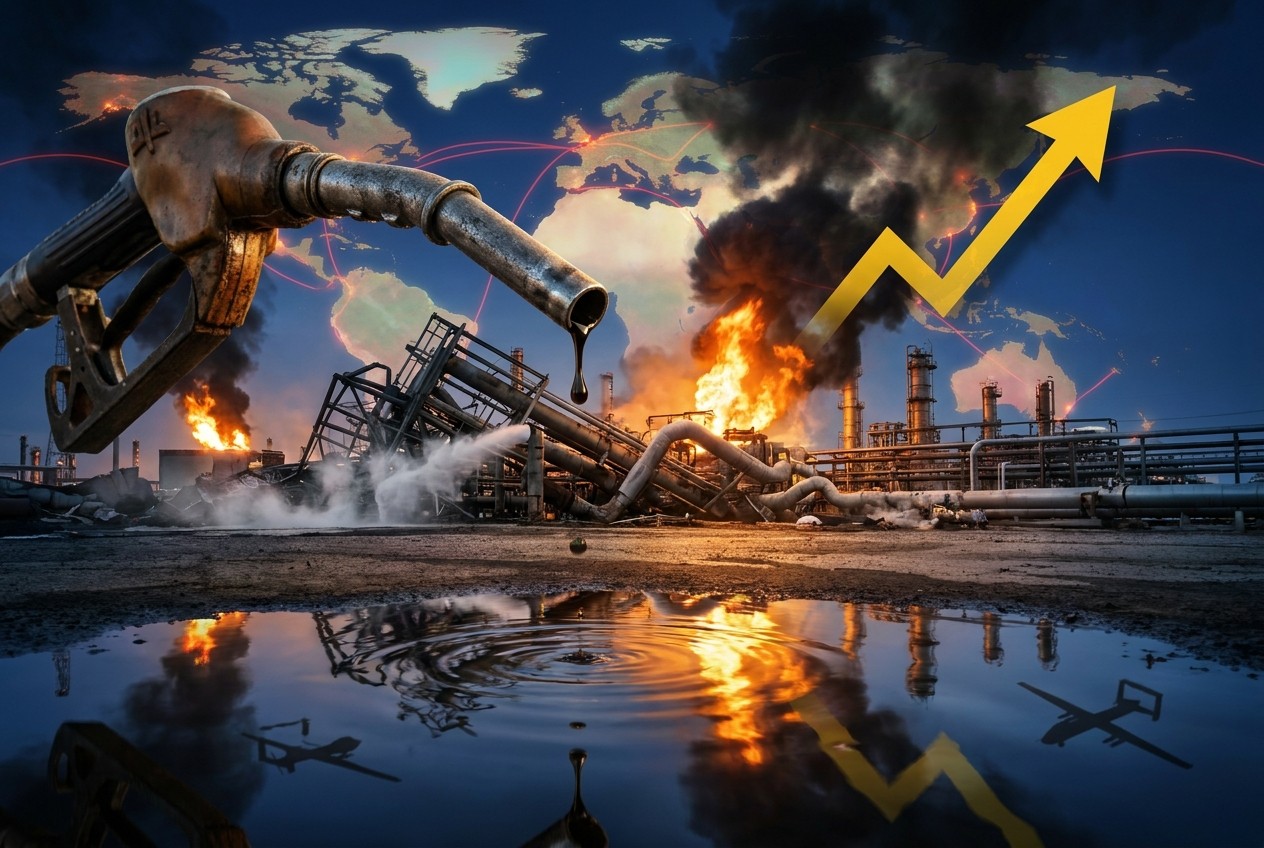
President Donald Trump posted Monday on Truth Social that Russia "has unfortunately lost control of its Diesel Oil Industry due to its War with Ukraine," according to the post. Trump said a large number of Russian diesel refineries have been blown up and are "at least temporarily, out of commission," the post stated. He called the war "ridiculous and never ending" and said it must be ended, adding that 25,000 people, mostly soldiers, are being killed each month, according to the post [1][2].
Ukrainian President Volodymyr Zelensky responded on X on Monday, writing that "indeed, this Russian war against Ukraine and against common sense must be ended." Zelensky said Ukraine has sought peace "from the very first minute" and has made dozens of diplomatic proposals to end the war with dignity, guarantee security, and prevent new Russian invasions, according to the statement [3][2].
The exchange came ahead of a scheduled Tuesday meeting between Trump and Zelensky on the sidelines of the UN General Assembly in New York City, following Ukraine's massive weekend drone attack on Russia, which included strikes on Russian oil refineries [3].
Diesel Prices Rise After Strikes on Russian Refineries
Average U.S. diesel prices hit a record-setting $6.51 per gallon as of Monday morning, up from $6.23 at the same time last week, according to AAA data. The average price of regular gasoline stood at $4.48 per gallon, up from $4.31 one week earlier, according to the same data [1][4]. Diesel prices have risen more than 80 cents over the past month and were nearly $2.54 higher than a year earlier, according to AAA figures published Sept. 14 [5].
Energy Secretary Chris Wright told CNN's "State of the Union" on Sept. 6 that "the single biggest one there has been the Ukrainian destruction of Russian refineries." Wright said Russia was a meaningful diesel exporter for decades, has now banned diesel exports, and is importing gasoline, where it had historically been a net exporter. "So, the refining market has become very tight," he said [1].
The refining crunch extended beyond Russia. Russia may extend diesel export restrictions through October, and UBS analysts warned that the global diesel squeeze could worsen as two major suppliers potentially pull barrels from an already strained petroleum products market, according to a ZeroHedge report [4]. Sen. Chuck Grassley (R-Iowa) urged Trump on Monday to impose an embargo on diesel exports, writing on X, "Why doesn't [President] Trump put an embargo on diesel exports like presidents in the '70s put embargoes on [agriculture] products [because] farmers are getting killed with these diesel prices," according to the report [6].
The diesel cost surge marked an acceleration of a trend that long predated the current refinery campaign. Data from the Department of Energy's Energy Information Administration showed diesel prices surged 42.8 percent while gasoline prices increased 25 percent from the start of 2022, according to a NaturalNews.com report published May 1, 2022 [7]. The U.S. also faces limited room to lean on its own reserves, with the Strategic Petroleum Reserve being drawn down at a rapid pace amid a shortage of diesel fuel, according to Dmitry Orlov's analysis in "The new art of war" [8].
Trump Previously Urged Zelensky to Stop Hitting Diesel Targets
Trump said on Sept. 13 that Zelensky "has to stop knocking out diesel fuel in Russia," adding, "There are plenty of other targets. Don't hit diesel fuel. That's hurting the world." Trump made the remarks to reporters during a visit to Ireland, according to reports [9][10][11].
Trump wrote on Truth Social on Sept. 14 that Ukraine and Russia had agreed to stop attacks on each other's energy infrastructure. "Ukraine has agreed not to hit Russian Energy targets. Russia has agreed to do, likewise! The World's Diesel price rise is mostly caused by the Russia/Ukraine War, not Iran," he wrote [12][13][14]. A later statement from Zelensky suggested that no such deal had actually been reached at that point, and both sides continued striking energy sites the following day [15][16].
A White House official said Trump "remains optimistic" about the chances of Russia and Ukraine arriving at a peace deal. "The United States continues to play a constructive role in speaking to both sides in working towards bringing the war to an end," the official said, adding, "We are the only country in the world that can play that role" [2]. U.S. envoys Steve Witkoff and Jared Kushner had traveled to Moscow and Kyiv earlier in September carrying a proposal to end the war, after months of stalled negotiations, according to reports [17][18].
Recent Drone Attacks and Diplomatic Meeting at United Nations
Over the weekend, Ukraine launched more than 1,000 drones at Russia, including hundreds aimed at Moscow, as voters turned out for the last day of a parliamentary election, according to reports. Russia's Defense Ministry said its forces intercepted 1,110 Ukrainian drones over about 20 Russian regions and the Black Sea, while Moscow Mayor Sergey Sobyanin put the number of launched drones higher, saying 1,600 were launched into Russia, including 450 headed for Moscow [3][19][20].
Russia responded by launching drones at Zaporizhzhia, hitting apartment blocks, a university and a shopping mall, and wounding five people, Zelensky said on social media Monday. A Russian drone struck a home in northeastern Ukraine's Kharkiv region on Monday, killing a 45-year-old woman and seriously injuring her 13-year-old son, according to Ukraine's State Emergency Service [2].
Trump and Zelensky are expected to meet on the sidelines of the UN General Assembly Tuesday, after Zelensky said there is "diplomatic momentum" and that the peace track is Ukraine's number one priority, according to his posts and reports [3][21]. The fighting itself has spread far beyond the front lines: on Sept. 9, Ukrainian drones struck two gas processing plants in the Yamalo-Nenets region of the Russian Arctic, located about 1,900 miles from the Ukrainian border and the deepest strike of the war, according to a Responsible Statecraft report [22][23].
Outlook
Trump has repeatedly called for Ukraine to stop long-range drone attacks on Russian oil facilities to allow the energy market to stabilize [24][1]. High diesel and gasoline prices have given Trump political challenges heading into the midterm elections, according to the report [2]. The stakes extend beyond prices: expensive diesel is a direct hit to the economy, and running out of the fuel at the pump would damage the flow of goods far more severely, according to the Ron Paul Institute [25].
Beyond the immediate strikes, the confrontation has drawn in the broader alliance structure. NATO fighter jets shot down an armed drone over Lithuanian airspace on the night of Sept. 15 after it entered from Belarus, the first such intercept in Lithuania since the war began [26]. Poland's prime minister, Donald Tusk, warned that Moscow may test the alliance with "hybrid" attacks meant to be dismissed as accidents, according to reports [27].
Representatives for Zelensky's office did not respond to requests for comment, the report stated [2]. Whether the announced energy restraint holds, the deeper pattern is one of energy, currency, and military levers being yanked simultaneously, a dynamic analysts have described as a Western bet that Russia can be pressed economically — a wager that has yet to produce the expected capitulation [28][29][8].
References
- NaturalNews.com. "No signs of slowing down: Diesel price jumps 42.8% from the beginning of the year, way ahead of gasoline's 25% increase." NaturalNews.com. May 01, 2022.
- Dmitry Orlov. "The new art of war".
- Antiwar.com. "Trump To Meet Zelensky on Tuesday Following Massive Ukrainian Drone Attack on Russia". September 21, 2026.
- ZeroHedge. "Trump Pushes Zelensky To Halt Russia Refinery Attacks Amid High Diesel". September 21, 2026.
- ZeroHedge. "Trump Declares Ukraine, Russia Have Agreed To Halt All Attacks On Energy Targets". September 14, 2026.
- Antiwar.com. "Ukraine Launches Over 1,000 Drones Into Russia as Part of 'Largest Attack' on Moscow". September 21, 2026.
- Antiwar.com. "Trump Claims Ukraine and Russia Agreed To Halt Attacks on Each Other's Energy Infrastructure". September 14, 2026.
- The Epoch Times. "Trump Says Russia 'Lost Control' Over Oil Industry Amid Ukraine Strikes". September 21, 2026.
- Antiwar.com. "NATO Fighter Jets Shoot Down Drone In Lithuanian Airspace". September 16, 2026.
- 100PercentFedUp.com. "President Trump Sets High-Stakes Zelensky Meeting as Massive Drone War Escalates". September 20, 2026.
- Responsible Statecraft. "Ukraine war spreads to Arctic as nuclear tensions escalate". September 15, 2026.
- Antiwar.com. "Trump Says Ukraine Should Stop Targeting Russia's 'Diesel Fuel' as the Two Sides Trade Attacks". September 13, 2026.
- The Epoch Times. "GOP Senator Urges Trump to Place Embargo on Diesel Exports Due to Prices". September 21, 2026.
- ZeroHedge. "Diesel Hits New Record Above $6.50 As Export Ban Fears Mount, Gasoline Squeeze Looms". September 21, 2026.
- The Epoch Times. "US Envoys Heading to Moscow With Proposal to End Ukraine War". September 4, 2026.
- 100PercentFedUp.com. "Polish PM Sounds Alarm Over Putin's Alleged Plan To Test NATO With 'Accidental' Strikes". September 21, 2026.
- The Epoch Times. "Trump Says Russia, Ukraine Agreed to Stop Energy Target Attacks". September 14, 2026.
- NTD. "Trump Calls on Ukraine to Halt Strikes on Russian Diesel". September 13, 2026.
- Antiwar.com. "Ukraine and Russia Continue Attacks on Energy Sites Despite Trump Claiming They Agreed To Stop". September 15, 2026.
- The War Zone. "Ukraine Carried Out Its Deepest Drone Strike On Russia Ever". September 9, 2026.
- Just the News. "Trump calls for end to Ukraine war as Russian refineries face attacks". September 21, 2026.
- Just the News. "Trump urges Zelensky to 'stop knocking out diesel fuel in Russia'". September 13, 2026.
- RT. "Ukraine agrees not to strike Russian energy targets – Trump". September 14, 2026.
- Ron Paul Institute. "The Crippling Effects of Unnecessary War". September 14, 2026.
- NaturalNews.com. "Moscow Reports Largest Ukrainian Drone Attack; Two Dead During Russian Election". September 21, 2026.
- The Epoch Times. "Diesel Hits New High of $6.23 as Trump Urges Ukraine to Halt Russian Refinery Attacks". September 14, 2026.
- BBC. "Trump envoys arrive in Moscow ahead of Ukraine talks, reports say". September 5, 2026.
- Mike Adams. "Health Ranger Report - Engineered collapse will not be controllable". Brighteon.com. April 24, 2024.
- Mike Adams. "Brighteon Broadcast News". Brighteon.com.








Please contact us for more information.