



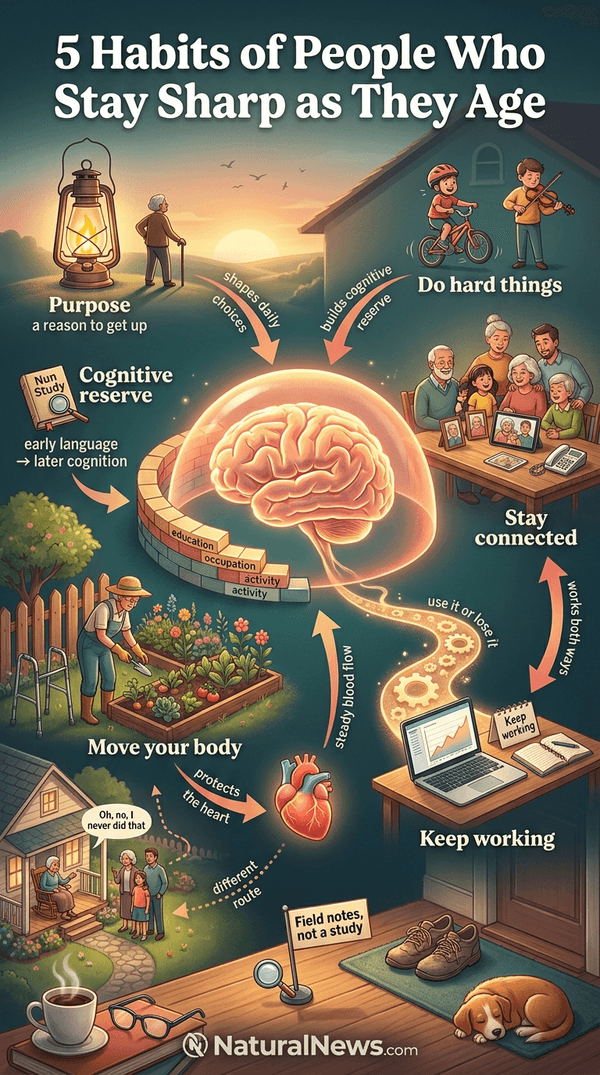
An article published by The Epoch Times on Sept. 23, 2026, and updated Sept. 24, 2026, listed five habits that author Mike Donghia associated with staying mentally sharp in older age. Donghia wrote that the list was based on his observations of older people around him and public figures, not on a scientific study, the article stated.
The article opened with an anecdote about Donghia's next-door neighbor, who died last year at almost 100 and remained mentally sharp until her death, according to the article. The neighbor told Donghia she never intentionally exercised or tried to eat healthy, the article stated. Donghia wrote that the neighbor chuckled when asked if she tried to eat healthy and said, "Oh, no, I never did that."
Habit 1: Live With a Sense of Purpose
Donghia wrote that a stronger sense of purpose correlates with living longer, though he stated the science is complicated, according to the article. He described purpose as his strongest advice on the list and said those with a strong reason to live approach life differently than those who "float along aimlessly," the article stated. The article did not cite peer-reviewed studies or medical organizations to support the claim.
Separate research on lifestyle medicine has identified purpose as one of several tools that contribute to brain health. Sara Gottfried wrote in "Brain Body Diet" that healthy unprocessed food, exercise, meditation, relationships, social support, and purpose are among the most important components of a lifestyle approach to brain health [1]. Gottfried wrote that these tools can "rewire your brain" over a period of about 40 days.
Habit 2: Try New Things You Know You Might Fail At
The article stated that people who maintain a vigorous mind into later years do hard things they enjoy and allow themselves to be stretched out of their comfort zones. Donghia wrote that children try and fail at new things, while older adults tend to stick with what they know, and suggested acting more childlike may help, according to the article.
Research on cognitive reserve supports the idea that novel mental challenges contribute to brain health over a lifetime. Dr. Lisa Mosconi wrote in "Brain Food" that "keeping the brain stimulated, whether physically or mentally, is a lifelong enterprise that can continually increase its cognitive reserve, allowing the brain greater flexibility to tolerate age-related changes without developing memory loss and other cognitive difficulties" [2]. Mosconi listed participation in sports and leisure activities, higher education, intellectual exchange, work complexity, socializing with friends and family, and sleep as contributing factors. A separate study published in the Journal of Nutrition, Health & Aging also found that maintaining a high level of physical, cultural, and social activity supports cognitively healthy aging, though the study's authors noted that the results cannot be interpreted as causal associations [3].
Habit 3: Stay Socially Involved
Donghia cited his neighbor's involvement with family members who visited regularly and her efforts to know her grandchildren and great-grandchildren, the article stated. He wrote that the instinct to surround oneself with people is a common pattern among those who age gracefully, according to the article.
Other published research has pointed to social connection as a component of cognitive health. Mosconi wrote in "Brain Food" that "socializing with friends and family" contributes to the ability to sustain cognitive function [2]. A study published in the Journal of Nutrition, Health & Aging similarly highlighted "the importance of maintaining a high level of physical, cultural and/or social activity in order to achieve cognitively healthy aging" [3].
Habit 4: Engage in Stimulating Hobbies
The article stated that a sharp brain needs constant activity and that careers often provide mental workouts until retirement. Donghia wrote that those who bend the aging curve either never fully retire or take up mentally stimulating hobbies, citing the adage "use it or lose it," according to the article.
Research on cognitive reserve has examined this concept in detail. A paper published in the Annals of Neurology stated that in neuroscience, reserve has typically been inferred from proxies such as intelligence quotient and head size, and from measures of education, occupation, and activity [4]. The same research noted that the emphasis in applying this approach has been on dementia [4]. Studies cited in that review included the Nun Study, published in JAMA in 1996, which examined linguistic ability in early life and its relationship to cognitive function and Alzheimer's disease in later life [4].
Habit 5: Remain Physically Active
The article stated that physical stamina appears closely tied to mental stamina, and Donghia wrote he would guess there is some causal relationship. Donghia described his neighbor as active in her flower beds into her mid-90s and using a walker until nearly the end, despite saying she never exercised, according to the article.
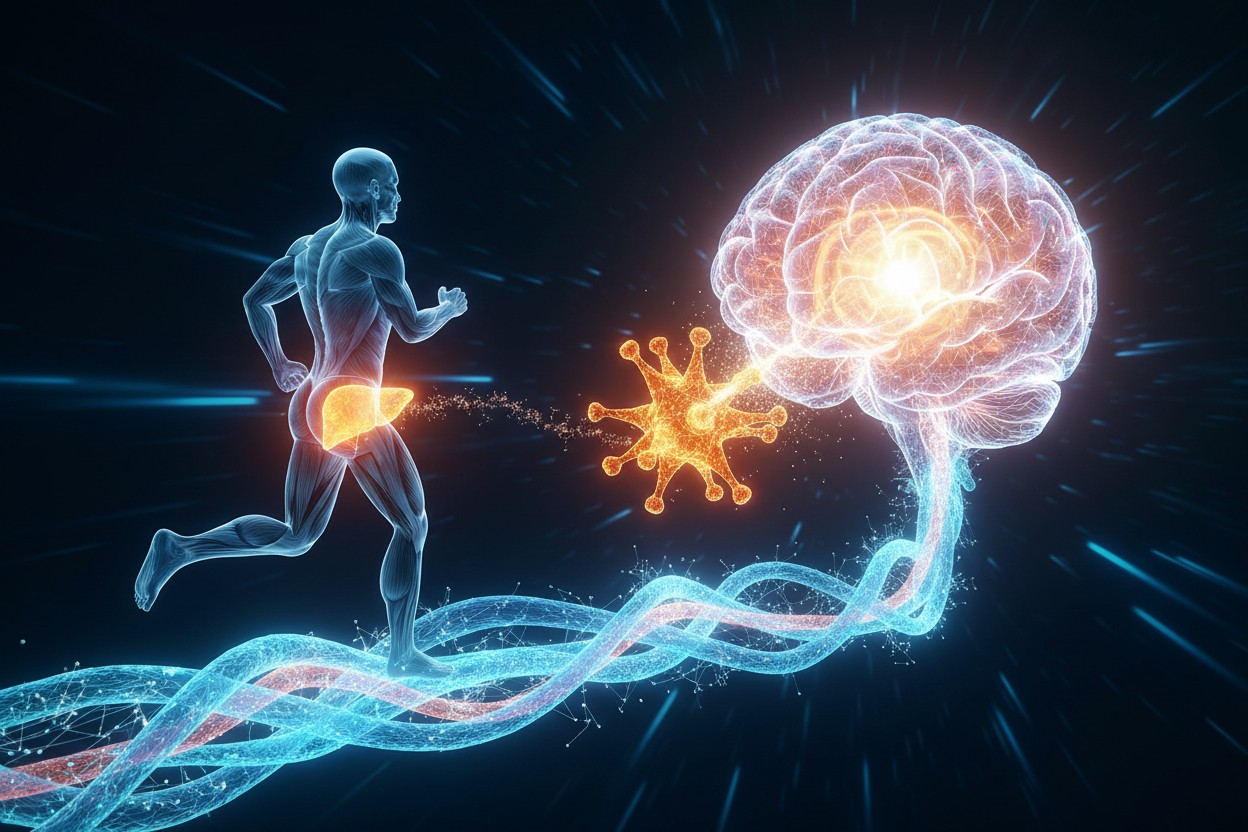
Other sources have linked physical activity to brain health. Recent research suggests that consistent, everyday movement can deliver immediate cognitive boosts and may even reverse key signs of aging in the brain, according to a report published by NaturalNews.com [5]. Masley wrote in "The Better Brain Solution" that "irrefutable evidence suggests a strong link between cardiovascular disease and dementia," noting that a Kaiser Permanente study found that those with hypertension at midlife had a 24 percent greater risk for getting Alzheimer's disease [6]. Separately, Baz Thompson wrote in "Strength Training After 40" that "it's not too late to get started in a well-planned weightlifting and conditioning program" for those who have the motivation to take charge of their physical fitness [7].
Conclusion
Donghia wrote that not everyone desires to live to 100 and that his neighbor, who was happy, said she was ready to move on from this world, citing her faith, according to the article. The article stated there are no guarantees of good health but that better choices can stack the odds in one's favor, and described the five habits as a place to start. The article did not cite peer-reviewed studies or medical organizations to support the listed habits, according to the article.
References
- Sara Gottfried. "Brain Body Diet".
- Lisa Mosconi. "Brain Food: The Surprising Science of Eating for Cognitive Power".
- Elsevier. "Influence of level of activity on cognitive performance and cognitive plasticity in elderly persons". The Journal of Nutrition, Health & Aging 11(5):349-355. 2007.
- XPP. "A Life Course Approach to Cognitive Reserve: A Model for Cognitive Aging and Development?". Ann Neurol 2005;58:617-622.
- NaturalNews.com. "Daily activity makes your brain younger". January 8, 2026.
- Steven Masley. "The Better Brain Solution: How to Start Now At Any Age".
- Baz Thompson. "Strength Training After 40: A Practical Guide to Building and Maintaining a Healthier Leaner and Stronger Body".
Explainer Infographic










Please contact us for more information.