



A six-month randomized controlled trial found no significant differences in sweet taste preference or health markers among participants assigned to high-, low-, or average-sweetness diets, according to a study published in the American Journal of Clinical Nutrition.
The trial was conducted by researchers at Wageningen University and Research in the Netherlands and Bournemouth University in the United Kingdom. Researchers said the results raise questions about public health advice that encourages reducing sweet-tasting foods to combat obesity.
"People have a natural love of sweet taste which has led many organizations, including the World Health Organization, to offer dietary advice on reducing the amount of sweetness in our diets altogether," said Katherine Appleton, professor of psychology at Bournemouth University and corresponding author for the study. "However, our results do not support this advice, which does not consider whether the sweet taste comes from sugar, low-calorie sweeteners, or natural sources."
Study Design and Participants
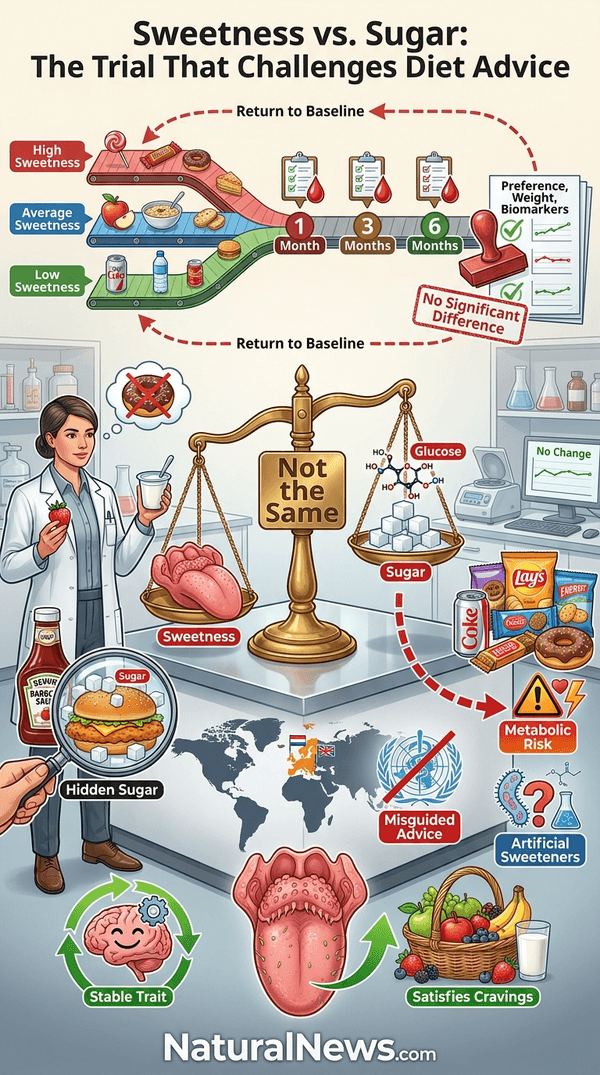
Researchers recruited 180 participants and divided them into three groups. One group ate a diet high in sweet-tasting food, another ate a diet low in sweet-tasting food, and a third followed a diet with an average level of sweetness. Sweet taste in the foods came from various sources, including sugar, naturally occurring sweetness, and low-calorie sweeteners.
Participants were assessed at one month, three months, and six months for changes in liking for sweet foods and perception of sweetness. Researchers also tracked body weight and collected blood and urine samples to look for changes in markers associated with diabetes risk and cardiovascular health.
The study noted that participants tended to return to their previous levels of sweet food consumption after the trial ended. According to the report, this drift back toward baseline eating patterns was observed across all three groups.
Trial Results Show No Significant Differences
At the end of the six-month trial, researchers found no significant differences among the three groups in any of the measures examined. People who ate more sweet-tasting foods did not develop a stronger preference for sweetness, while those who ate fewer sweet foods did not lose their taste for it.
No meaningful differences were observed in body weight or in blood and urine markers linked to diabetes and heart disease risk. Such markers can help researchers assess whether a dietary change is affecting processes linked to blood sugar control, metabolism, or heart health, according to the study.
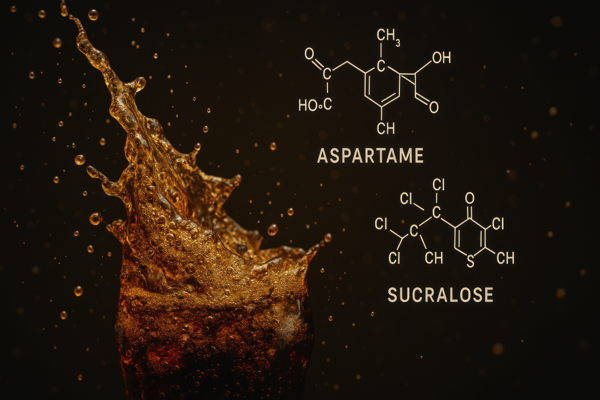
"Our results do not support this advice," Appleton said of guidance to reduce overall sweetness in the diet. She noted that the study does not consider the source of sweet taste, meaning a food can taste sweet because it contains sugar, a low-calorie sweetener, or naturally occurring sugars. Artificial sweeteners have been associated with metabolic dysfunction, changes to gut microbiota, and glucose intolerance in prior research [1], and separate laboratory work has suggested that erythritol, a zero-calorie sweetener, may damage cells that protect the brain, potentially raising stroke risk [2].
Researchers Question Advice to Reduce Sweet Foods
Based on the results, the research team said public health organizations may need to reconsider recommendations that broadly target sweet-tasting foods as part of efforts to address overweight and obesity. Researchers emphasized that sweetness and sugar are not the same thing. A food can taste sweet from sugar, low-calorie sweeteners, or natural sources, while some non-sweet foods contain substantial sugar.
"It's not about eating less sweet food to reduce obesity levels," Appleton said. "The health concerns relate to sugar consumption. Some fast-food items may not taste sweet but can contain high levels of sugar. Similarly, many naturally sweet products such as fresh fruit and dairy products can have health benefits. Public advice therefore needs to concentrate on how people can reduce the amount of sugar and energy-dense foods they consume."
Energy-dense foods contain a relatively large number of calories in a small amount of food, and many highly processed foods fall into this category because they can be rich in added sugars, fats, or both. The researchers concluded that public advice needs to concentrate on how people can reduce the amount of sugar and energy-dense foods they consume. Public health researchers have documented that many foods marketed as healthy contain more sugar than a doughnut, and that some foods that do not taste especially sweet still carry substantial sugar loads [3]. Nutrition scientists also have reported that naturally sweet, whole foods such as fruit can satisfy a sweet tooth while delivering fiber and phytonutrients [4], and that plant-derived sweeteners like monk fruit and stevia provide sweetness with minimal impact on blood glucose [5].
Conclusion
The six-month trial suggests that reducing sweet taste exposure alone may not change preferences or improve health measures over six months, according to the researchers. Participants returned to their previous eating habits after the trial ended, the report stated.
The findings were published in the American Journal of Clinical Nutrition, which is also the publication cited by researchers who analyzed the effects of sucrose and other sweeteners on nutrition and behavior [6]. The authors concluded that dietary guidance may be more useful when it focuses on the nutritional quality of foods, particularly sugar and calorie content, rather than whether a food tastes sweet.
A growing body of evidence suggests that other factors, including sleep, may shape sweet cravings [7], and that taste preferences can adapt over time based on dietary patterns [8].
References
- Children's Health Defense. "Artificial Sweeteners Linked to Obesity, Diabetes". Children's Health Defense.
- NaturalNews.com. "The bitter truth: Study suggests popular sweetener may harm brain's defenses, raising stroke risk". NaturalNews.com. July 27, 2026.
- Myrna Chandler Goldstein. "The 50 healthiest habits and lifestyle changes".
- NaturalNews.com. "Nature's candy: How whole fruits offer a sweet alternative with measurable metabolic benefits". NaturalNews.com. May 19, 2026.
- NaturalNews.com. "The sweet shift: How monk fruit and stevia are redefining healthy sweeteners". NaturalNews.com. February 11, 2026.
- Anthony Sclafani. "Carbohydrate Taste, Appetite, and Obesity: An Overview". Neuroscience & Biobehavioral Reviews. 1987.
- NaturalNews.com. "Craving sugar? It could be caused by lack of sleep". NaturalNews.com. September 9, 2019.NaturalNews.com. "Study: Bitter Morning Foods May Not Directly Curb Sugar Cravings, But Dietary Patterns Influence Taste Perception". NaturalNews.com. August 31, 2026.
Explainer Infographic









Please contact us for more information.