


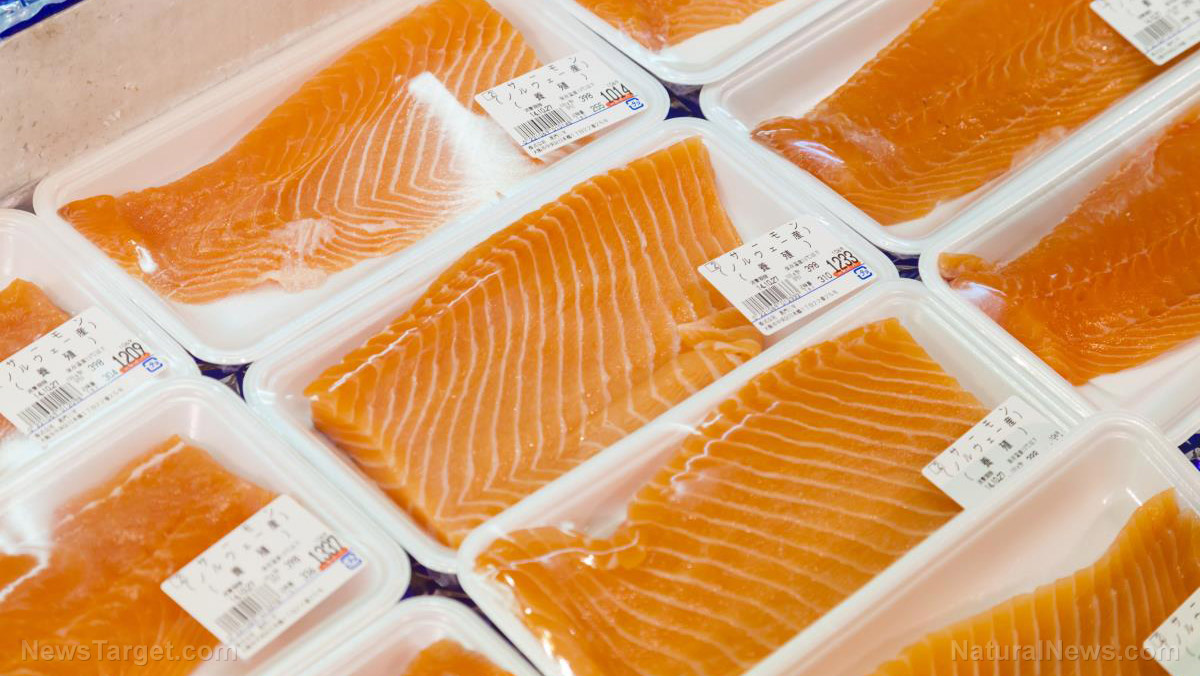
- A class-action lawsuit filed in Illinois alleges Mama Bear salmon's "sustainably farm-raised" label is misleading, citing environmental damage from supplier Australis Seafoods in Chile.
- The complaint claims Australis operates 74% of its net pens in protected Chilean reserves, causing dead zones, whale entanglements and pharmaceutical pollution.
- Plaintiff Cathryn Harris paid a premium for Mama Bear products based on sustainability claims she now believes were false.
- The case highlights greenwashing concerns, as "sustainable" lacks a legal definition in U.S. food labeling.
- Previous lawsuits against Aldi over similar Chilean salmon claims ended with the retailer removing "sustainable" language.
Why the "sustainable" salmon label is under fire
A federal lawsuit filed August 27 in Illinois alleges that Mama Bear frozen salmon products, marketed as "sustainably farm-raised," come from industrial operations causing documented environmental harm in Chilean Patagonia. The putative class action, Harris v. Trapananda Seafarms LLC, accuses the Miami-based U.S. subsidiary of Chilean salmon giant Australis Seafoods of violating consumer protection laws by deceiving shoppers willing to pay more for environmentally responsible food.
The complaint, filed on behalf of consumer Cathryn Harris of Lansing, Illinois, alleges that Mama Bear's parent company operates 74% of its salmon net pens in legally protected national reserves and parks in southern Chile—areas home to blue whales, endangered Chilean dolphins and carbon-storing wetlands.
Greenwashing in the grocery aisle: What the lawsuit alleges
The case points to a broader pattern of "greenwashing," the practice of using false or misleading environmental claims to sell products. According to the complaint, Australis' operations have produced:
- Nutrient pollution severe enough to create oxygen-free "dead zones" causing mass fish die-offs
- Discharge of pharmaceuticals, chemicals, fecal waste, dead fish and trash into surrounding waters
- Overcrowded pens causing stress, disease and welfare problems among farmed salmon
- Entanglements of a humpback whale and an endangered sei whale in net pens
- Disease transmission risks from escaped farmed salmon to wild aquatic species
- At least two worker deaths at Australis facilities in the past year
Kelsey Eberly, senior attorney at FarmSTAND, which represents Harris, described the alleged harms as "mind-blowing" and hidden from the public behind the "sustainable" label.
Why "sustainable" is nearly impossible to verify
The lawsuit highlights a fundamental problem: the term "sustainable" has no legal definition in U.S. food labeling. Unlike "organic," which carries federal certification requirements, "sustainable" and "responsible" remain unregulated marketing terms.
Mama Bear products carry certification from Best Aquaculture Practices, a third-party program. But critics, including FarmSTAND and the Aquaculture Accountability Project, argue such certifications function more as marketing tools than genuine guarantees. One group called BAP certification "largely a box-ticking exercise."
The information gap is particularly acute for farmed salmon, which is produced thousands of miles from U.S. grocery stores. With no way for consumers to independently verify production methods, many rely on branding and certifications that may not reflect actual environmental practices.
A pattern of challenged claims
This is not the industry's first encounter with legal challenges over sustainability claims. In 2021 and 2022, separate lawsuits accused supermarket chain Aldi of marketing farmed Chilean salmon as "Simple. Sustainable. Seafood." Both cases were dismissed after Aldi agreed to remove the "sustainable" claim from its packaging.
The current lawsuit seeks damages for consumers who bought Mama Bear products based on its sustainability claims. It also aims to draw public attention to what Eberly called the need to "look skeptically" at sustainability claims in stores and restaurants.
What this case means for consumers
The lawsuit represents a growing legal challenge to corporate environmental marketing, particularly in the rapidly expanding aquaculture sector. With farmed salmon now supplying the vast majority of salmon consumed worldwide—and Americans eating an average of 19 pounds of seafood annually—the stakes for accurate labeling are high.
As the case proceeds, it underscores the difficulty consumers face in making informed choices about seafood. Without legal definitions for sustainability claims, and with certification systems under scrutiny, shoppers may need to look beyond packaging to understand the true environmental cost of their purchase. The outcome could influence how food companies market environmental benefits—and whether "sustainable" retains any meaning in the grocery aisle.
Sources for this article include:






Please contact us for more information.