



Registered dietitian Molly Knudsen, M.S., RDN, published guidance on Oct. 17, 2026, in mindbodygreen on meeting protein goals when appetite or food preferences change.
Knudsen wrote that protein is essential for maintaining muscle mass, supporting tissue repair and producing enzymes and hormones. According to the article, appetite changes can occur during GLP-1 use or other periods when food does not appeal, prompting a need for adjusted eating strategies [1]. The piece's publication follows growing online discussion about protein intake on reduced appetite.
Why Protein Matters During Weight Loss
Knudsen stated that the goal during weight loss is to lose body fat while preserving lean muscle mass.
Knudsen recommended about 30 or more grams of protein per meal and at least 10 grams per snack, totaling 100 or more grams daily. Research in Advances in Nutrition notes that reduced protein intake is key in the acceleration of muscle loss during disuse, with habitual protein intake in a 75-kg healthy male approximately 60–90 g daily [2].
Separate research highlighted in Advances in Food and Nutrition Research similarly states that preserving energy balance is of key importance during a period of muscle disuse, but overfeeding does not further attenuate muscle atrophy; overfeeding only increases fat deposition [3].
Rethinking Protein Sources When Appetite Is Low
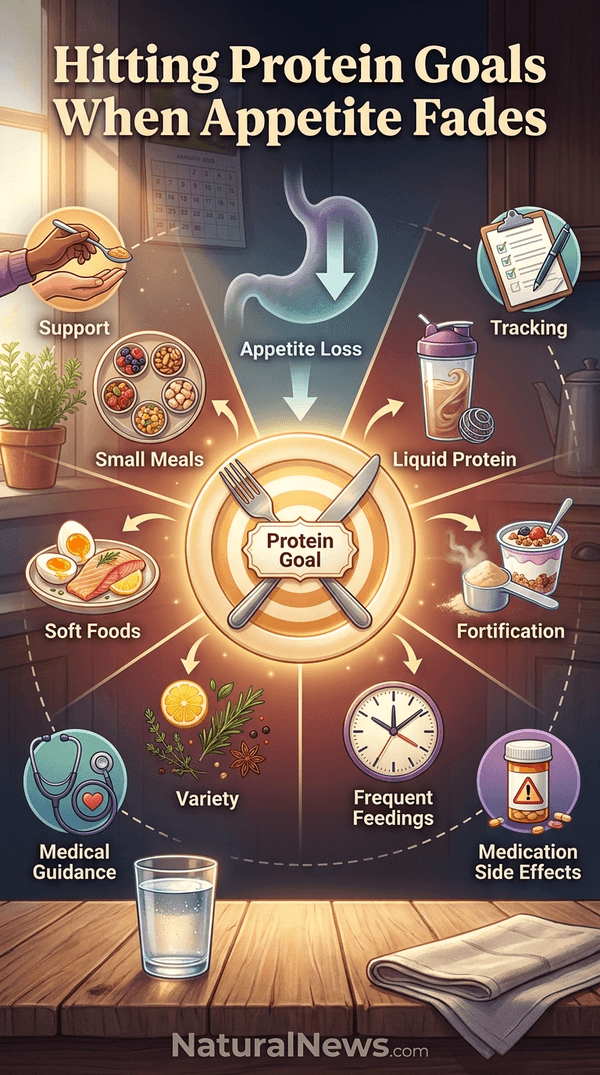
Knudsen wrote that meeting protein goals does not require a large meal or a thick, milkshake-like drink. She wrote: "Getting enough protein doesn't have to mean sitting down to a large meal or sipping on a thick, milkshake-like drink." The article listed Greek yogurt, cottage cheese, and hard-boiled eggs as convenient protein-rich foods.
Knudsen advised avoiding fried proteins because greasy foods can worsen slow digestion. A broader review of protein supplements in older adults, cited in a separate report, noted that drinks containing 30 to 70 grams of whey slow digestion but often fail to meaningfully cut hunger or reduce how much food people eat afterward in healthy adults over 65 [4].
The article's guidance aligns with other published tips for low-appetite eating, which recommend spreading protein intake throughout the day, upgrading to Greek yogurt or cottage cheese, and stirring protein powder into breakfast foods [5].
Clear Whey Protein Option Cited
The mindbodygreen article stated that clear whey protein is made by further filtering whey protein isolate, resulting in a lighter, juice-like drink. Whey protein has the highest biological value of all proteins, according to The Magic of Food. The book states that whey protein is a complete protein in that it contains all essential and nonessential amino acids [6].
One of the best strategies for utilizing whey protein is to take it before or between meals. Studies have shown that consumption of whey protein in small amounts prior to a meal improves after-meal blood sugar control and also leads to greater satiety and appetite control [7].
Takeaway and Considerations
Knudsen wrote that maintaining protein intake during weight loss does not require forcing down a big meal or thick protein shake. She recommended focusing on protein-rich foods and drinks that are enjoyable and pairing adequate protein with regular strength training.
The article stated that people who are pregnant, breastfeeding, or taking medications should consult a doctor before starting a supplement routine.
Other guidance on low-appetite eating emphasizes that while a high-protein diet supports health and fitness goals, missing a daily target occasionally is not a concern for generally healthy individuals. According to Understanding Nutrition, supplement use may help older adults obtain enough of some nutrients, but it may also lead to excessive intakes of others. The book states that food is the best source of nutrients for everybody and that supplements are just that – supplements to foods, not substitutes for them [8].
References
- How To Keep Hitting Your Protein Goals When Your Appetite Disappears. https://www.mindbodygreen.com/articles/how-to-hit-your-protein-goals-when-your-appetite-vanishes
- Advances in Nutrition Fetal Origins Hypothesis and LongTerm Health Outcomes by Unknown
- Advances in Food and Nutrition Research by Unknown
- How To Keep Hitting Your Protein Goals When Appetite Disappears. https://healthguidedaily.com/how-to-keep-hitting-your-protein-goals-when-appetite-disappears/
- 8 Simple Ways to Hit Your Protein Goals on Busy Days. https://www.verywellhealth.com/simple-tricks-to-hit-your-protein-goals-11963189
- The Magic of Food Live Longer and Healthier and Lose Weight Dr Michael T Murray by Unknown
- The Magic of Food by Michael T. Murray
- Understanding Nutrition by Eleanor Noss Whitney
Explainer Infographic









Please contact us for more information.